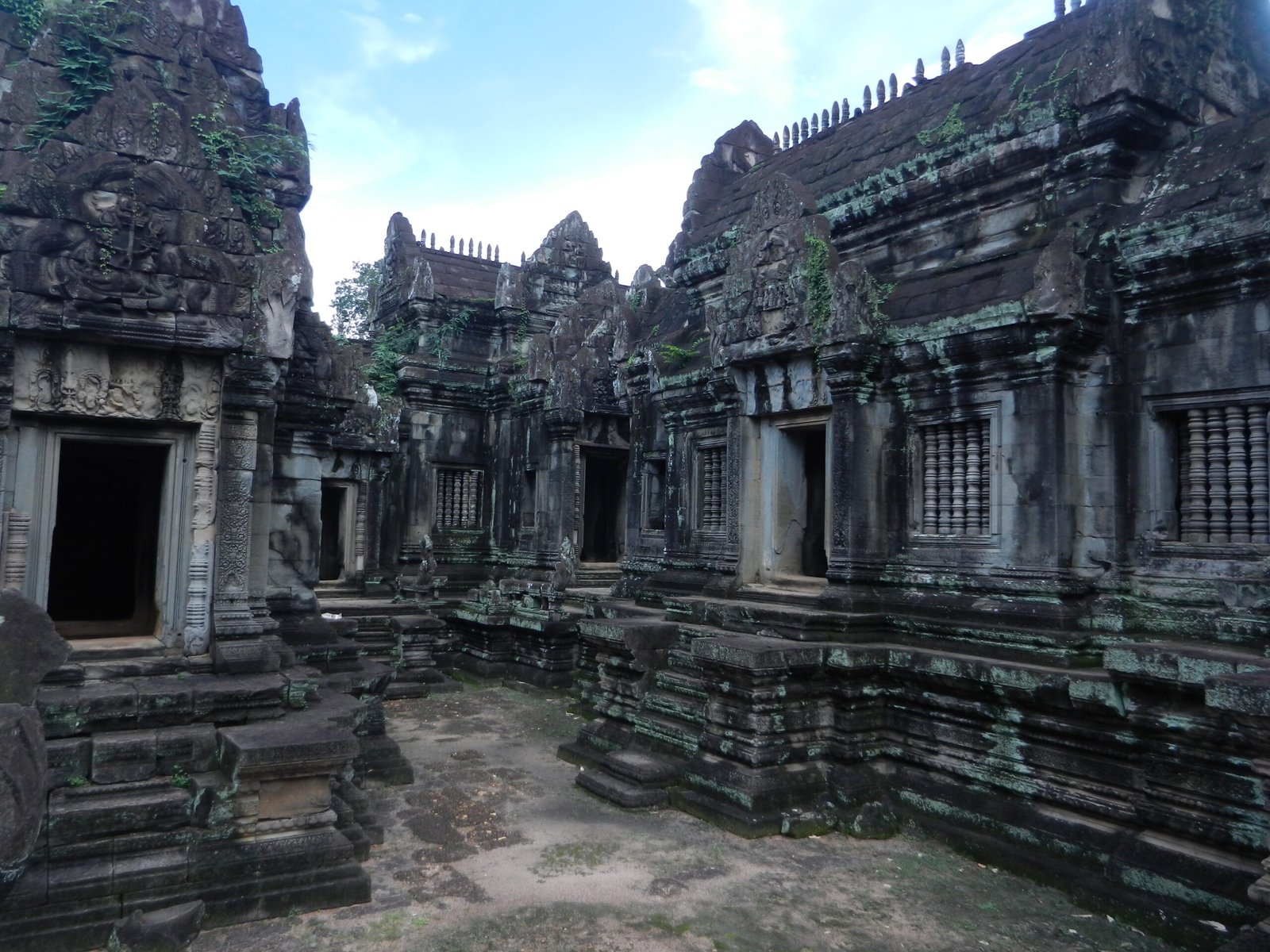
Reflections of Angkor Wat at the Banteay Samre Temple
King Suryavarman II built many other temples besides Angkor Wat in the early 12th century. All these monuments reinforced each other in people’s perceptions of
King Suryavarman II built many other temples besides Angkor Wat in the early 12th century. All these monuments reinforced each other in people’s perceptions of
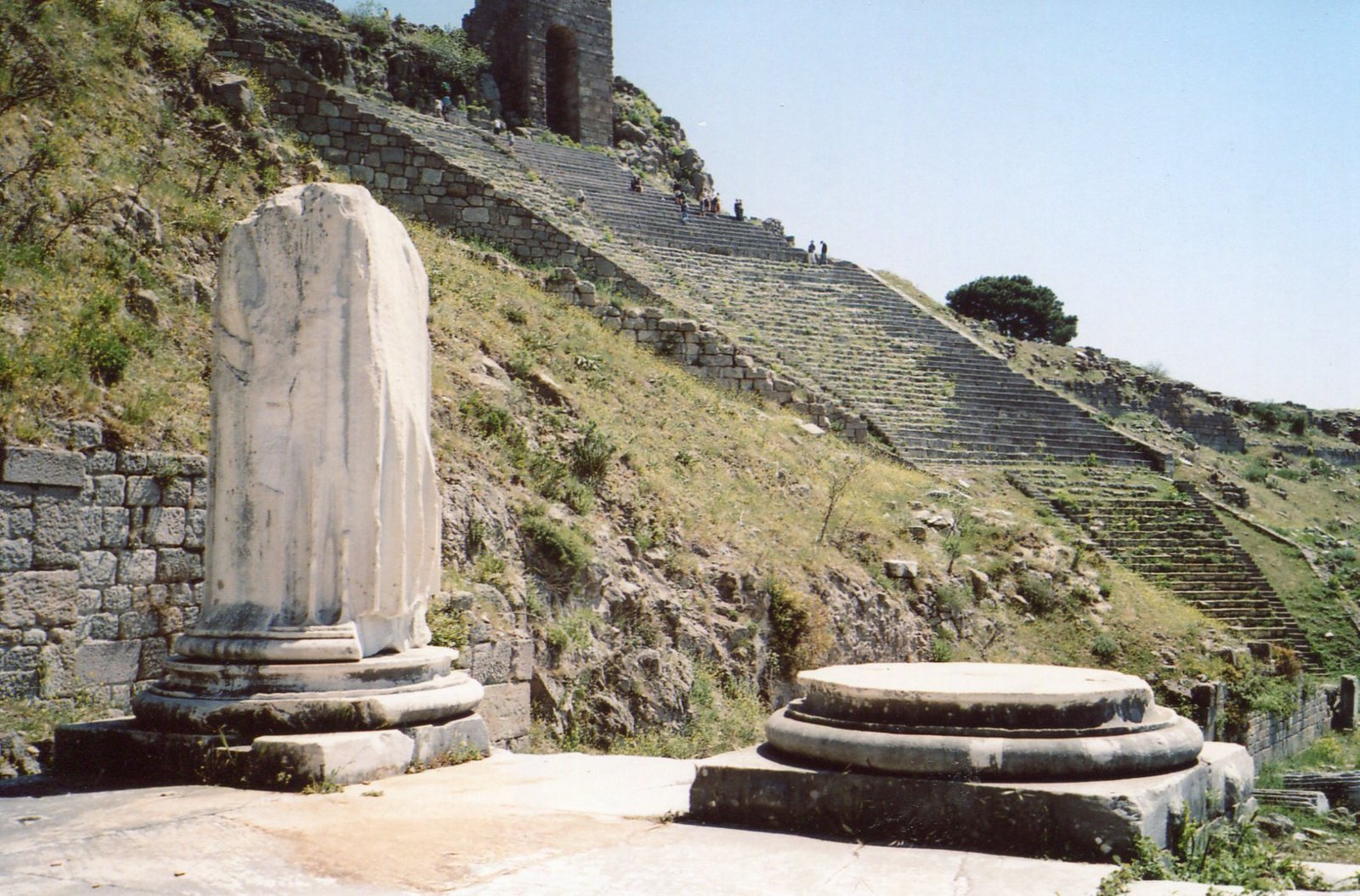
It’s easy to adopt your culture’s assumptions about what a narrative is and not look beyond them. Western assumptions about what narratives are go way
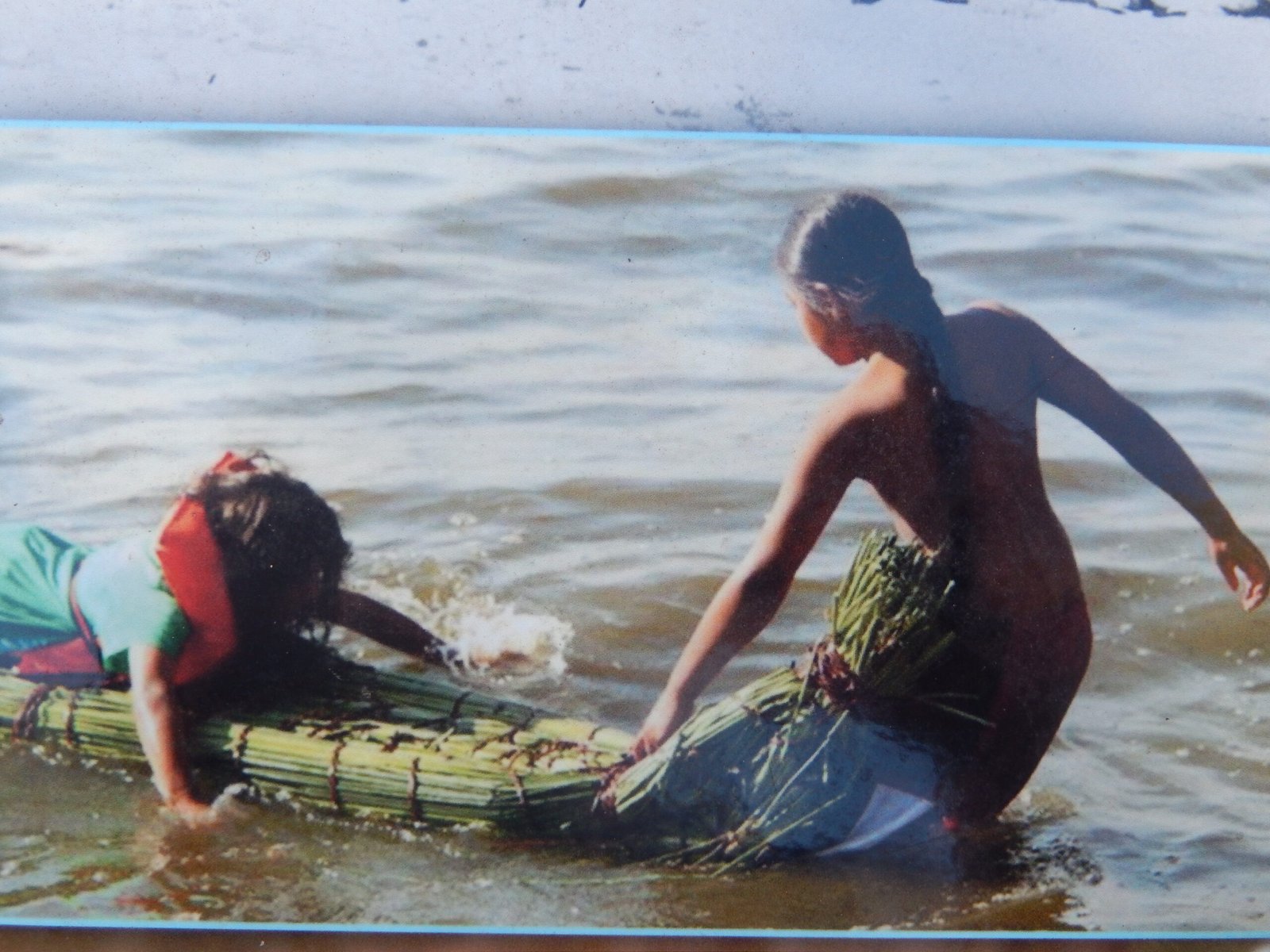
Pomo Indians have lived in Northern California for at least 5,000 years, and like First Californians around the San Francisco Bay Area, they created culturally
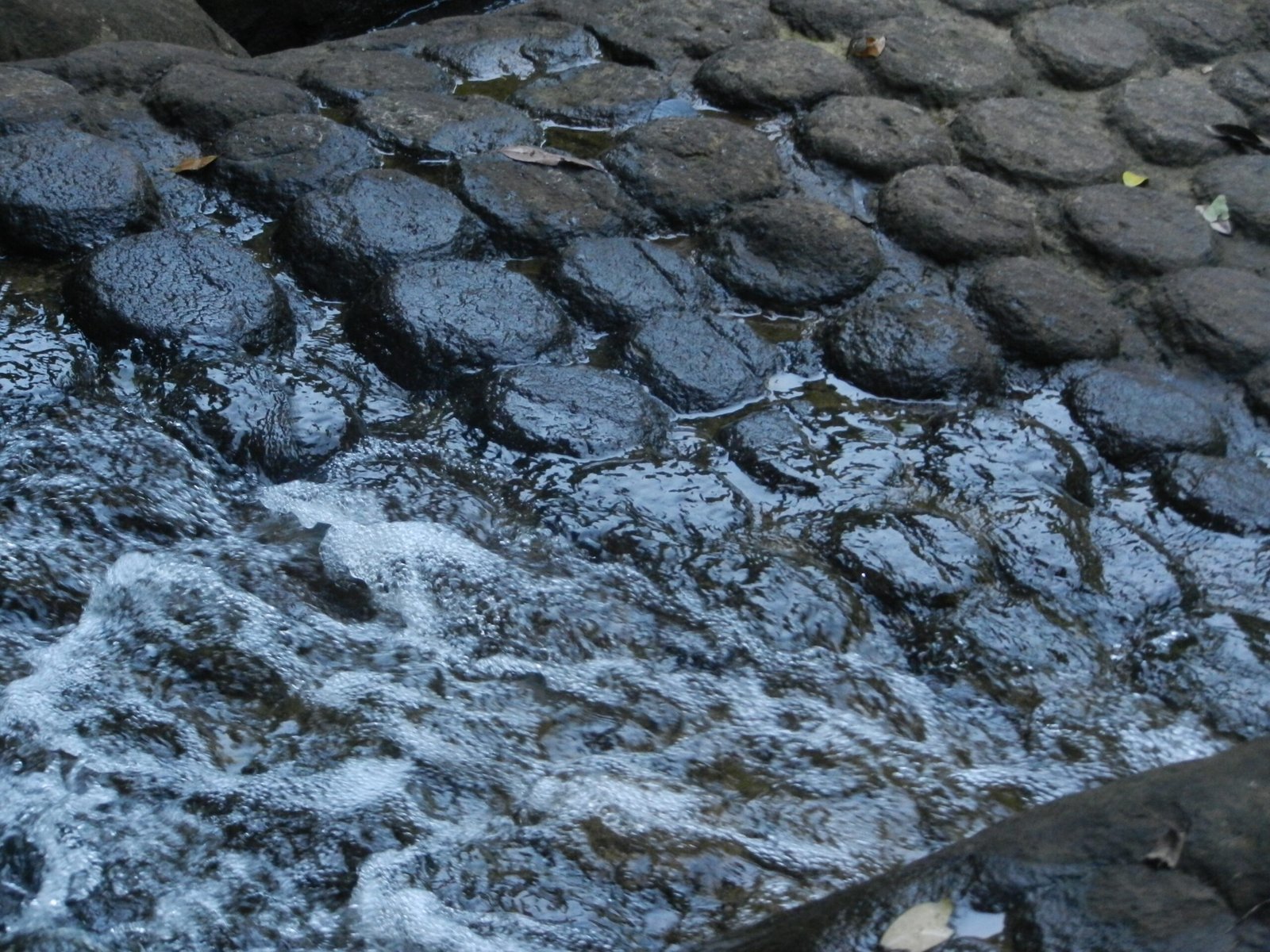
People often appreciate ancient Khmer temples, including Angkor Wat, one by one, but they existed together in a natural environment and a cultural landscape that

“Seeing that in the middle of Jambudvipa, the home of the gods, there rose up a golden mountain. He made a golden mountain in the

The Yellow Emperor’s Inner Canon provided several interesting measurements of the human body. They’re precise and diverse and thus don’t seem to have been derived
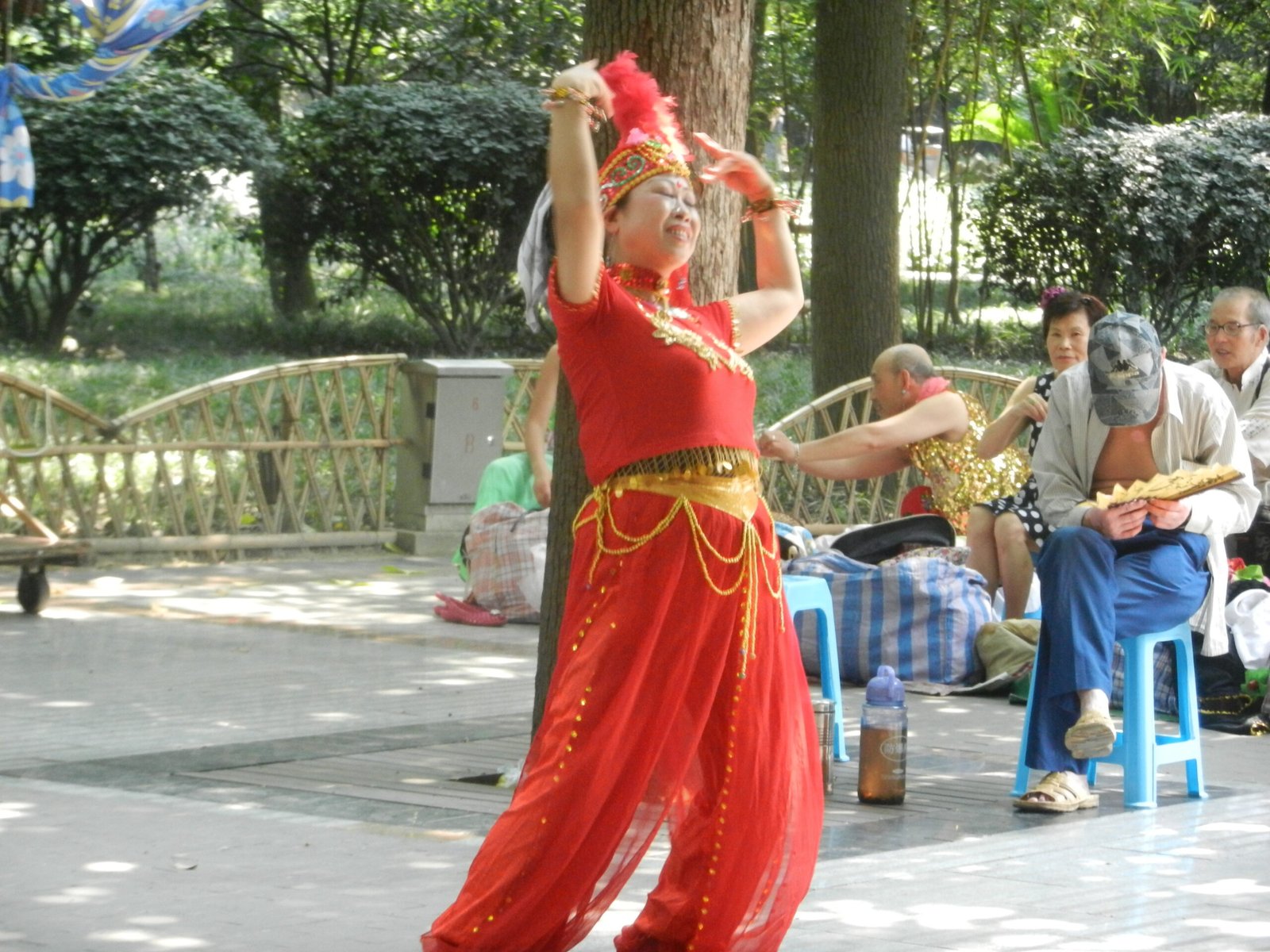
Shigehisa Kuriyama, in The Expressiveness of the Body and the Divergence of Greek and Chinese Medicine, wrote that ancient Greeks appreciated bodies that had a
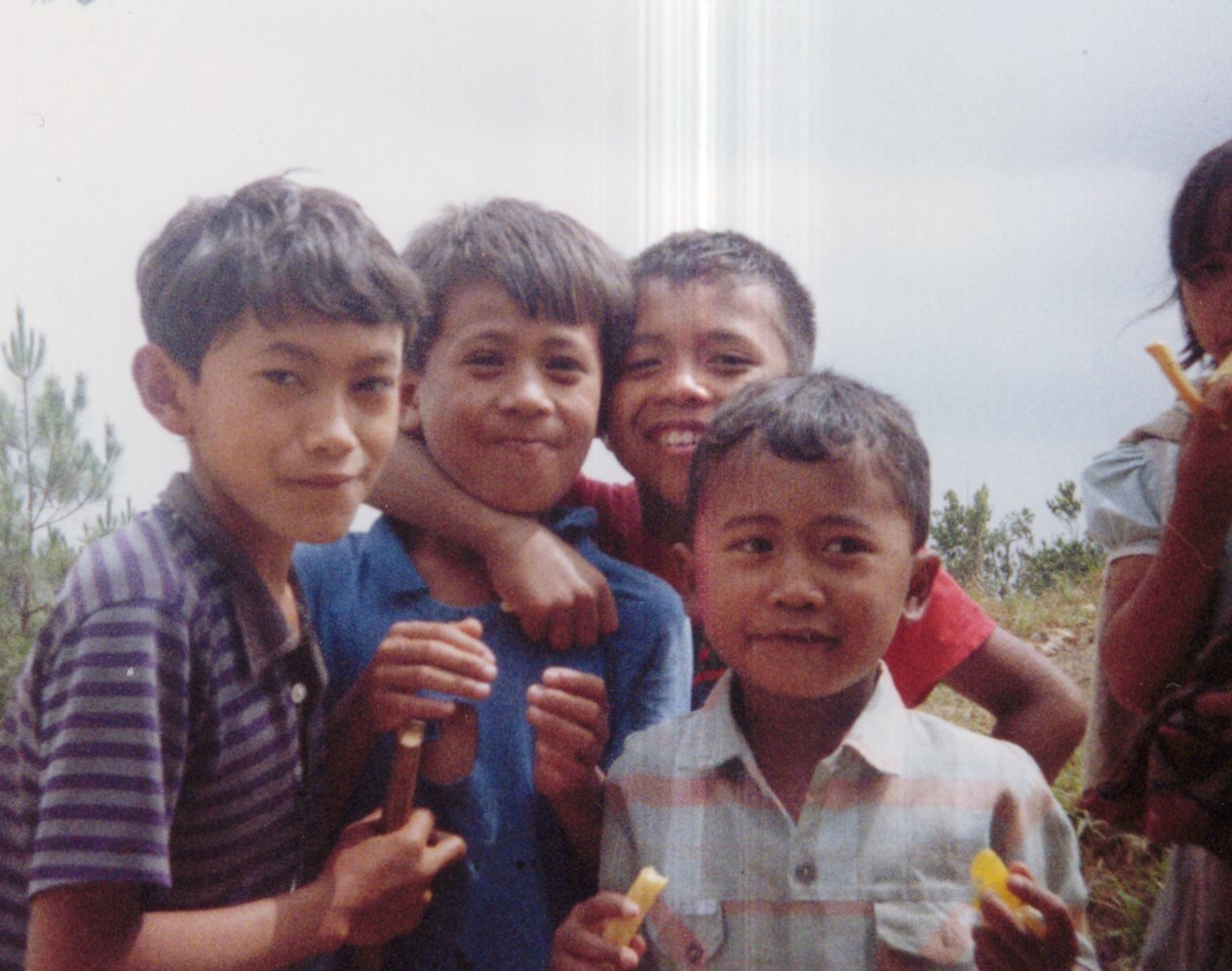
I was in a restaurant in a city in central Java called Yogyakarta and met an American couple who had just arrived in Indonesia. America’s
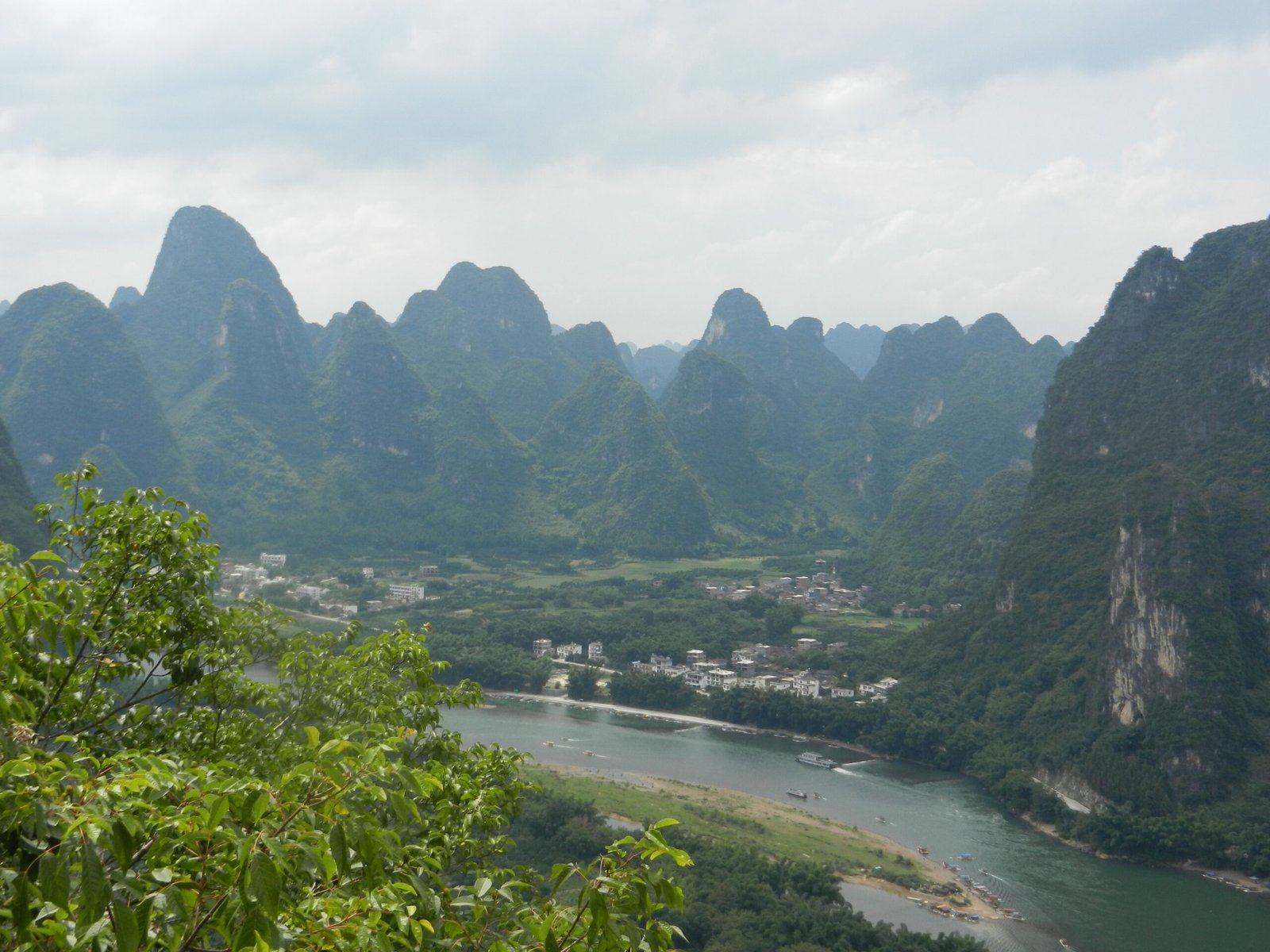
George Lakoff and Mark Johnson, in Philosophy in the Flesh; The Embodied Mind and its Challenge to Western Thought, wrote that many concepts that people