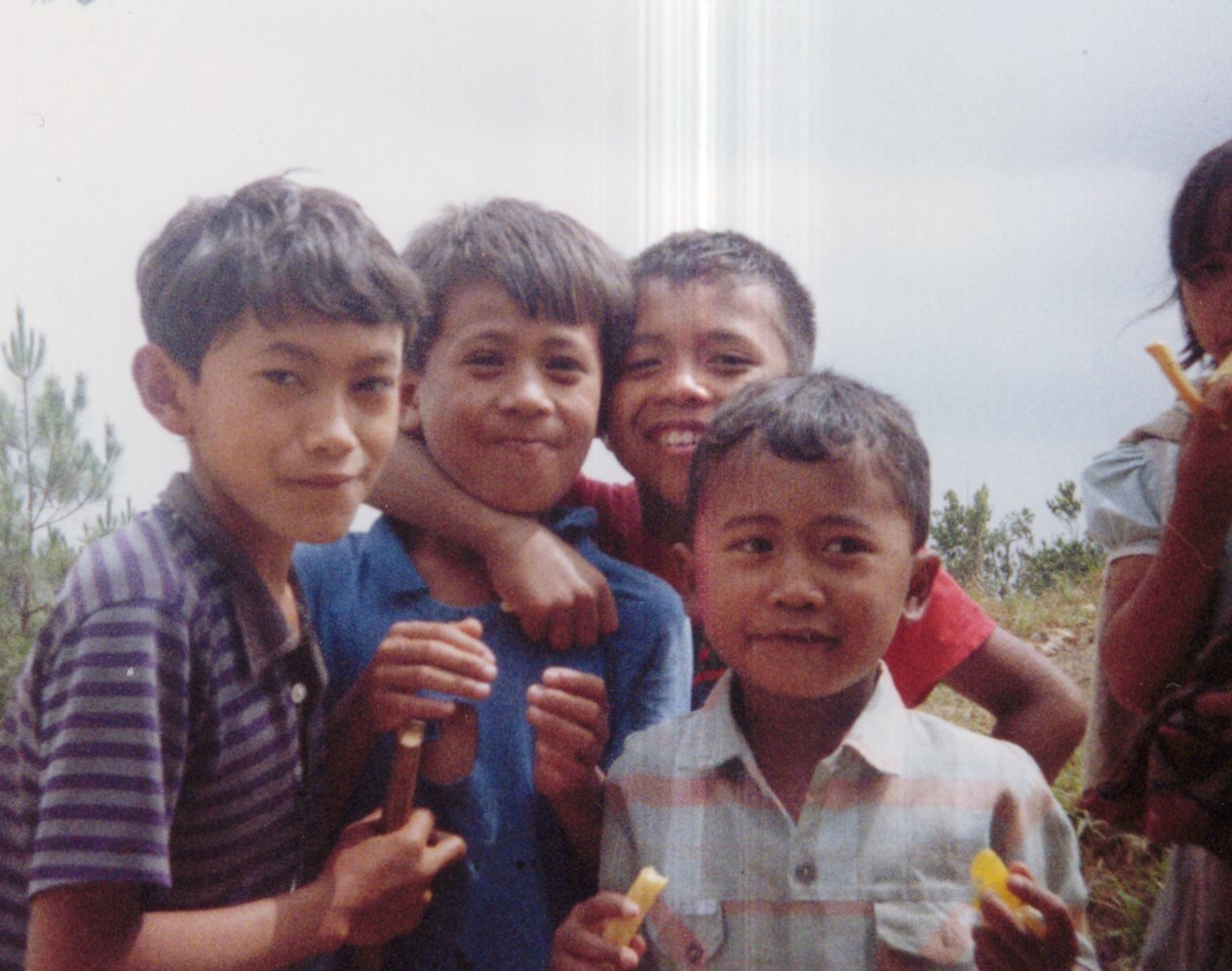
I was in a restaurant in a city in central Java called Yogyakarta and met an American couple who had just arrived in Indonesia. America’s baseball season had just ended and I asked them which team won the National League West. I was elated when they told me that a team I was rooting for was going to the play-offs. “Yes! Yes!” Though I didn’t shout it, it was louder than normal conversation. Several people in the room quickly turned in my direction as though they had never seen anyone show his feelings in public.
Javanese have placed a lot of value on emotional balance and have seen it as one of the most basic aspects of being a civilized person. They have also associated it with health. Maintaining emotional control protects people from harmful influences in the environment. The self has been assumed to be highly porous. The natural surroundings are full of vegetal growth, insects, and animals. The heat and monsoons also make it harder than in many northern European countries to feel that you exist apart from your environment. Things often seem to blend more than stand out. Greater orientations to the family and community than the individual reinforce this sensibility.
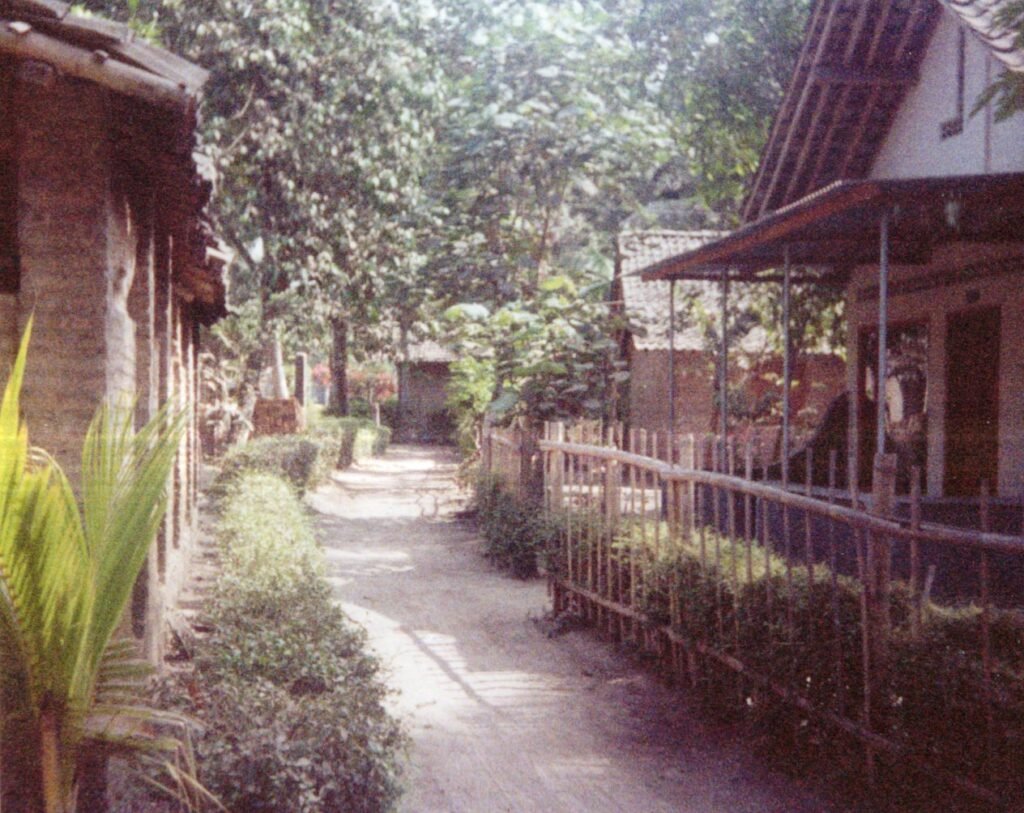
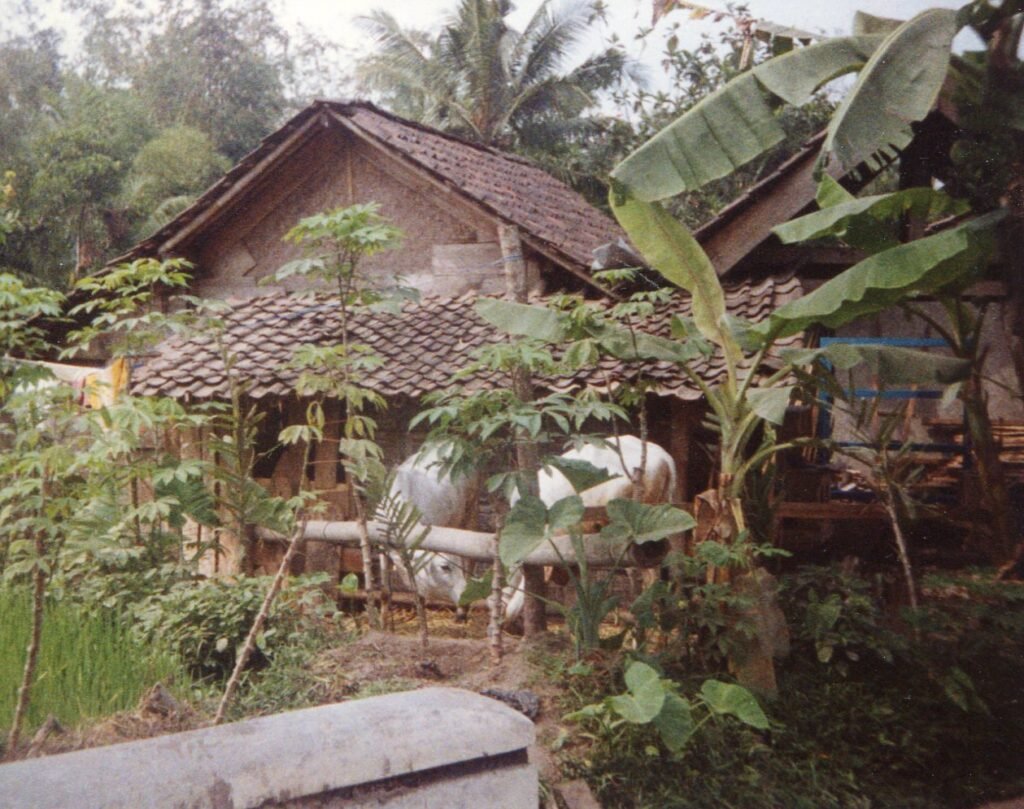
And the profuse growth has encouraged animistic assumptions that power runs through nature. It can be beneficial or harmful, depending on whether one lives in harmony with it and respects it. Being in control of one’s emotions and showing balance is seen as a sign of strength. Outbursts can be considered weaknesses, since influences from nature and society easily penetrate the person and make him/her uncentered.
In Java the musical instruments of traditional gamelan orchestras are believed to have a lot of power. Classical central Javanese styles feature slow tempos, and musicians use hammers that are muted to soften the tones when they hit the gongs and xylophones. Bowed stringed instruments, bamboo flutes, and singers interweave with them, and these sounds fuse into an all-enveloping energy that’s both gentle and animated. Musicians must walk around the instruments because stepping over them is considered sacrilegious.
This combination of power, community, and profuse natural environment is thus tied to many experiences, so Javanese have used a lot of words that relate to balance and harmony. Rukun means social harmony. It begins with the well-adjusted, spiritually balanced householder in regular touch with the ancestors and guardian spirits. It radiates outward to the neighbors left and right, the ward, the village, and the nation.
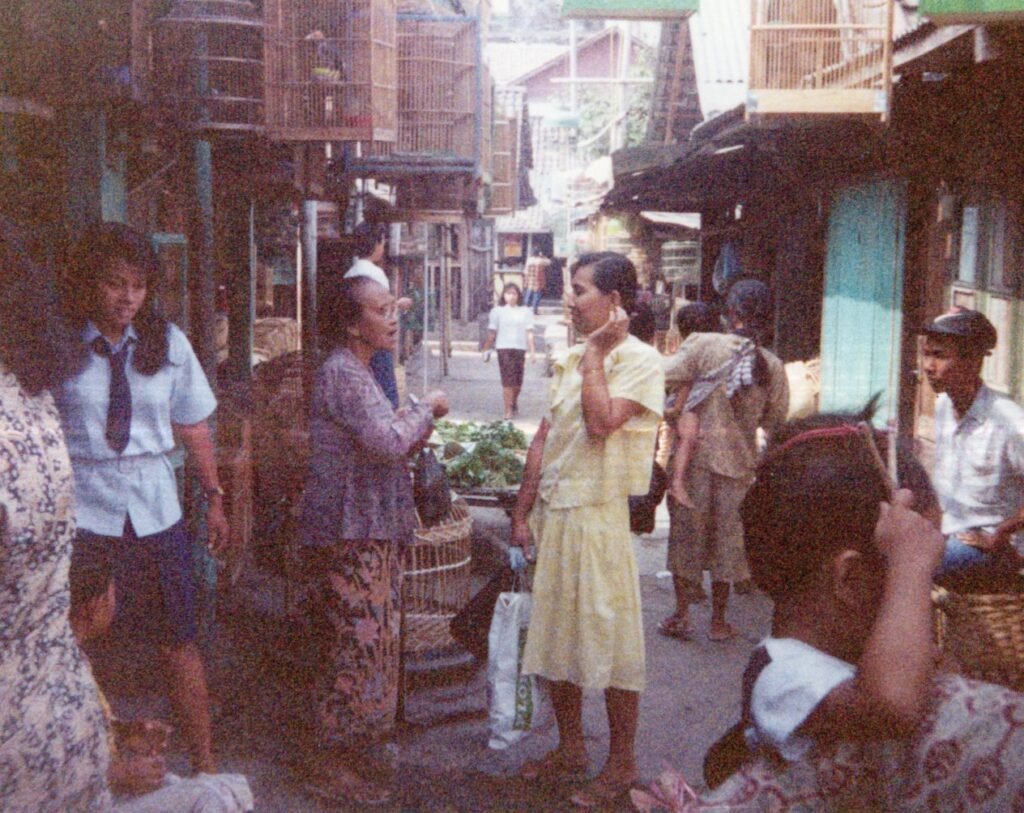
Pernah is another widely used word. It denotes the feeling of being “at home” or “comfortable” in a situation. This feeling can decide where newlyweds reside. It can also determine where an informally fostered child establishes pseudo kinship relations in the bustling life of a neighborhood. Pernah seeks and registers equilibrium in a fluid and densely connected social environment. It allows people to go on their neighborhood rounds with poise and equanimity. It contributes to rukun (social harmony) and satisfies a desire not to rock the boat.
Pernah fosters an alus (refined and spiritual) rather than kasar (rough, crude, and confrontational) style of interaction. The anthropologist Clifford Geertz defined alus as pure, refined, polished, polite, ethereal, subtle, civilized, and smooth. Someone with alus outward expressions and inner life is trustworthy.
The distinction between alus and kasar is also common in traditional performing arts. Puppets and dancers are placed in a hierarchy of refinement/roughness, and they’re marked by types of eyes and noses, whether or not teeth show and how prominent they are, degrees of distance between the feet, qualities of voice, kinds of dress, and degrees of smoothness/jaggedness in movements. Rama and Sita in the Ramayana are refined while their most powerful antagonist, Ravana, is course. Their contrasting visual characteristics and movements highlight differences in ways the universe’s energies circulate, and they make theater engaging for audiences.
Three other Americans, our local guide, and I drove to a central Javanese village in the evening, and we sat in a line of chairs in the central square. Two xylophone players began to repeat two notes half a tone apart to induce a hypnotic state. Eight other men went into trances and began to dance. Suddenly other men plunged a foot-long spike through each one’s cheek, and the well-traveled Manhattan attorney on my left gasped. We shook hands with them afterwards and they were entirely gentle. Their grips were soft, their eyes were warm, and their faces showed no tension. The performers briefly brought potentially destructive forces into the community and then controlled them. Traditionally, people have felt that this kind of event can increase the political and metaphysical power of the person who sponsors it, as well as strengthen village harmony and its land’s ability to generate crops. Walter L. Williams, in Javanese Lives; Women and Men in Modern Indonesian Society, noted the sharp contrast between dancers’ uninhibited actions and the usual deliberately reserved and controlled emotions of the Javanese. One dancer told him, “When I am in trance, I feel like I am in a dream, like I am riding on a real horse. It feels very nice to completely abandon the emotions and get carried away.” Williams was also told that the next day trance dancers often feel sick and exhausted, but they supported each other and shared meals.
Since distinctions between refinement and roughness pervade many aspects of life, a large variety of terms denote feelings of restraint, which people are encouraged to cultivate from childhood on.
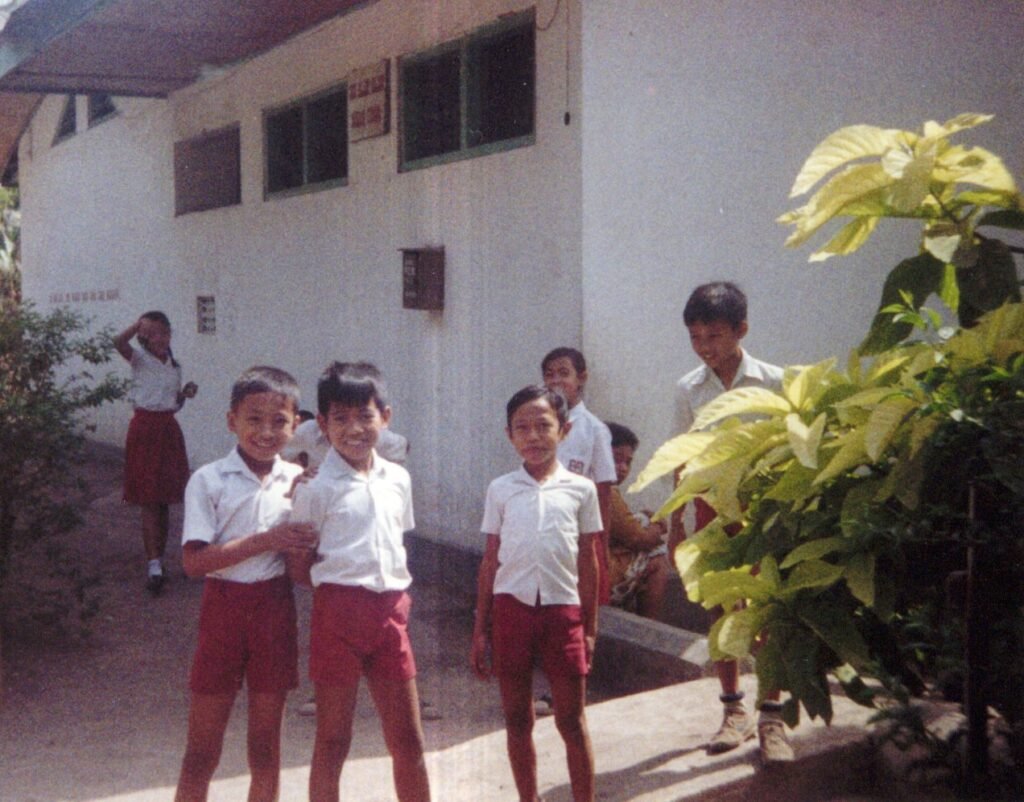
Hildred Geertz saw three emotions, sungkan, isin, and wedi, as the core of Javanese sociality. The anthropologist Andrew Beatty wrote that they control where you can and cannot go. Sungkan is a feeling of reluctance to do something or transgress a boundary.
Isin has been likened to shame or embarrassment. Beatty was told, “You feel isin because you feel something is inappropriate. Being impolite to social superiors would make a person feel that way.
Wedi has more of an element of guilt and fear. People feel it when they do something wrong, like stealing. They can feel wedi whether others see them transgressing a boundary or not.
Robust natural and social environments have converged to encourage a focus on emotions that are oriented to restraint. Several other Southeast Asian societies also have terms for emotions that are subdued, like Thailand (sabai is a mellow pleasure that people feel after dinner when they’re with friends) and Malaysia (marah is anger that’s less compatible with violent aggression and closer to resentful). Cultures construct emotional patterns in a large variety of ways. .