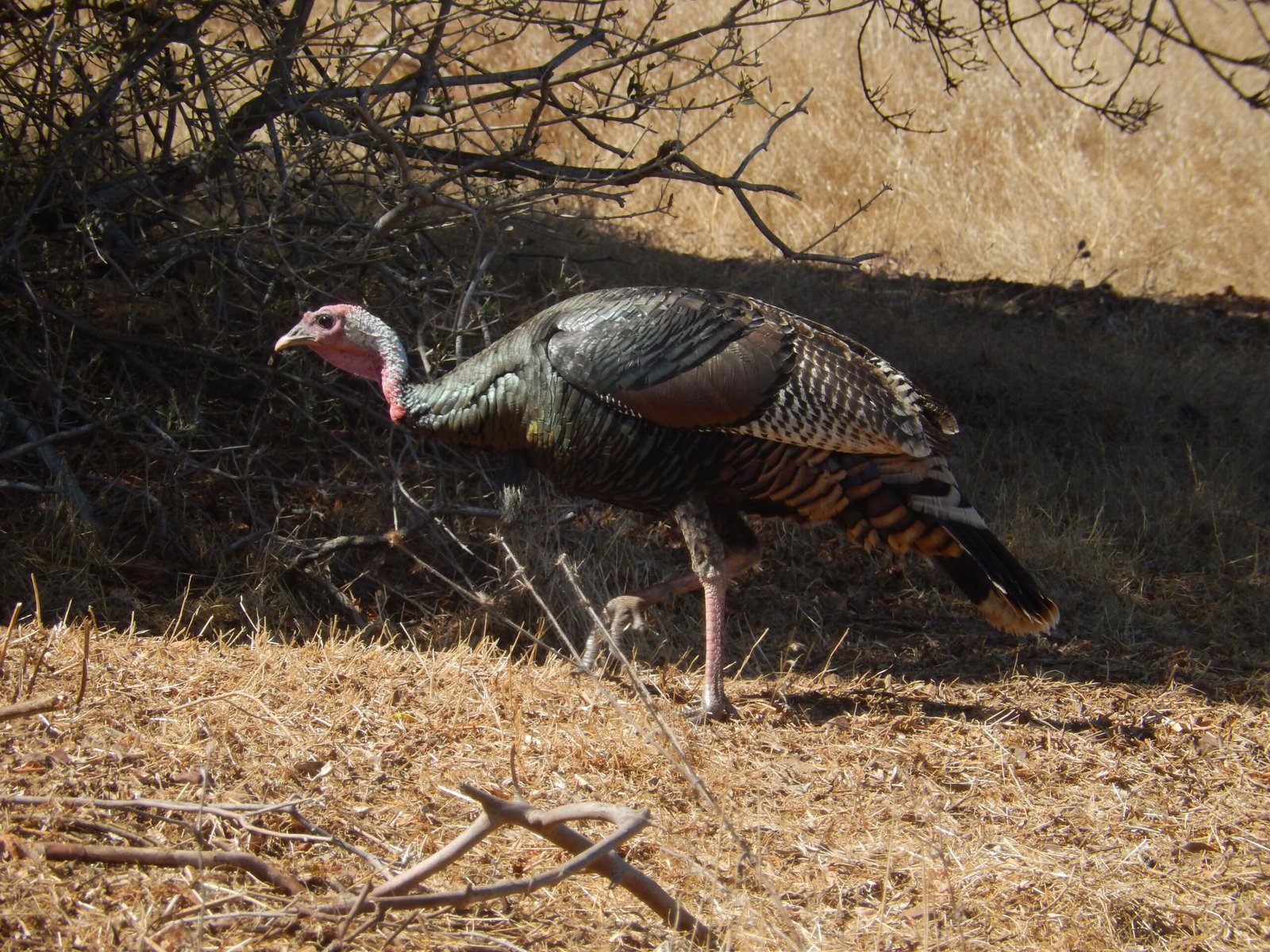
Ancient Greeks built temples and public stoas that emphasized abstract proportions and linear relationships, like this reconstruction of the stoa of Attalus in Athens.
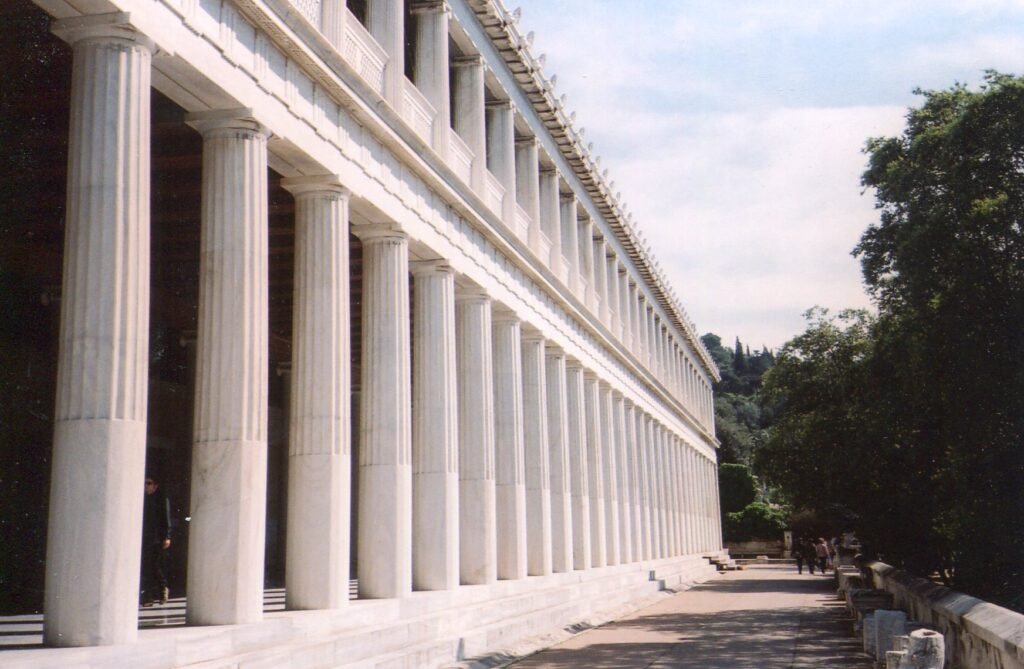
Europeans in the Middle Ages created Gothic cathedrals with lofty naves and towers that soared into the sky and transcended daily life and the natural world. The good folks in the prosperous city of Strasbourg (below) were encompassed by a representation of the world that located ultimate reality in the heavens.
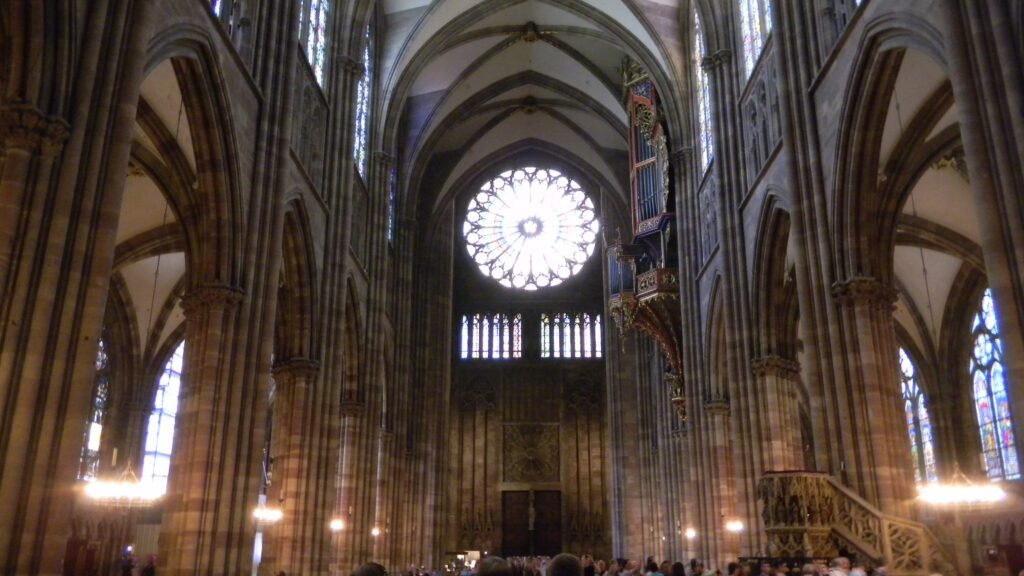
But Native Americans have seen the world in a different way, which emphasizes intimacy with all beings in the natural environment rather than abstract relationships or transcending nature.
The Cherokee lived in valleys in mountains in the Southeast, and they saw relationships with animals as fundamental, as most Native American societies have. All beings were created by the same spirit, and they have shared the same natural environment, so the Cherokee have told stories that teach people about the primacy of relationships with animals.

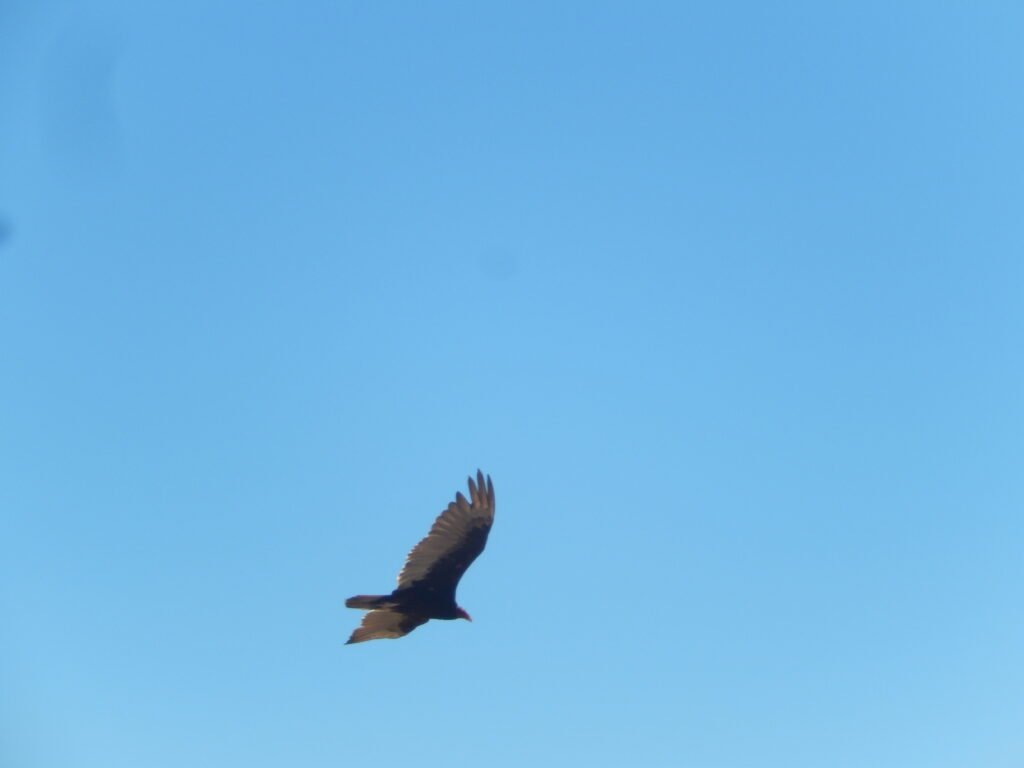
James Mooney, who wrote a definitive book on Cherokee myths in 1900, told a story about animals creating the world. The world was originally water, and animals existed above it. But they wanted more room because their space was very crowded, so they wondered what was below the water. Water-beetle dove to the bottom and came up with some soft mud, which began to grow and spread on every side until it became the land mass which we call earth. It’s a great island in a sea of water. At first it was flat and very soft and wet, so the animals sent Buzzard to make it ready for them. He flew all over the earth and found that it was still soft and wet. When he reached Cherokee country, he was exhausted and his wings began to strike the ground when they flapped. A valley was created wherever they hit the earth, and a mountain emerged wherever they turned upward. So Cherokee country has always consisted of mountains and valleys.
Fire also originated with animals. The world was cold in the beginning, so the Thunders sent their lightning and put fire into the bottom of a hollow sycamore tree which grew on an island. The animals knew it was there because they could see smoke, but they couldn’t reach it because of the water. Raven offered to fly there, and since he was big and strong the other animals thought this was a good idea. But when he came to the top of the tree, the fire scorched his feathers black. Screech Owl then volunteered to go. He reached the place, but when he looked down into the hollow tree, a blast of hot air surged up and burned his eyes. They are red to this day. Black Racer Snake then tried, but wiggling over the hot ashes nearly set him on fire, and his body turned black. The animals held a council, but all others were afraid to venture near the burning sycamore, until Water Spider said she would go. She spun a thread from her body, wove it into a bowl, and fastened it on her back. She glided over the water, reached the fire, placed one little coal of fire into the bowl, and brought it back to the community, which has had fire ever since. No ancient Greek Prometheus had to suffer the eternal agony of an eagle tearing out his immortal liver each day as punishment for stealing fire. Instead, a creature was able to use her natural abilities to harness fire as a permanent source of warmth.
Key features of the heavens were also created by animals. The Milky Way came about when some people in the south used a mill to pound corn into food. Several mornings when they came for it, they noticed that some had been stolen during the night. They found tracks of a dog when they examined the ground. So the next night they watched, and when the dog arrived and began to eat out of the bowl, they sprang out and whipped him. He scampered off howling, and corn that was still in his mouth fell out, leaving behind a white trail where we now see the Milky Way (the dogs below were much lazier).

Mooney wrote that most people said that stars are living creatures covered with luminous fir or feathers. One night a hunting party camping in the mountains saw two lights like large stars moving along the top of a distant ridge. They saw the same lights flying over the ridge on the next nights, so they decided to learn about the cause. They arrived at the ridge and found two strange creatures with round bodies that grew fine fur or downy feathers, with a small head that stuck out like a terrapin’s. The hunters took them back home, and noticed that every night they would grow bright and shine like great stars. But by day they were only balls of gray fur, except where the wind stirred and made sparks fly out. After seven nights, they rose from the ground like balls of fire and were soon above the treetops. Higher and higher they went, until the amazed hunters saw two bright points of light in the sky.
Temples in China have often been built like imperial palaces, with central halls aligning them with the highest political authority. Mosque architecture typically puts believers directly under God. Portraying animals as co-creators would be a grave sin, since it would compromise His unity.

Like ancient Greek temples and Gothic cathedrals, both buildings downplayed direct relationships with species that humans share the earth with and subordinated them to one god, emperor, or formal system (proportioned linear relationships in ancient Greece and yin-yang patterns in China). Most Native American societies have made intimacy with all creatures central, and this has enabled people to deeply appreciate their natural environment. All beings exist in a living, communicative world.
In Cherokee Earth Dwellers; Stories and Teachings of the Natural World, Christopher B. Teuton and Hastings Shade wrote that in the Cherokee language, one is named by others, not by one’s self. When I say, “Brian dagwado’a,” I’m literally saying, “Brian I am called” instead of “My name is Brian.” A person’s name comes from their relationships with others.
Teachings are not simply information. They are about relationships and responsibility. Knowledge exists in living relationships rather than in AI models. Cherokee and other Native American cultures have yet to be fully expressed by AI, and perhaps never will. One has to live in them as an embodied human being with feelings, relationships with others, ethical responsibilities, and immersive experiences in the natural environment.