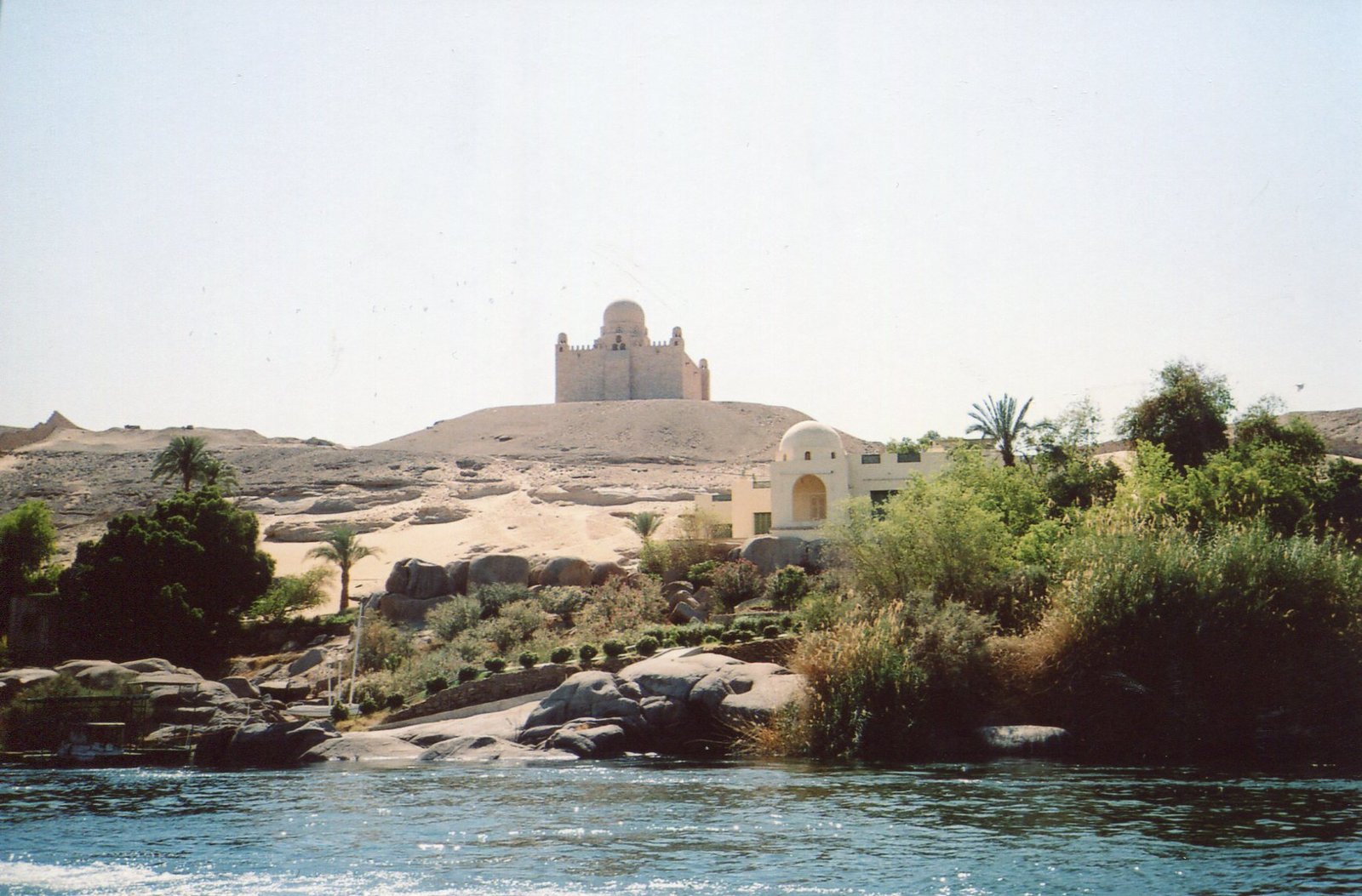
I thought I’d cause a little trouble while I was in Egypt. I knew that this story would mess with my Cairo guide’s head.
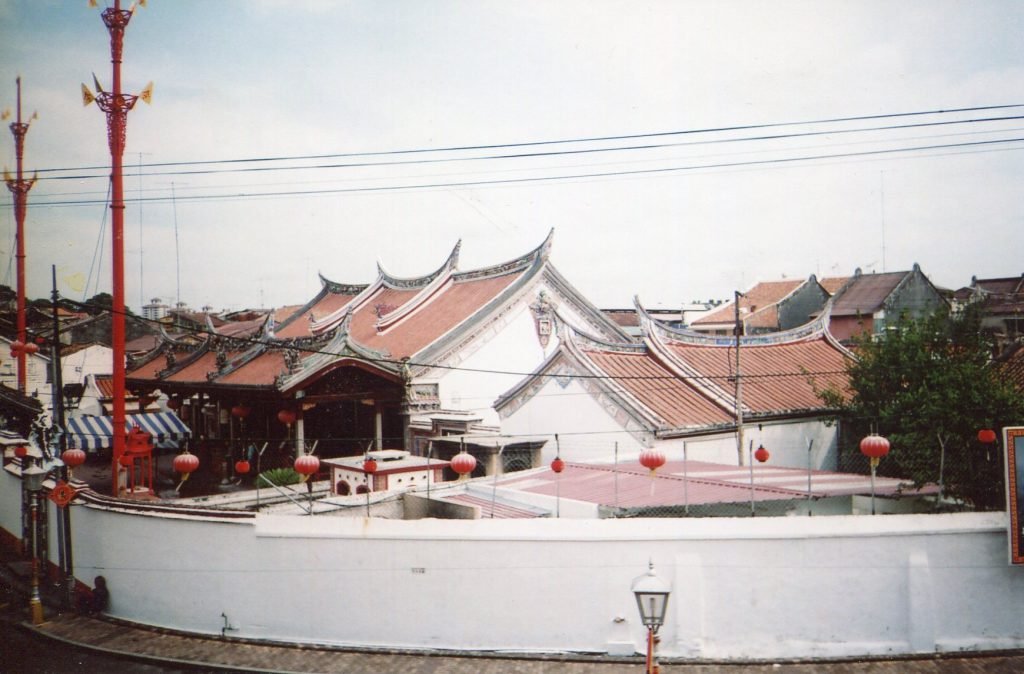
Five weeks before, I was in Malaysia, in Malacca’s Chinatown. The community temple (pictured above) is full of Confucian and Daoist shrines and ancestral tablets. Lots of traditional Chinese faiths thus rub shoulders in a view of Heaven as an extension of the family and the community. This view of divinity is strikingly different from the focus on a single all-powerful god that the Middle East’s three wide-spread religions have stressed. So my young Cairo guide, who was a pious Muslim that had never been out of Egypt, was about to get a little shock.
The Malacca temple’s main hall houses altars for several gods and spirits.
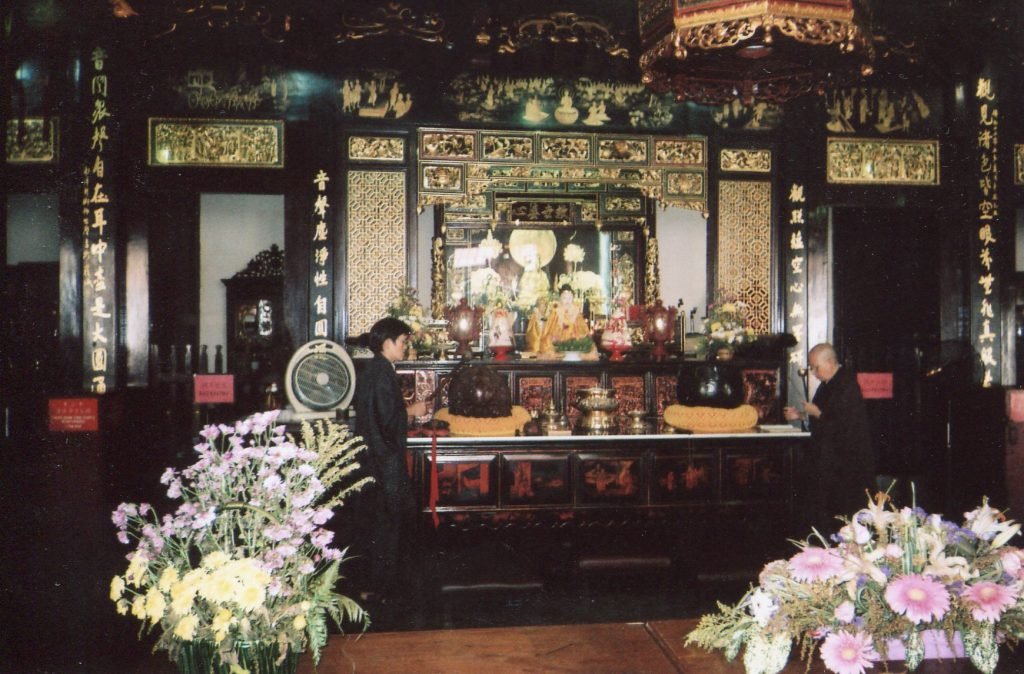
Two men, at two different times, approached a shrine while smoking a cigarette. One gentleman took a puff while standing at the altar.
The woman in Cairo said, ”That’s disrespectful!” I explained that many Chinese concepts of divinity are different from Middle Eastern–that traditionally, many Chinese have seen the universe as a community of spirits and system of circulating energies in harmony, so the two smokers were approaching divinity as though it’s part of their community, extended families, and nature. “I know that Islam focuses on one god and His unity, but many traditional Chinese feel intimate with multiple divine beings and their ancestors. Both of these views of divinity have very ancient roots, and they’re both very rich.” Her eyes remained glazed, not showing an “Aha!” She was immersed in her culture, as the two Chinese men were deeply in their world.
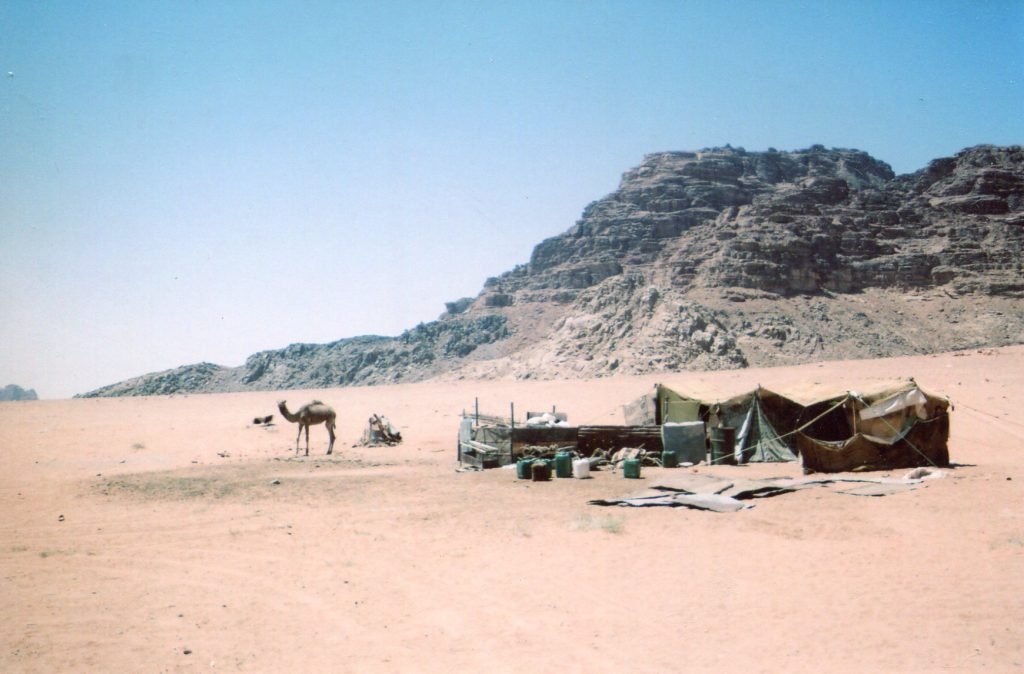
Each world has so many dimensions that it’s hard to see beyond it if you live in it.
The poet Wang Ping grew up near Shanghai and then taught English at Macalester College in Saint Paul, Minnesota. She has lived along the Yangtze and Mississippi and feels that people are deeply connected with rivers. Ping sees analogies with biology and says that water makes up most of our bodies, and that our vascular system resembles riverine systems. Because people have settled by rivers and traded along them since human beings emerged, they’re ingrained in our consciousness.
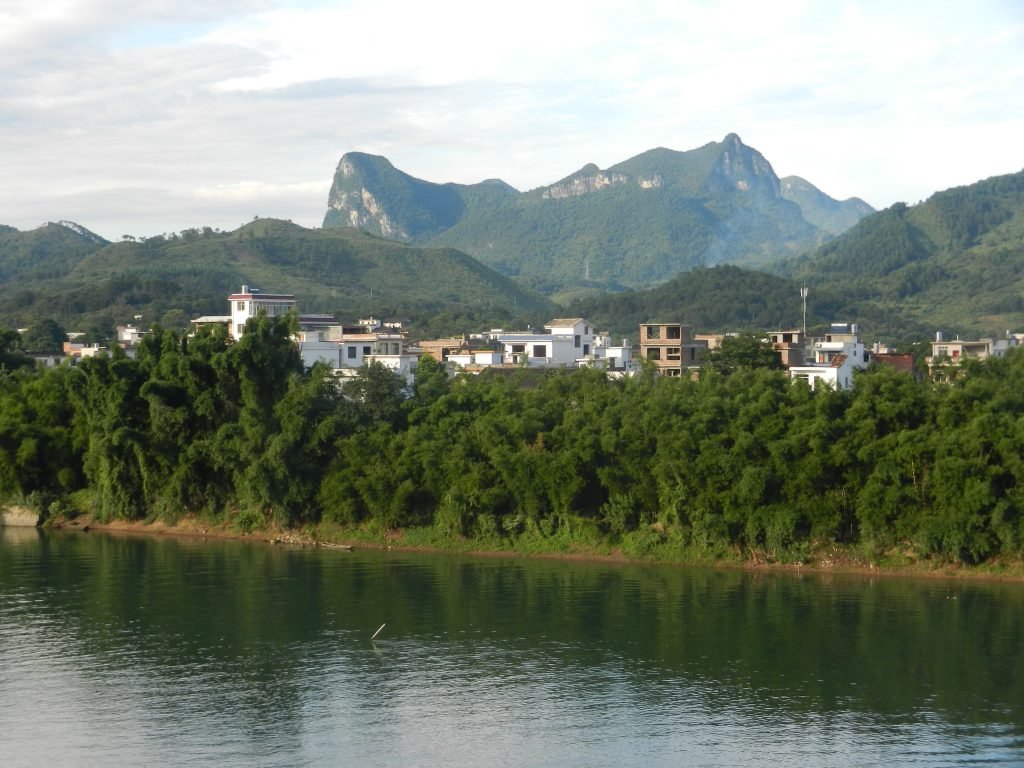
Chinese have conceived yin and yang, not as separate domains, but as complementary patterns that flow together in cycles that characterize changes in nature. Ping sees the two great rivers as complementary. Since they helped pattern the cultures of the two biggest economies in the world, she’s working to create harmony between both nations.
Islamic culture hasn’t been unified by a river, so it has used other ideas to consolidate with. Islam quickly spread through deserts and then along the Mediterranean. It then extended through northern India, Central Asia, and the Malay world. Its rapid growth seemed to transcend all geographic boundaries. This has made it seem miraculous, as though it has been ordained by Allah, who in His glory, towers over all of nature’s features. Millions of Muslims live in China, but people in both cultures have had a hard time understanding each other, partly because they have unified the world with different ideas.
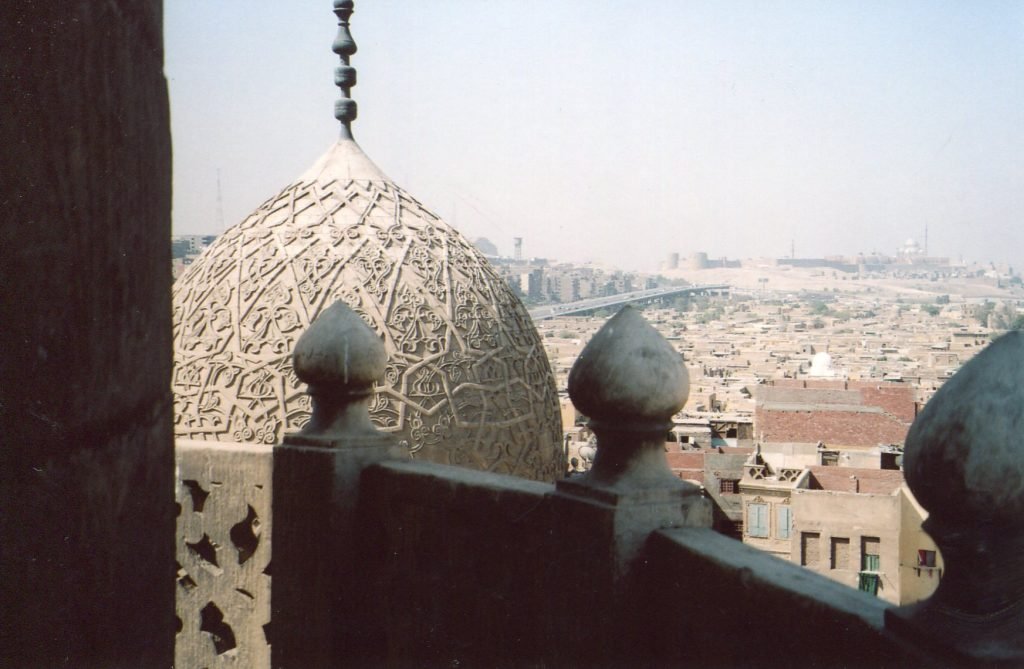
The archaeologist K.C. Chang noted that religions rooted in the Middle East have emphasized a transcendent deity, while ancient Chinese saw nature as a whole without a being who created it and transcends it. The king was an integral part of nature’s processes, and courtly rituals harmonized them. This was so back in the Shang Dynasty and possibly way back in Yangshao times.
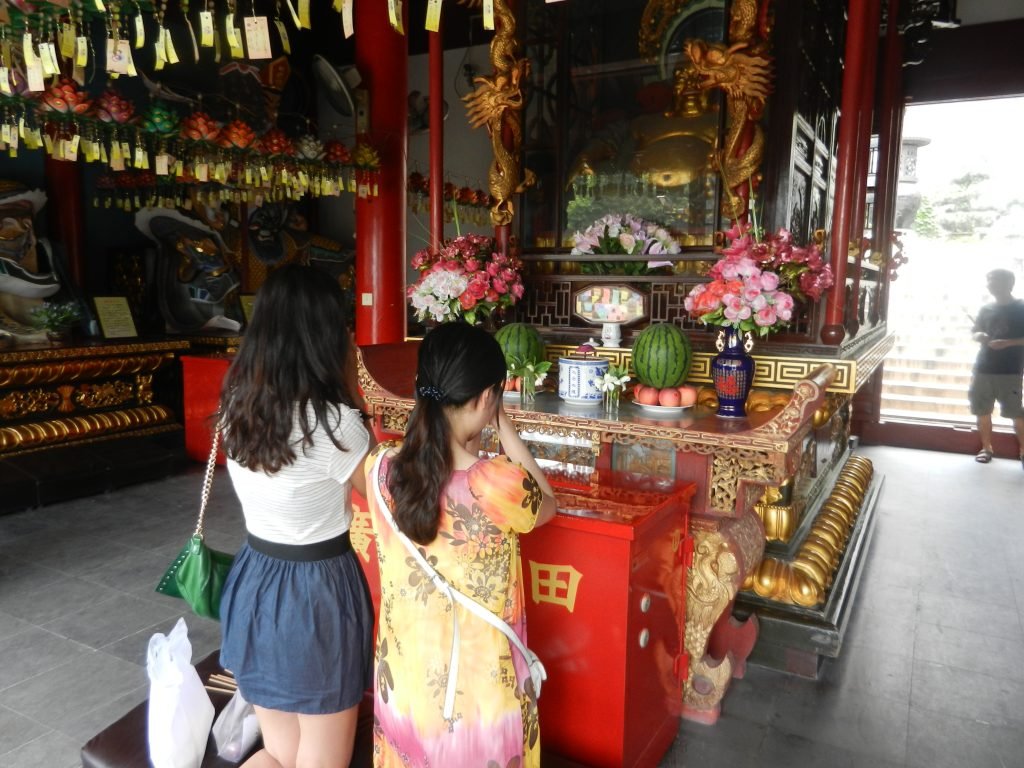
Chinese have created many ways to represent nature as a self-sufficient whole, whose patterns circulate so that everything is in harmony. Traditional buildings can make you feel immersed in nature’s cyclic flows of energy.
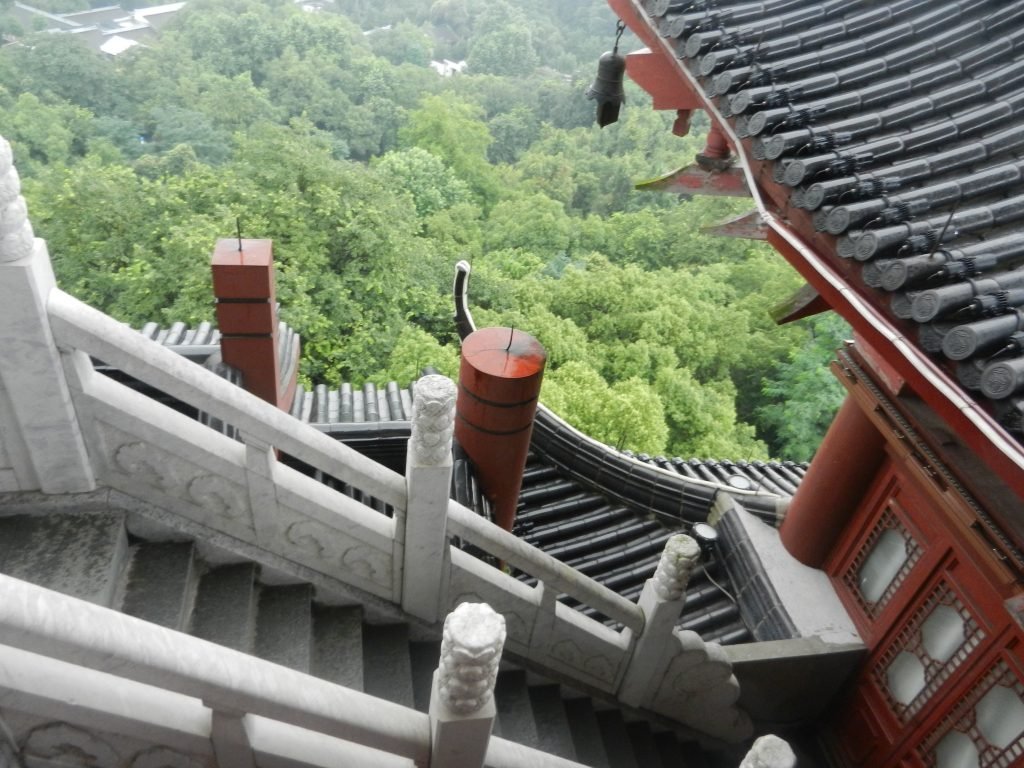
But Islamic cultures developed many ways to think about God, including the 99 Holy Name. He is Al-Quddus (The Most Holy), Al-Aziz (The Mighty One), Al-Jabbar (The All-Compelling), and Al-Malik (The King). Though The Mighty One, He has soft characteristics, including Ar-Rahman (The Beneficent), Ar-Raheem (The Merciful), and As-Salam (The Giver of Peace). He is As-Sami (All-Hearing), Al-Baseer (All-Seeing), Al-Khabir (The All-Aware One), and Al-Lateef (The Knower of Subtleties). Since nothing in the universe is beyond Him, He is Al-Wasi (The All-Pervading One), Al-Mubdi (The Originator), Al-Wahid (The Only One/The Unique), Al-Awwal (The Very First One). He is both Al-Baatin (The Imperceptible/The Hidden One) and Az-Zaahir (The Perceptible/The Manifest). He is Al-Ghaniy (The Self-sufficient One).
God is the basis of everything in nature and culture. Meditating on His attributes is thus the proper way to begin to learn and think about any subject. The more people learn about the subtleties of His names, more deeply they can understand what exists. They worship Him with ever deepening love, fear, and respect.
In traditional China, it has been common to think that nature is self-sufficient. From Tai Yi (the Great Ultimate), yin-yang patterns differentiated, and from them came the seasons, the colors, the geographic directions, and then all things that exist. This process was automatic, without a conscious being who willfully created it all.
It has also been common to think that society is self-sufficient and that it’s integrated with nature. Confucians developed a robust network of ideas of how a harmonious society is constituted.
A lot of other ideas converged into Islamic ideas of unity, including calligraphy. Islam and China have deeply honored writing, but in different ways. You can explore some aspects of the Mandarin language here.
Other ideas also converged into Islamic ideas of unity, including geometry, architecture, and the Five Pillars of Faith. In China, language, concepts of nature, perspective in painting, music, architecture, and other ideas converged.
Other religions rooted in the Middle East have developed equally rich ways of thinking about God’s unity and omnipotence, including Christian and Jewish.
Each way of thinking about divinity converged from thousands of years of shared experiences. People can now meditate on the world’s wealth of cultures and the limitless ways they reflect each other. We can see ourselves as immersed in a field of light and love.
A hike in my own neck of the woods gave me this feeling. It deepened my appreciation of Native American ways of thinking.