
In Islamic thought, a lot of things have deep meanings beneath the surface.
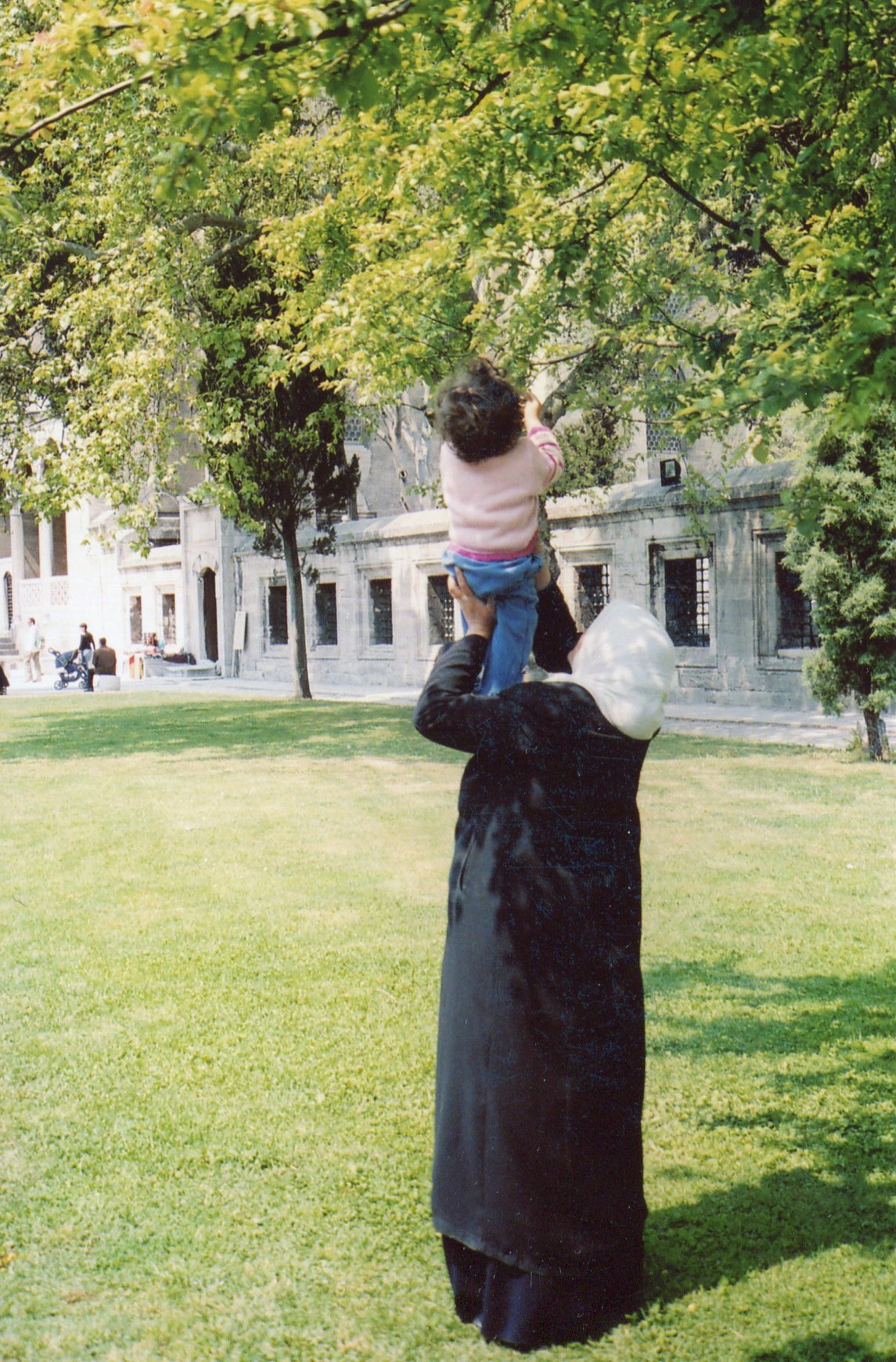
This child is beginning to learn about the Five Pillars of Islam outside a mosque in Istanbul. On the surface they might seem simple, but they have layers of meaning that reflect some of the deepest thoughts in the Islamic world.
The Five Pillars are:
1. Shahada–the proclamation that there is only one god and that Mohammad is His prophet.
2. Salat–daily prayer in which the believer faces Mecca.
3. Siyam–fasting during the month of Ramadan.
4. Zakat–giving to the poor.
5. Hajj–pilgrimage to Mecca.
Many modern Westerners might see this as to-do list. But Islamic thought treats the Five Pillars in a deeper way.
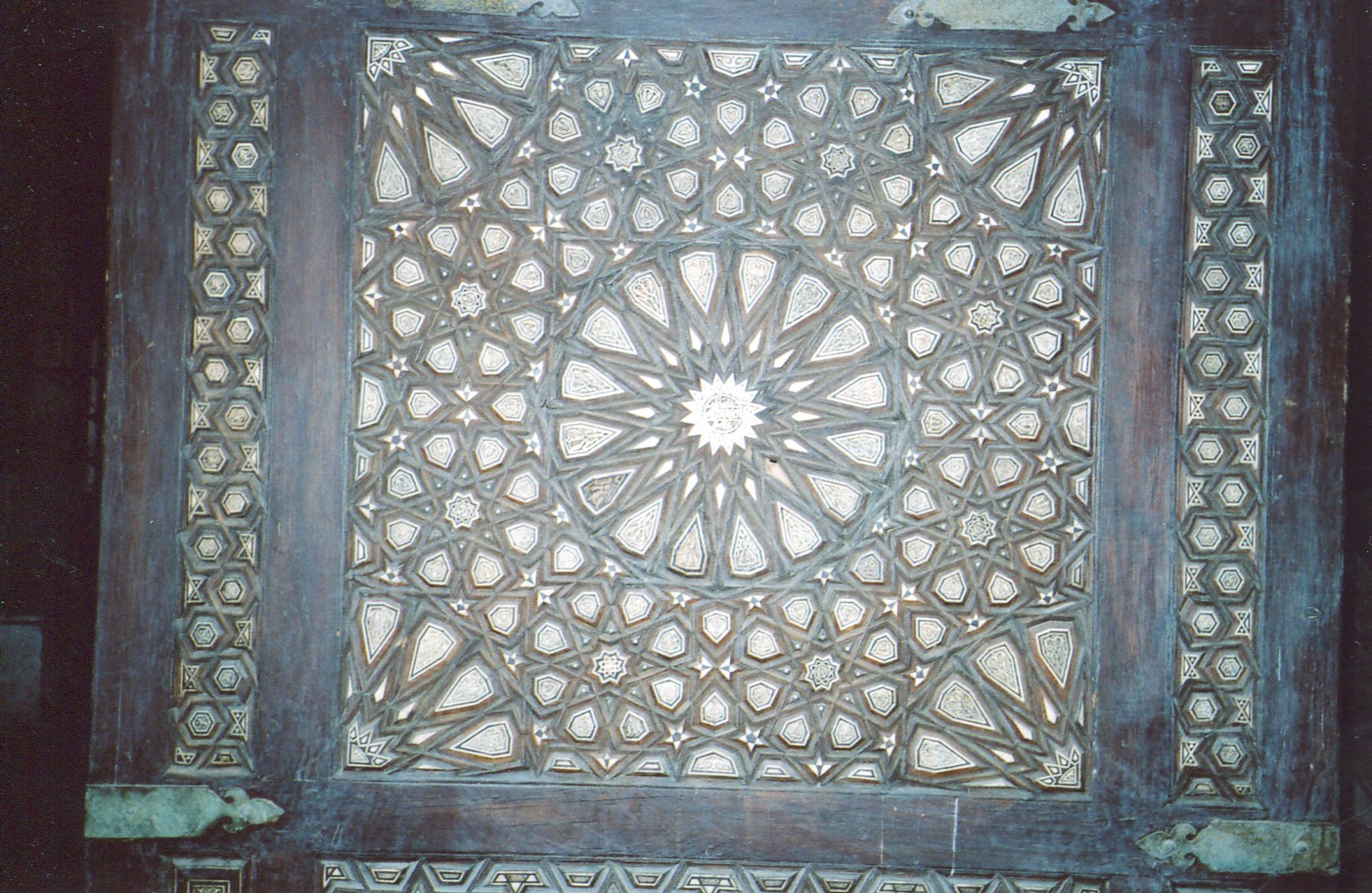
The Five Pillars are often seen as a quincunx (a square or rectangle of four objects in the corners which surround a central object). The Shahada is the central object. When one pronounces the Shahada in front of witnesses, he enters a contractual relationship with God and is subject to Islamic ritual and legal obligations. Thus the other four pillars follow the first–they’re peripheral to it.
But on an even deeper level, the Shahada declares God’s unity. God created the world, so everything is the result of God’s unity. The points and shapes around the center come from it.
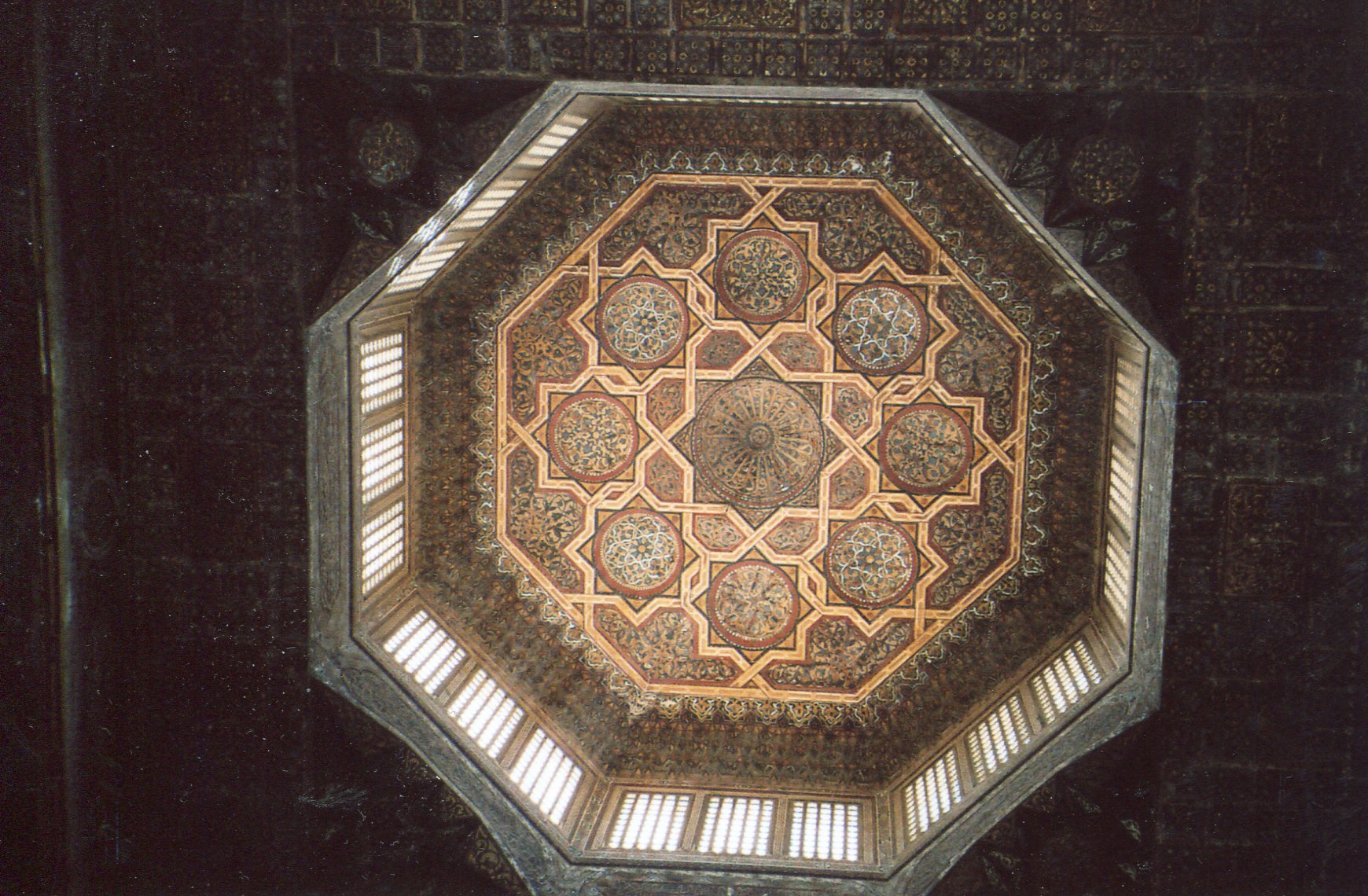
Islamic thought isn’t shaped by linear relationships as much as Western thought is. It’s often more oriented to the center, which is conceived as the beginning of creation. A prior article introduces this idea in Islamic ideas of the circle. But Islamic thought and art also favor other shapes that are symmetrical, which surround a center that’s seen as the most basic aspect of the shape. Quincunx’s, pentagons, hexagons and octagons are very popular. You can see them in motifs in mosques and in ways literature and musical performances are structured.
All together, these ideas form a rich network of meanings. The more people meditate on them, the closer they can get to the center. Western linearity and Islamic orientations to the center are two infinitely rich ways to shape thought. Hopefully more dialogs will develop between both cultures.