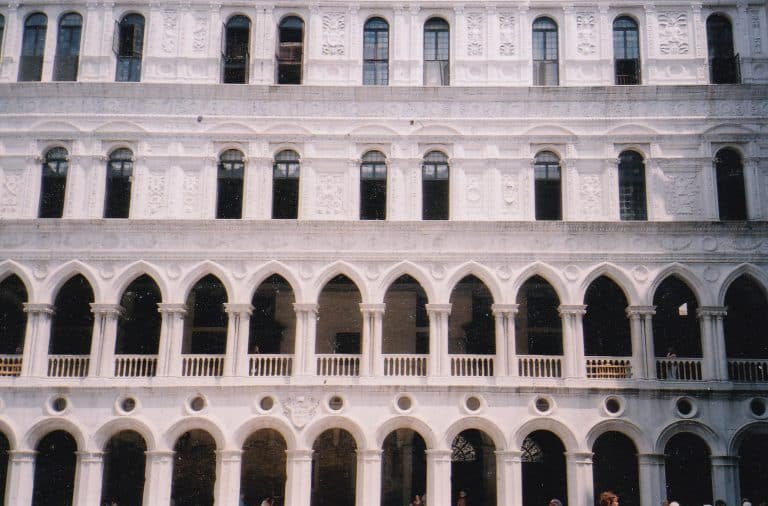
Line Meets Light; Venice in Western Culture
Italy boasted many wonders when its artists developed three-dimensional perspective in the 15th century, and no place has been more wondrous than Venice. Its unique
Italy boasted many wonders when its artists developed three-dimensional perspective in the 15th century, and no place has been more wondrous than Venice. Its unique
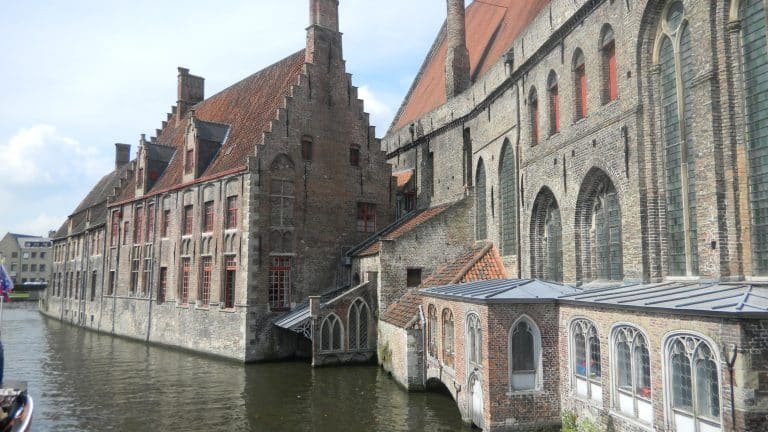
The last two articles explored the development of three-dimensional perspective in Florence, but what about the cold North? Though Northern Europe lacked the Mediterranean’s clear
Many cultural currents converged to encourage Florentines to develop three-dimensional perspective in the 15th century. Yesterday’s article examined several and we’ll explore more here. Several
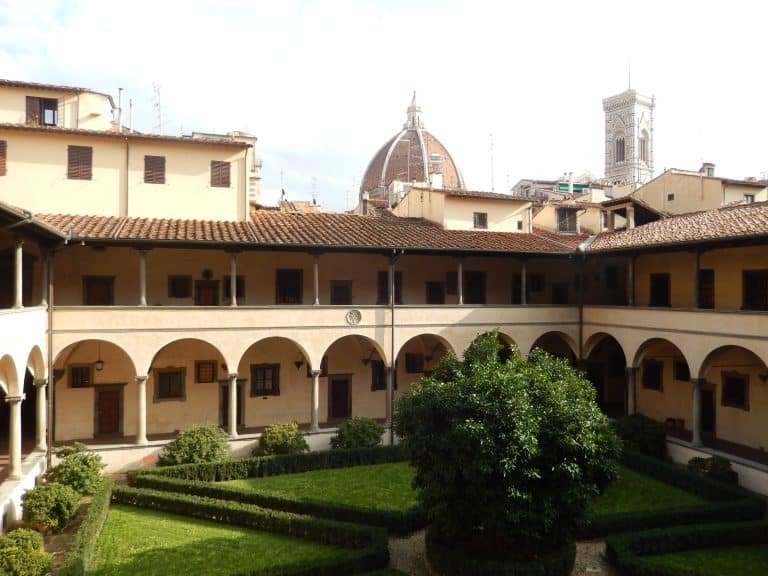
In Florence around 1410, the artist and architect Filippo Brunelleschi created a sensation. He had painted an image of Florence’s baptistery (shown in the two

It’s easy to take the importance of agriculture for granted, but composers of the Rigveda didn’t emphasize farming. They inherited the traditions of their animal-herding

The Homeric poems are ravishingly visual; both are full of similes. The Iliad compares advancing troops to surging waves and a lion, and its

The first Greek philosophers looked for something that, on the surface, sounds like what the Upanishadic composers in India were seeking: the underlying unity and

The Kabbalah is a very deep spiritual tradition (the word literally means tradition) with fascinating assumptions about language and reality. By the beginning of the

The last article here explored the transition from thought in the Middle Ages to the modern world, but the medieval world was much more dynamic

Several ideas that dominated modern Western thought emerged during the sixteenth and seventeenth centuries, such as: Though their dominance didn’t mature until the