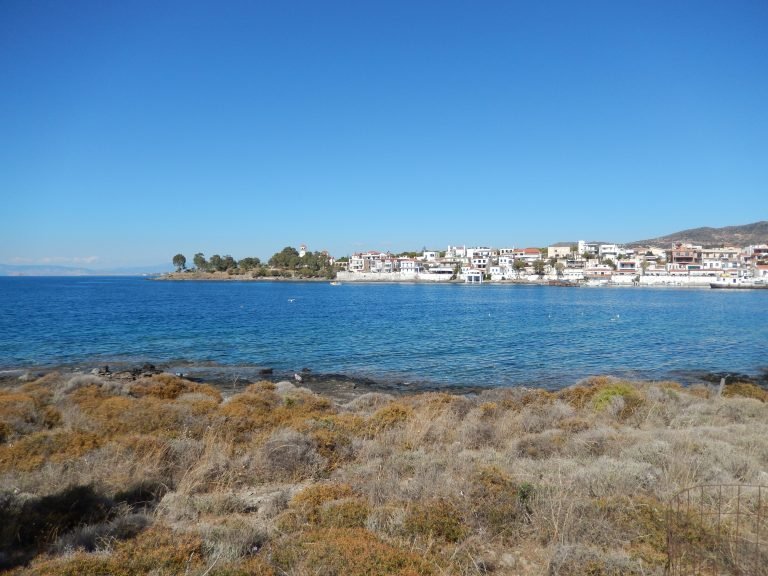
Ancient Western Philosophy Stepping toward India and Landing back on Greek Soil
The first known Greek philosophers focused on aspects of the physical surroundings that people could observe with the eyes and measure. This befit the natural
The first known Greek philosophers focused on aspects of the physical surroundings that people could observe with the eyes and measure. This befit the natural
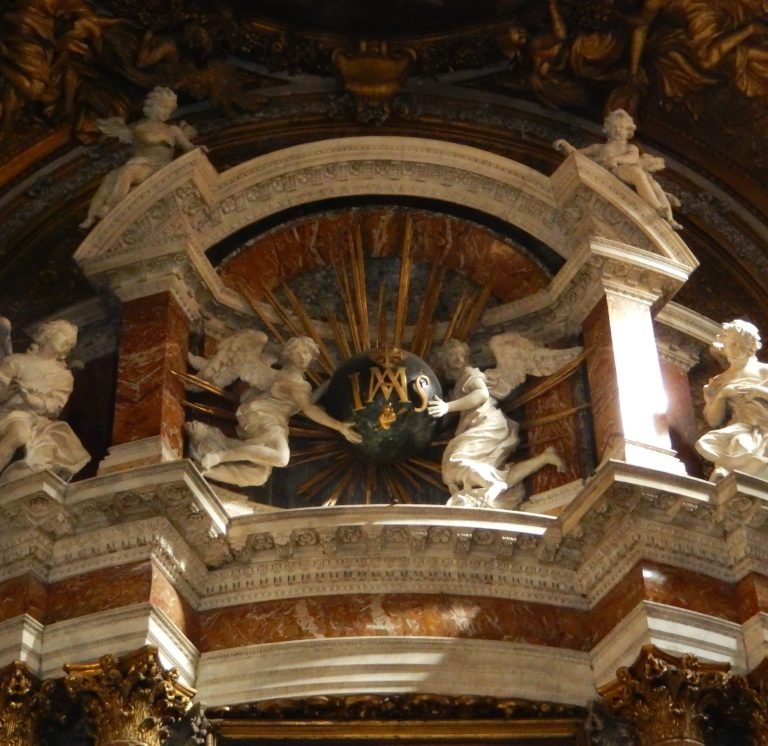
Many people in the Roman Empire by first century CE were looking to metaphysical realms for meaning and well-being. Its magnificent forums left a lot

She can be sweet or cruel depending on her mood. That’s a pretty capricious goddess to place in the center of the universe, but this
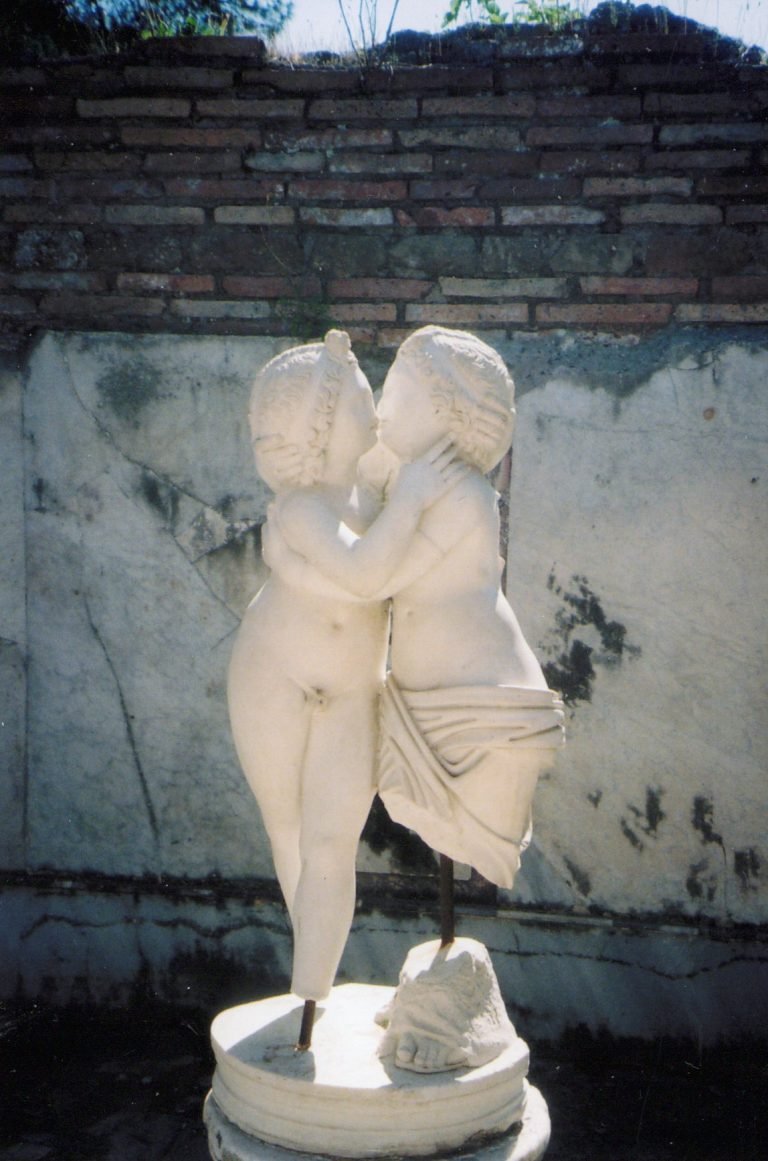
Most ancient Greeks saw the world in ways that reflected their intimate city-states. Most of their views were human-scale and proportioned. Romans in their early

Many Westerners have assumed that reality is centered on individual objects, distinct domains, linear relationships, proportion, vision, and mimesis (accurate imitation of things while creating

Rome started as an undistinguished looking city, but events began to happen on a larger scale in the third century BCE, when Qin Shihuang built

The development of ancient Rome forms an interesting contrast with China. The last two articles explored what was happening in the Roman Empire’s eastern counterpart

Greeks began to form colonies in the eighth century BCE. This movement, in which people loaded their belongings onto ships and ventured out to sea
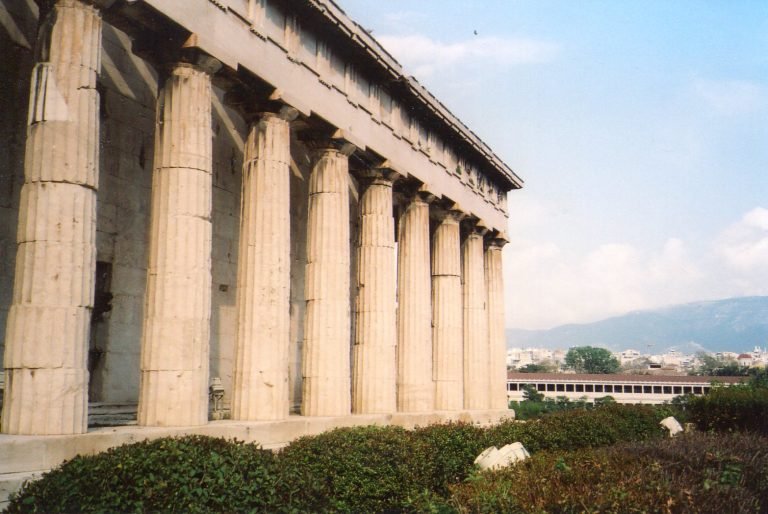
Ancient Greek cities were engaging in unique ways. They were so immersive that it was difficult for most people to imagine life outside them, and

Ancient Greeks’ minds had many deep roots, including the body. Their especially intense love of athletic games helped encourage them to assume that reality is