Building Foundations for the Gods’ Palace at Angkor
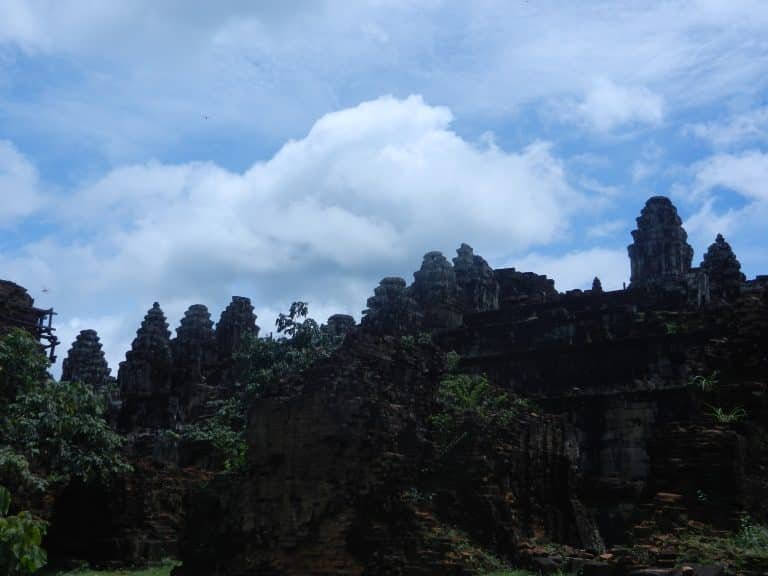
The Khmer king Yasovarman I (r. 889 CE-about 910) was both conservative and radical. He succeeded his father, Indravarman I. I detailed the former’s
The Khmer king Yasovarman I (r. 889 CE-about 910) was both conservative and radical. He succeeded his father, Indravarman I. I detailed the former’s
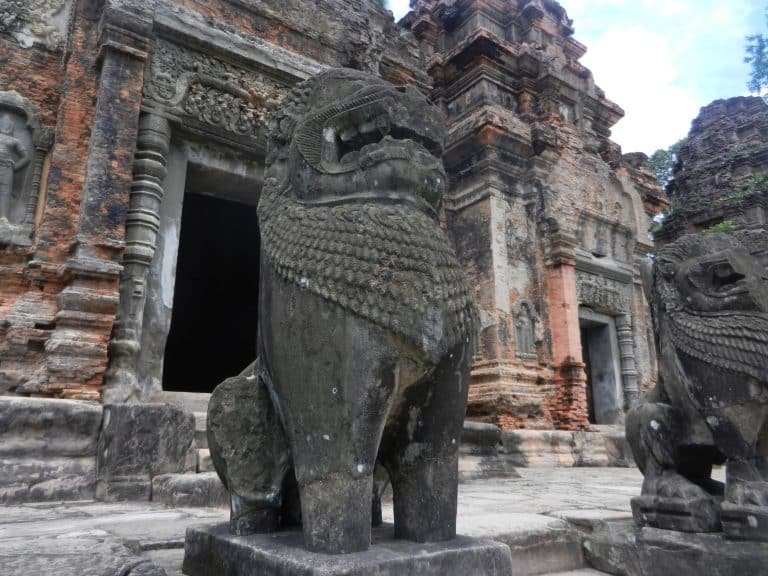
After last article’s introduction to Preah Ko, we’ll approach its central section and explore its mysteries. Its shrines have many false doors made of
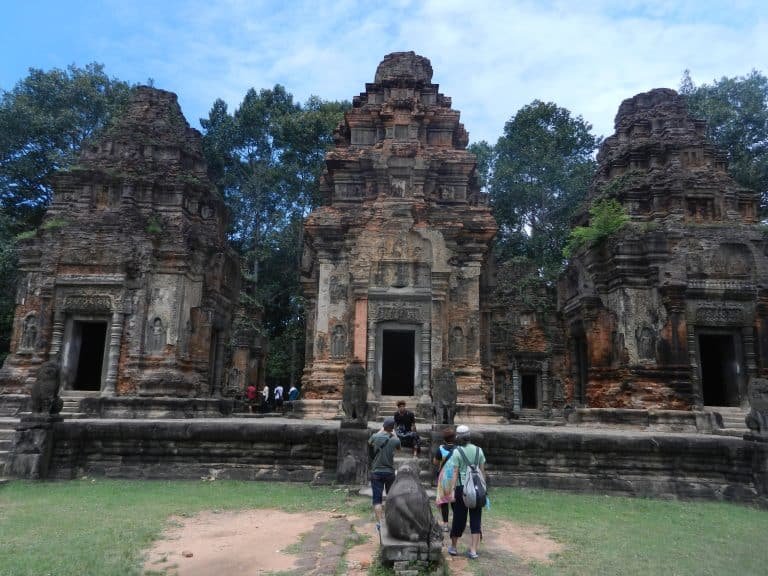
Preah Ko is one of the most important temples that the Khmers built. King Indravarman I erected it over 250 years before the Khmers constructed
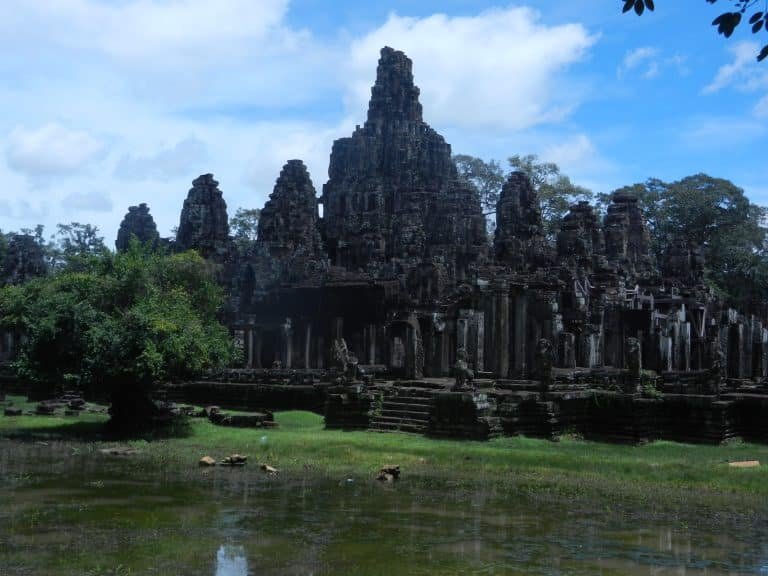
Similar things were happening in Angkor and Medieval Europe in the 11th century. Both lands were becoming more politically centralized under strong rulers who built
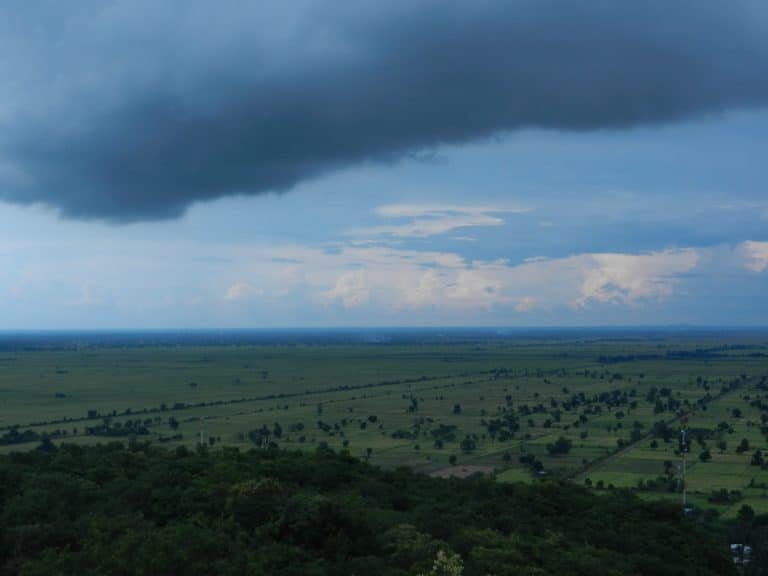
I’d forgive you for thinking that I ran this picture through Photoshop. But it’s exactly what I saw. Every photo in my website is–I’ve never
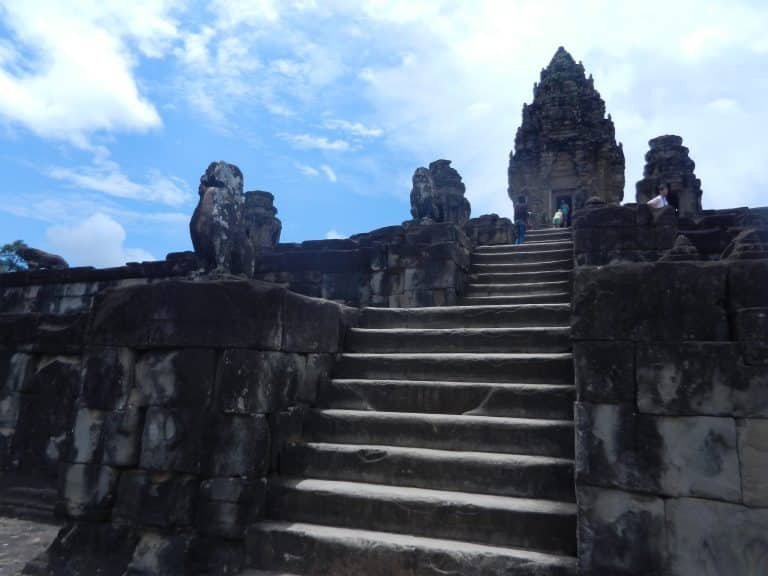
The Bakong and Preah Ko were the first two large temples that the Khmers built on Angkor’s plain. Erected about 250 years before Angkor Wat,
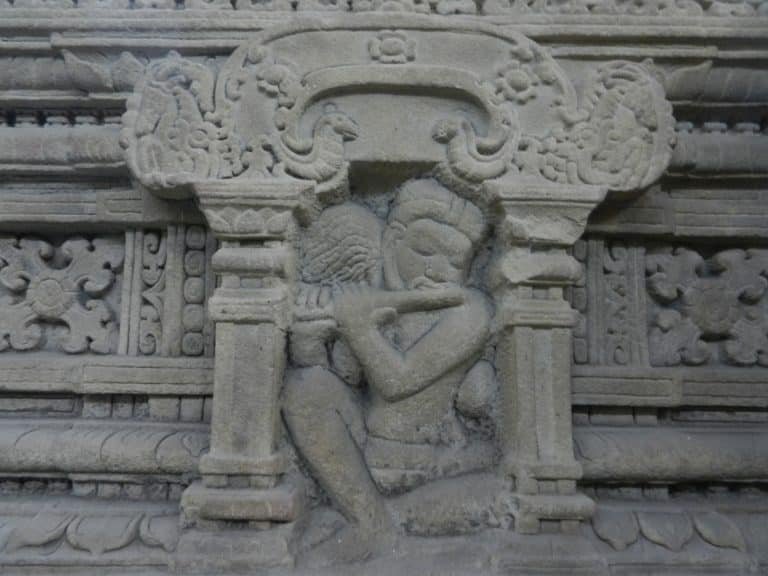
Early Cham art was vibrant–full of lively people and vegetal forms. But it was also exquisitely tasteful. It’s hard to be first rate at both, but
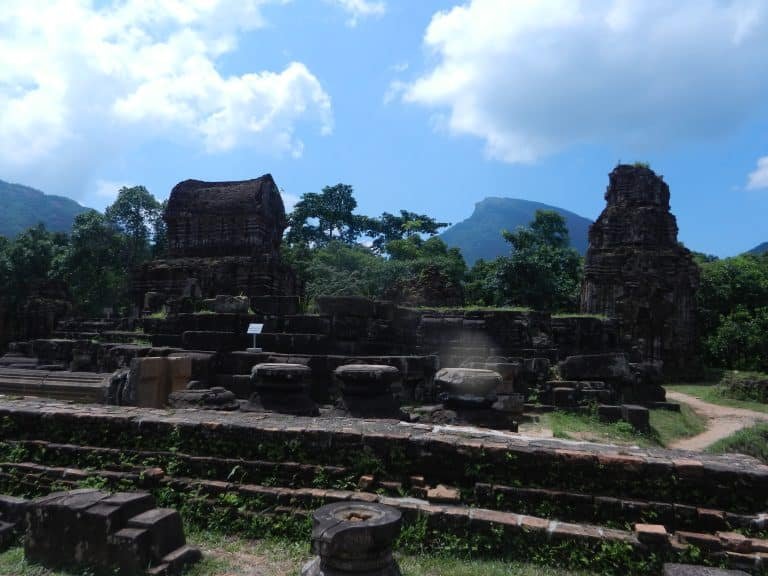
They built a civilization that lasted longer than ancient Rome did. They defeated the mighty Khmers and ruled Angkor shortly after Angkor Wat was built.
We left the Khmers at their graceful old Chenla capital of Ishanapura, but their kings took some giant steps between the handsome Chenla temples and
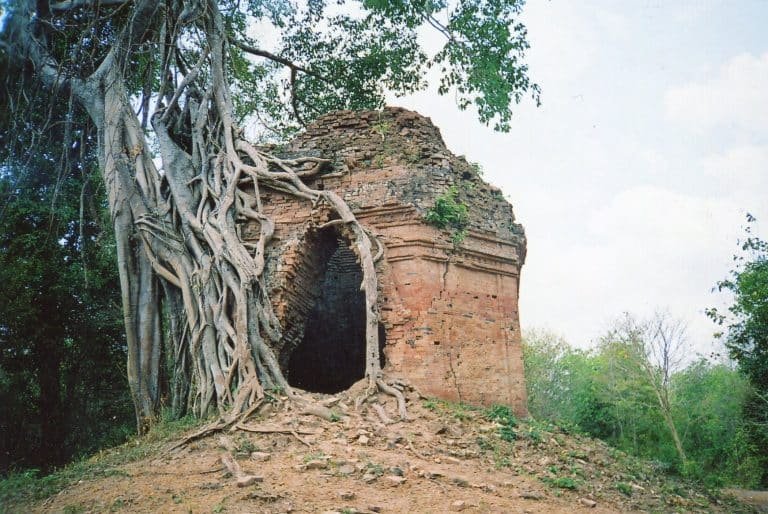
More roots of Angkor Wat grew in northern Cambodia. Around 500 CE, communities there built a kingdom, or a network of independent cities, called the