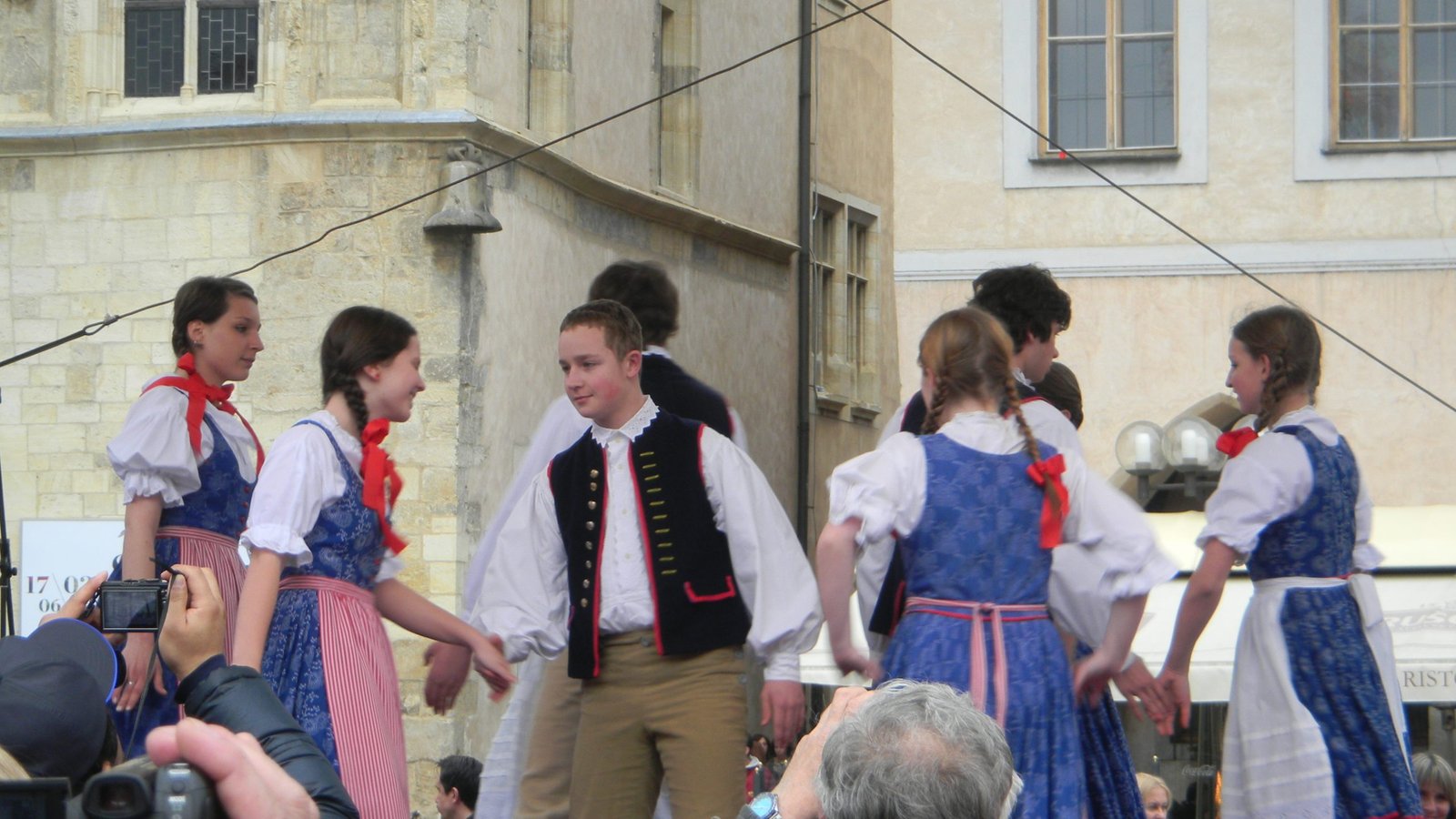
Many of AI’s leaders are concerned about aligning AI’s goals with what will benefit humanity, but its LLMs have a narrow view of us. Humanity’s field of connections has been integrated in many ways besides information over the previous several thousand years, and all of these together have constituted us as people, including:
Stories: The education theorist Jerome Bruner, in Acts of Meaning, wrote that people largely think in terms of stories, and that this is so from early childhood on. Stories are more than bits of information because many of the ones that people find most engaging have several meanings. The Gospels have been so influential partly because Jesus is portrayed as both divine and human. He is not reducible to bits of information because he has multiple aspects. He also represents integrating ideas, including God, the Trinity, spirit becoming flesh, the salvation of humanity, and the dawning of a new historical era. He is also meaningful in terms of values, such as love, mercy, and steadfastness.
Ancient Greeks treated the Homeric epics as their Bible by referring to them for values and perspectives. These texts portrayed gods and warriors as both magnificent and petty, and they depicted them as physically lustrous. Their stories raised questions about the world and provided ways to debate them.

The ambiguity of many canonical stories, the integrating ideas and human experiences they address, and the memorable personalities of their main characters give them depth and make them engaging enough for people to remember and discuss throughout their lives. They also allow people to identify with the characters. The combination of all these aspects of narratives gives them a central place in cultures.
Shared histories: Societies use them to cohere. The Gospels were part of the West’s in 15th century Florence, and the Chiang Mai chronicles detailed Lan Na’s collective history.

Shared histories are more than bits of information, because they’re meaningful as a whole process in which the past has unfolded into the present and because people associate both their individual and communal identities with them. The collective past is meaningful as it pertains to the whole person and the entire community. This meaningfulness determines what people decide to store as information. Thus the Chiang Mai chronicles detail genealogies that link royalty with the Buddha and then switch to the doings of Thai kings, but they exclude stories about monarchs in Cambodia.
Religion: People share a tradition of ways to connect with the unknown. Like shared histories, religion helps societies to cohere. Religious texts and ceremonies contain bits of information, but people’s faith in them as bridges to the unknown and promoters of communal harmony enables them to endure in a culture.
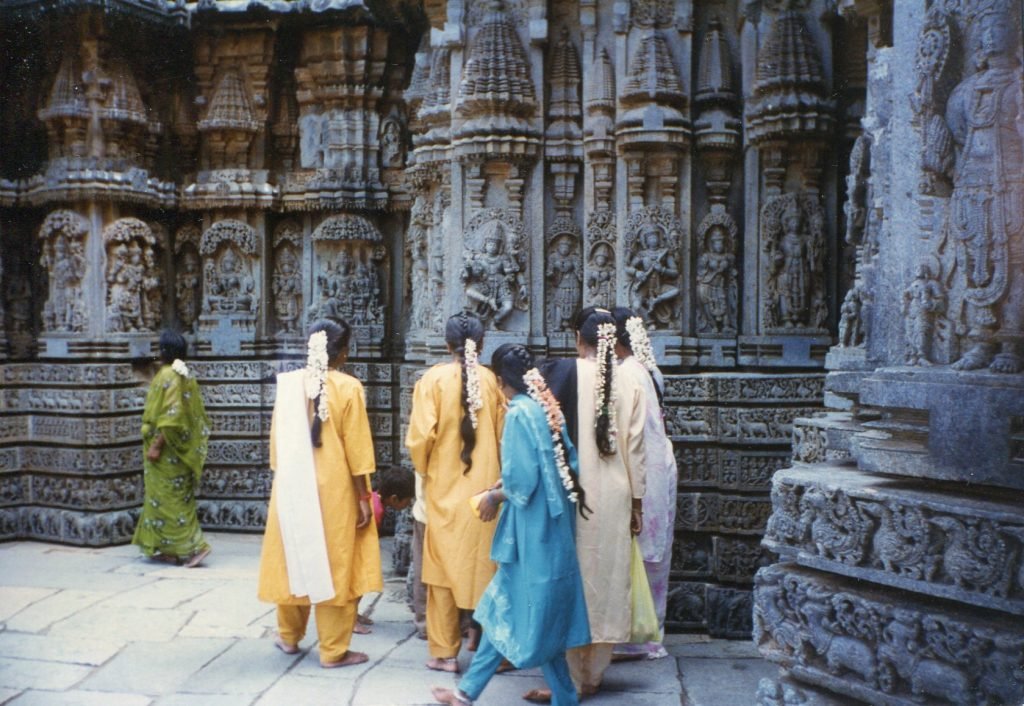
This is why the information in them is considered important enough to preserve. As with stories and shared histories, the context makes the information relevant, and the whole cultural landscape creates much of the context.
Canonical artworks and art forms: Like stories, they often have many meanings, and new interpretations of them emerge as times change.

Ceremonies: Births, weddings, funerals, and religious celebrations like Christmas and New Year also help societies to cohere. They form memories that people share, and artists produce works for them.
Emotions: Different cultures construct emotional patterns in diverse ways.
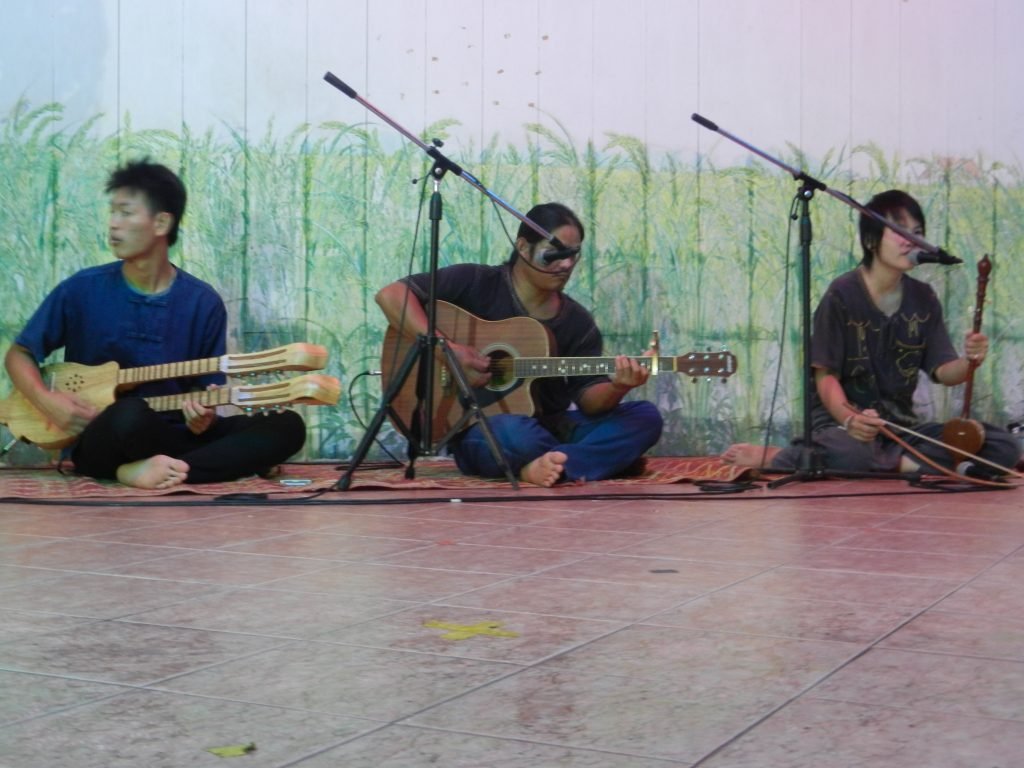
Music: From Christmas songs to Indian ragas, music is often a key part of ceremonies. People don’t just process it as information; they collectively perform it, emotionally respond to it, and incorporate it into their lives. They dance to it, woo each other with it, and use it to remember the good old days when they age.
Bodily experience: Movement is central in many arts, including dance and rituals, and it deepens collective experience. Hugging, sex, and other types of affection are also central in most societies.
Common objects: Family Bibles and Sukhothai Buddha Statues are examples of things that people in different cultures live with on a daily basis, which impart aesthetics and values. They’re more than objects and bits of information because they convey meanings that reflect the whole cultural environment.
Values: Thai etiquette and 15th century Florentine commerce helped shape their societies. From ancient Greeks to today’s Americans, many Westerners have been proud of their freedom.
Integrating ideas: Westerners have often held permanent ratios and geometric shapes as fundamental. Medieval Europeans often treated the great chain of being as an integrating idea. Many Southeast Asian societies have integrated their worlds with ideas of religious and political centers that both project and tame animated energies.

Purpose: People have ideas of what the goal of life is, whether it is to achieve a higher birth or nirvana, as many Hindus and Buddhists feel, or to forge their places in the world as individuals. A culture helps shape these goals, and people teach their children to strive for them.
Families: We’re not separate nodes that merely process information; we grew up in families. The bond between parent and infant characterizes the environment in which people first become conscious, and Jerome Bruner noted that infants imbibe many of their cultures’ traditions from their parents. Relationships with siblings, grandparents, aunts, and uncles are also important in many people’s lives. Affection and feelings of belonging are usually first experienced in families, and psychologists say that both needs profoundly influence personality development.
Childhood: People don’t begin life by being booted up as fully grown adults. The psychologist Erik Erikson wrote that childhood is a key part of personality development and culture. Children see parents and other elders as role models, and relationships with these elders have strong formative effects on the personality. So do many childhood friendships.

Relationships between genders are also fundamental, and many stories, ceremonies, and popular songs dramatize them. Romance, sexuality, marriage, and gender-based roles are key aspects of human experience and cultures’ values.
Humor and play are common in cultures all over the world. Not all meanings that people share are literal and factual. Fun often involves bending or temporarily suspending rules, and it strengthens human relationships. Many of people’s most cherished memories are of good times they had with others.
Physical meeting places: Southeast Asian markets, Thai wats, and Italian piazzas are places where people learn about their cultures.
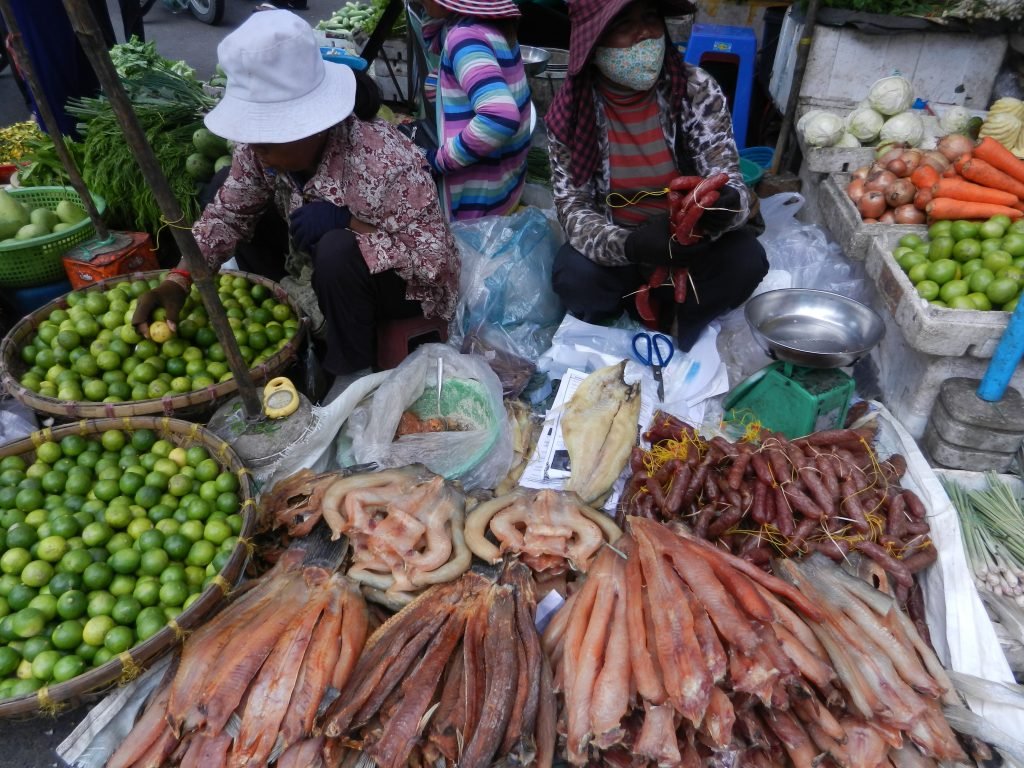
Children go to them, first with their parents, and they see examples of how to behave. Canonical artworks are often displayed in these places, including Michelangelo’s David and Buddha statues from Sukhothai and Lan Na.
The natural environment: This has helped shape cultures’ shared experiences since homo sapiens emerged.
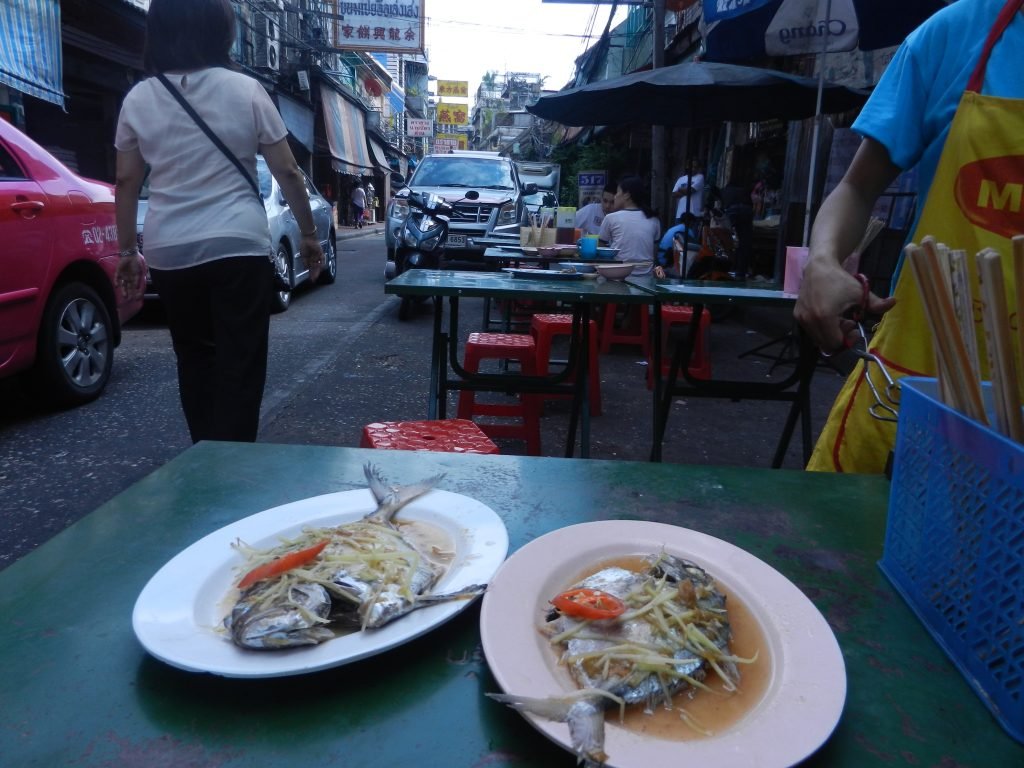
Cuisine: Eating together is one of the most common ways in which people bond. It’s often a central part of weddings, business relationships, and many religious ceremonies. And cuisine often reflects the cultural landscape that it originated in (Thai, Chinese, Indian, Persian, and Italian food are excellent examples).
People have used all of these experiences to integrate their perspectives, societies, and personalities. All facets together have characterized our lives. This wholeness, with its multitude of facets, has always been our shared humanity. Our human bonds are multi-dimensional, and they’re integrated with all places, times, and media. We can keep looking at/with/beyond all these aspects of our human identities.