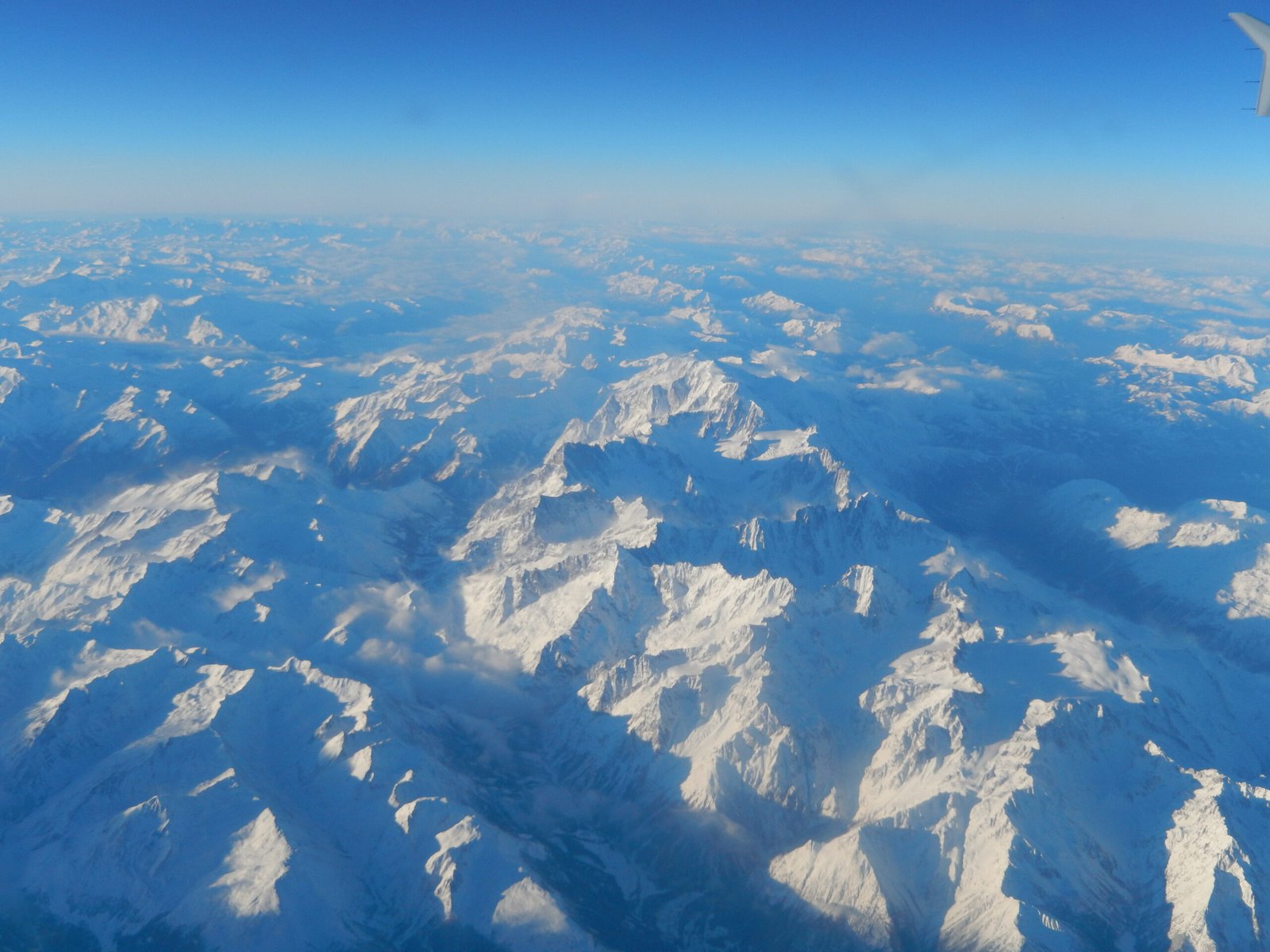
We’ll explore some ways to mix looking At, With, and Beyond so that your perspective will always expand without a final stopping point so that your view of the world will continue to grow richer.
One way is to shift between looking At, With, and Beyond with balance. For example, as you shift from At to Beyond, you can balance both to avoid calling your culture or any other the totality. And as you look Beyond, you’ll have a wide choice of cultures to explore, and they can be relatively similar (from America to England) or widely different (from America to Amazonian Indians or New Guinean societies). You can thus balance the shifts between similar and highly different cultures.
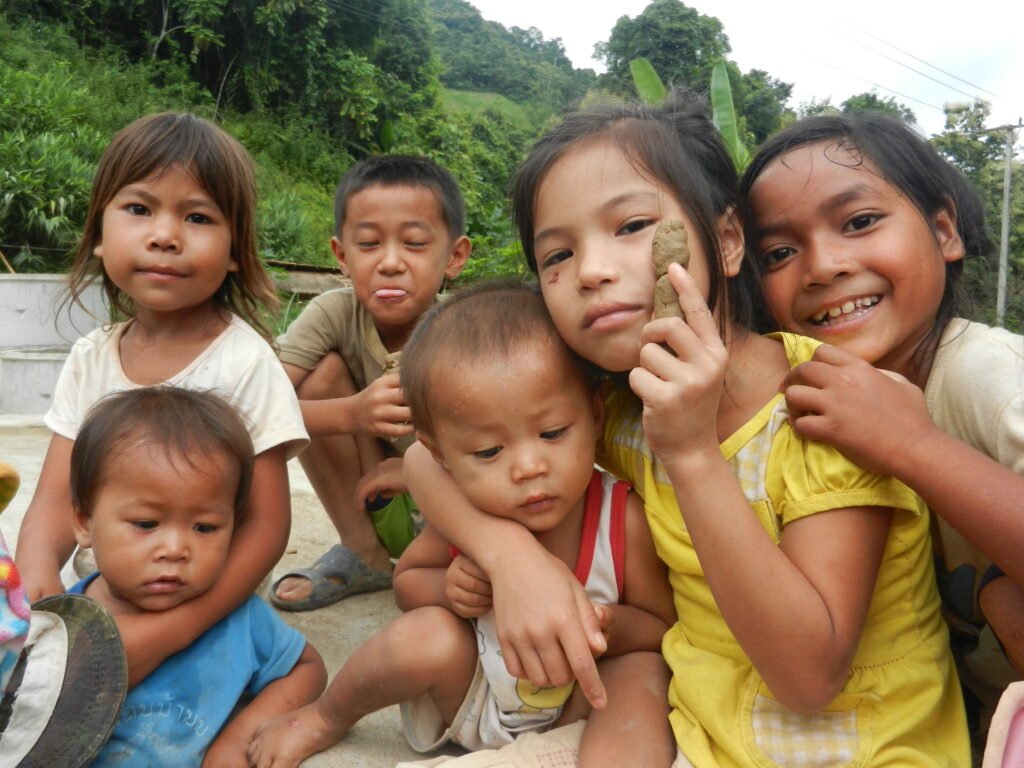
The idea of balance can also be used to alternate between looking At and With. You can look At the world according to your traditional ways of thinking for a while and then examine your past thought patterns to gain insights on how your ways of thinking emerged. You can be more reflective about your thinking and learn why you’re emphasizing certain concepts and applying them to certain phenomena.
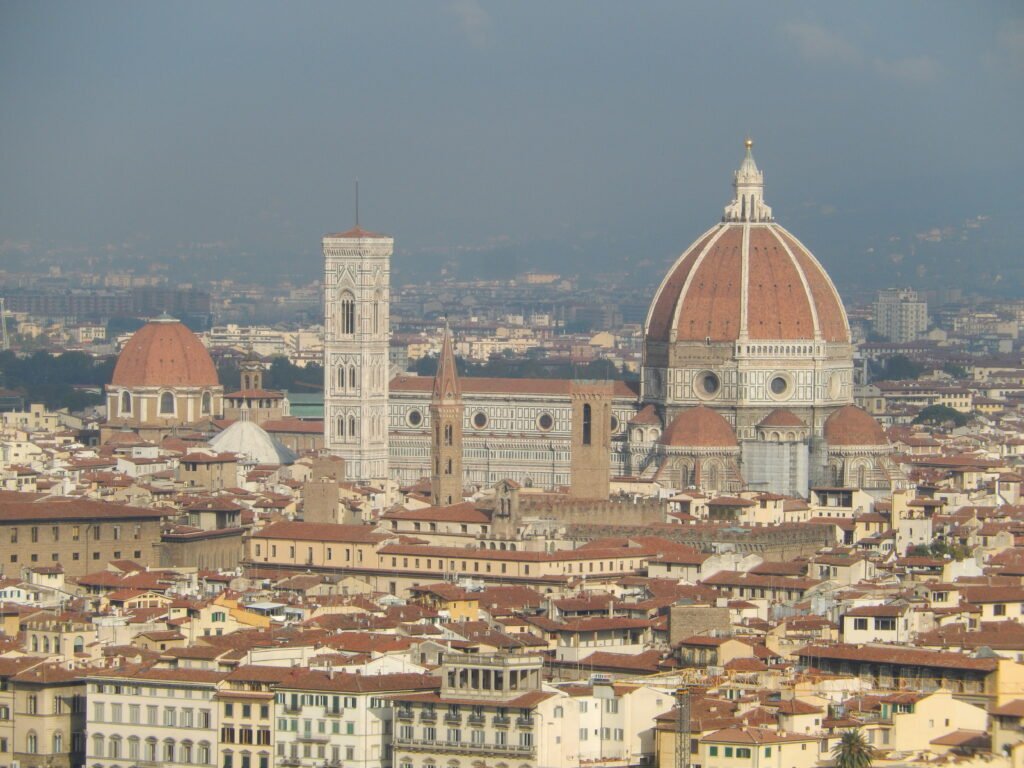
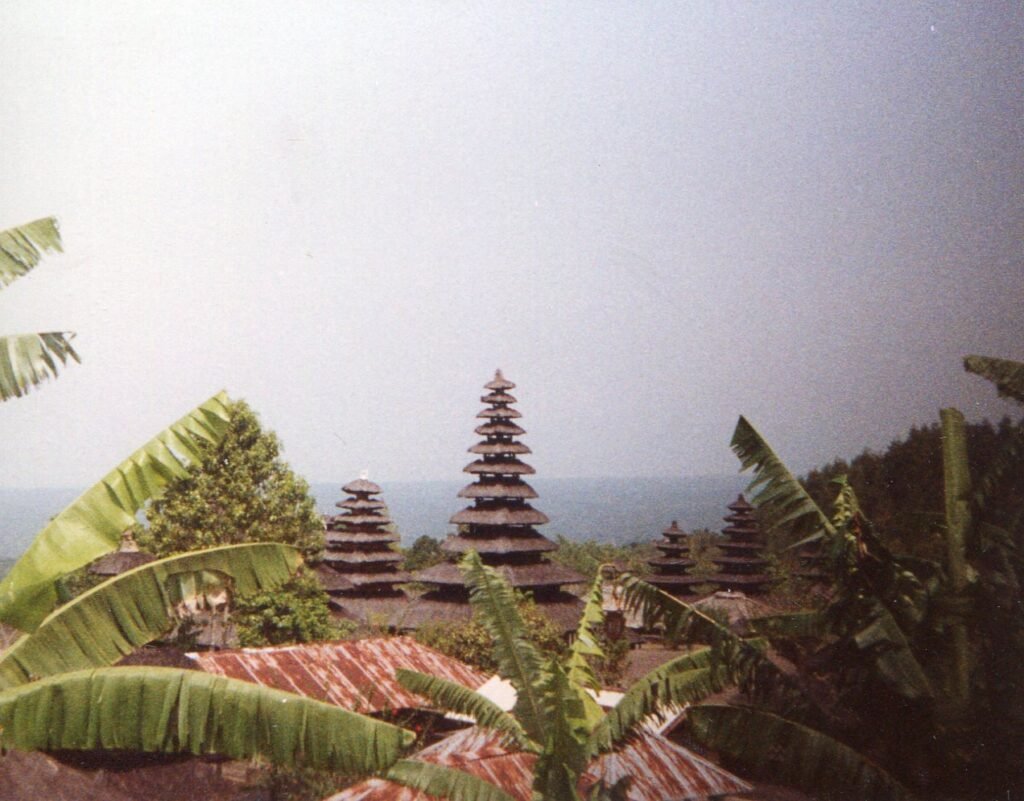
If you’re Western, you can appreciate ways that the Italian Renaissance helped to shape your perceptions and ideas. You can then look outward again and see things in enriched ways, such as this temple in Bali.
–or this mosque in Cairo.
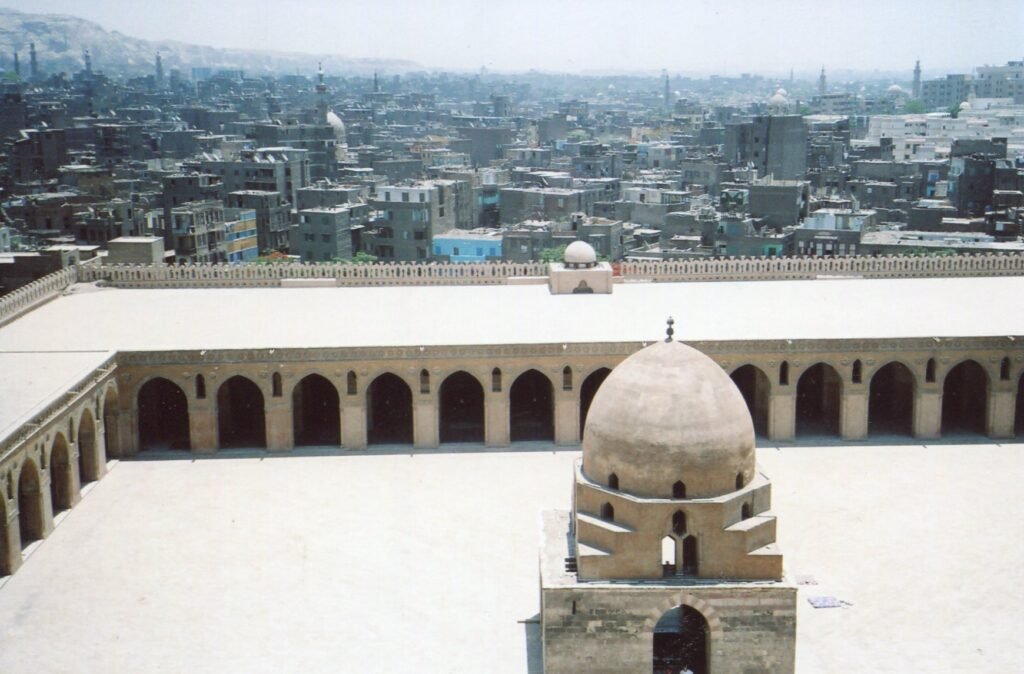
So balance between ways of looking At, With, and Beyond can be created in many ways, including:
- Shifts between looking At and With.
- Alternations between looking At and Beyond.
- Shifts between similar and highly different cultures as we look Beyond.
- Shifts between the present and the past.
- Alternations between near and distant pasts.
- Shifts between proportion and exuberance. For example, you can time your shifts so that they’re roughly equal in duration (e.g., studying Western civilization for three months and then exploring Chinese culture for the same amount of time). You can then quickly leap between many cultures.
- Vastness and smallness. You can see connections across human-sized domains and then across vast reaches. I enjoy delving into the histories of towns in Silicon Valley, where I live, and the Images of America series of pictorial history books visually brings their pasts to life. Its series of books on Detroit and surrounding towns enables me to see the visual environments that helped shape my parents’ perspectives as they grew up. After a while, I leap to Asia, Africa, the Middle East, and other regions.
- Being in a group and being alone. You can balance staying within its conventions for a while with stepping out of them to see the world in ways no other members have imagined.
- Material and spirit. You can enjoy perspectives of the physically tangible world, including physics, chemistry, biology, and different cultures’ material lives. Alternating these with exploring different societies’ spiritual traditions can enable perspectives of both to continuously enrich each other.
- Abstraction and embeddedness. Modern science and modern Western academic traditions have usually treated abstraction as the most prestigious way of thinking, but it doesn’t bring you into the full richness of a culture. You have to be embedded in an African, Indian, Chinese, Southeast Asian, or Native American community to understand it well. You can alternate between immersions in other cultures and stepping back to compare them.
- Thinking and feeling. A previous article showed that different cultures can experience and classify emotions in unique ways. As you expose yourself to more varieties you can experiment with a larger range of concepts and emotions, and both can become more refined by acquiring more facets.
This large number of choices can seem overwhelming, but you can start with the ones you feel most attracted to. You can then add others after you’ve grown accustomed to them. As you become used to shifting your perspective and as you keep including more ways to shift, you can increasingly realize that there is no limit to the ways in which you can expand your horizons. And extending them becomes ever easier as you continue to look At, With, and Beyond.
These regular expansions of perspective can enable the world, the selves that perceive and think about it, and the cultures in which selves live to expose and nurture ever more of each others’ facets. Since shifts in perspective can occur in many different ways, they can be like dance steps as we vary them, and the dancing can extend all over the world. All places can leap together and further beautify each other. All times can dance together. All places and times can expose more of each other’s richness, and all people can increasingly thrive in a world pervaded by love and creative possibilities.