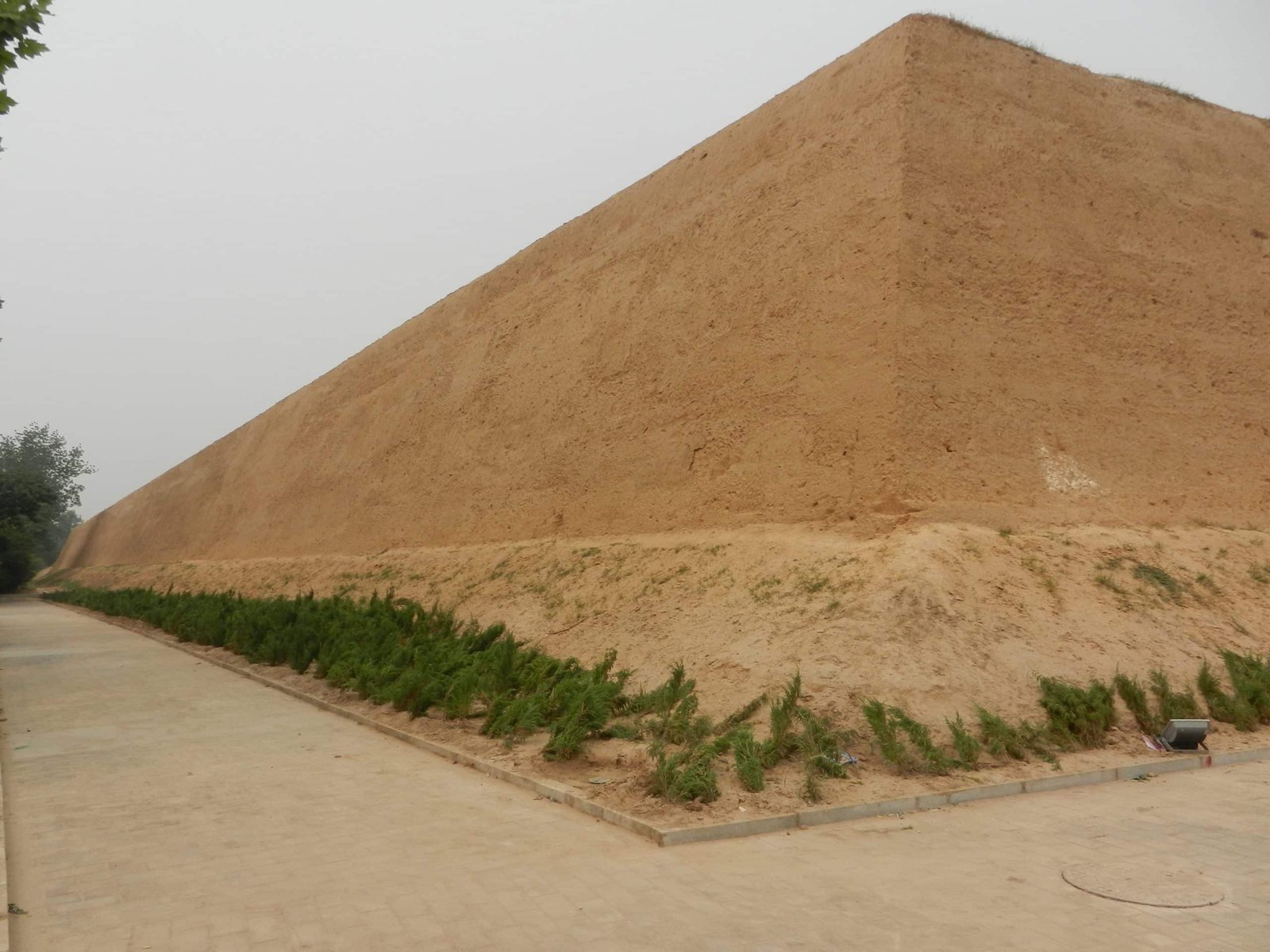
One of the best history buzzes I got in China was walking on the ancient walls of the great ancient city Zhengzhou. The wall in the above photo is actually a reconstruction, but this shot shows you the grandeur of this more-than 3,500 year old city during its green years. Zhengzhou emerged as a capital when the Shang Dynasty overthrew the Erlitou culture and gained control of the Yellow River’s central plain. This happened a little before 1500 BCE–the more famous Late Shang city at Anyang was made the capital around 1300 BCE.
In contrast with Anyang, there’s no convincing evidence that the kings at Zhengzhou used writing, but historians have noted that Anyang’s writing system is so mature that it might have had a long formative period. Whether Zhengzhou’s elites used writing or not, what they did was amazing enough, and it has profoundly influenced Chinese culture ever since.
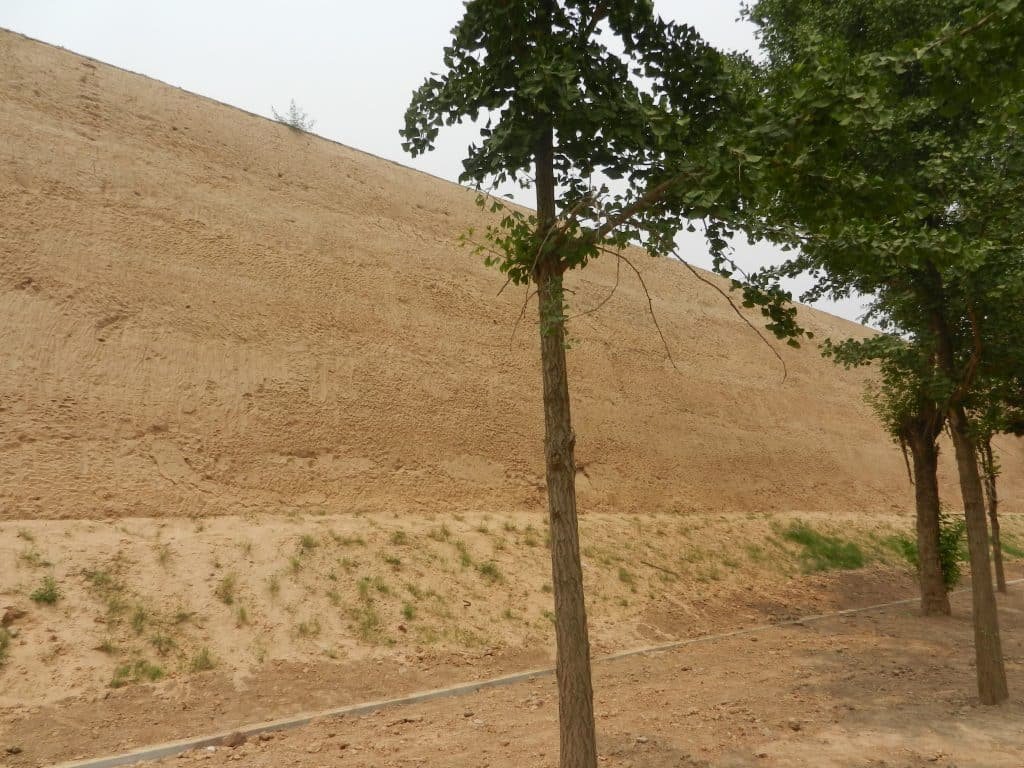
Zhengzhou was one of the largest cities the Chinese built before the Shang capital at Anyang. Its roughly square walls have a 4.32-mile perimeter. They were built with the already old hangtu (rammed earth) method. Wooden planks found by the walls suggest that wooden terraces bracketed the walls as they went up–thus the steep slope on the outer side. Their foundations are between 60 and 100 feet wide.
People in the Longshan culture (which existed from about 3000 BCE to about 1900 BCE; it became the largest network of societies in central China) built several fortified towns in Shandong, Henan, and Shanxi, and they constructed some with rammed-earth walls. Chinese used hangtu as a way of building city walls and palaces’ foundations. People piled earth between wooden frames and pounded it firm with bundles of sticks or the ends of poles. This was arduous labor-intensive work, but it created strong foundations and defensive systems. Many more constructions during the Shang and Western Zhou dynasties were built with this technique. These constructions required a strong centralized authority to marshal all the labor.
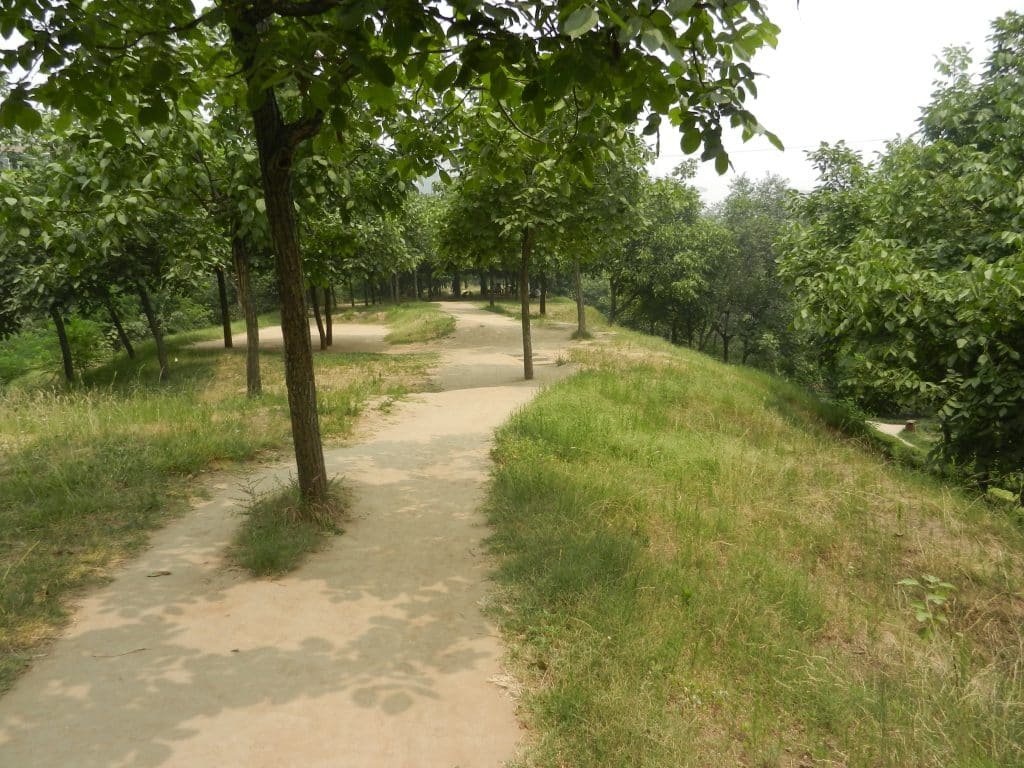
Here’s a shot of part of Zhengzhou’s unreconstructed wall.
The northeastern section of the walls was where the elites lived. Archeologists have found more than 20 large hungtu foundations and several more foundations of what were probably big homes. The largest palace measured 213 by 45 feet, and it had 9 rooms and a surrounding corridor.
Almost 100 sacrificial human skulls and several rows of sacrificed dogs were found within the palace section. Most of the human victims were young men. Kings at Anyang later greatly increased the number of human sacrifices.

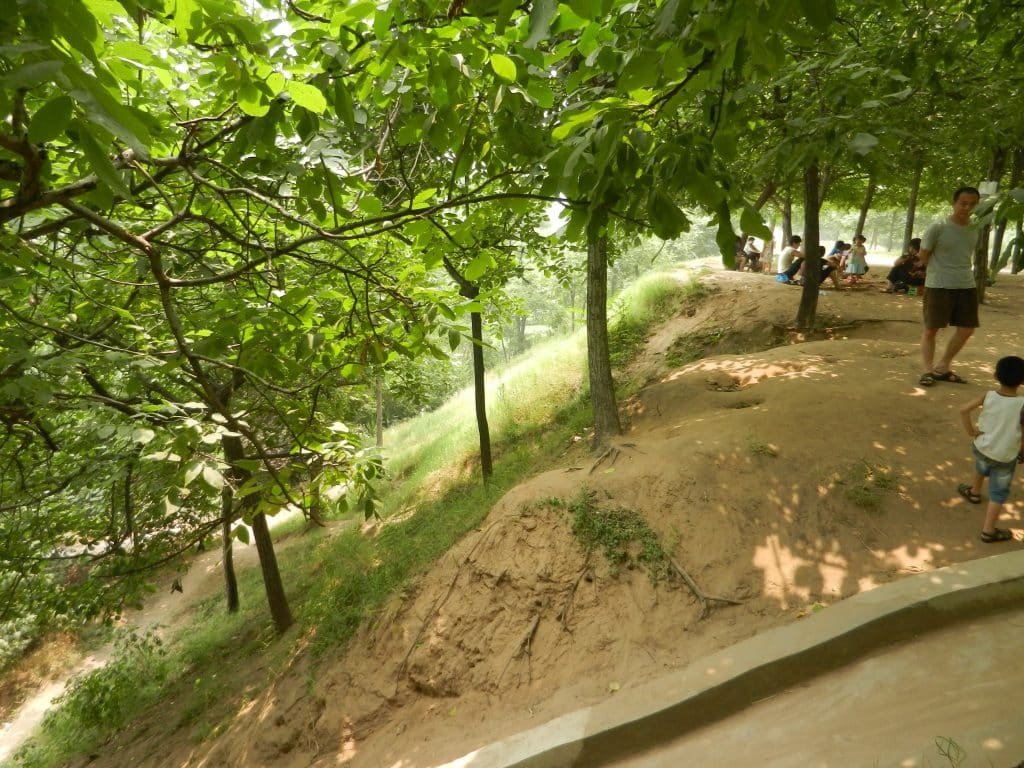
About one third of the enclosure still runs through part of the modern city. Its sides and top are now worn, but I still found them imposing enough to feel a bit immersed in the Shang Dynasty. The section that I walked on rose between lines of drab modern apartment buildings, and locals were relaxing under trees growing on top of it, enjoying relief from the baking summer heat (many common folks in central China in Shang times lived in semi-subterranean houses with wattle-and-daub walls and thatched roofs, while others built surface structures with solid walls and one or two chambers). The wall imparted a strong feeling of collectivity; everyone’s experiences were within the same community, under the same authority, and sharing a common fate. A feeling of local intimacy under an incontestable political ruler pervaded the area as it must have in Shang times.
Many workshops and residential areas have been found outside the city walls, including several bronze foundries, a bone workshop and a pottery workshop. Locating the workshops outside the city walls would have protected the good folks of Zhengzhou from fires and pollution.
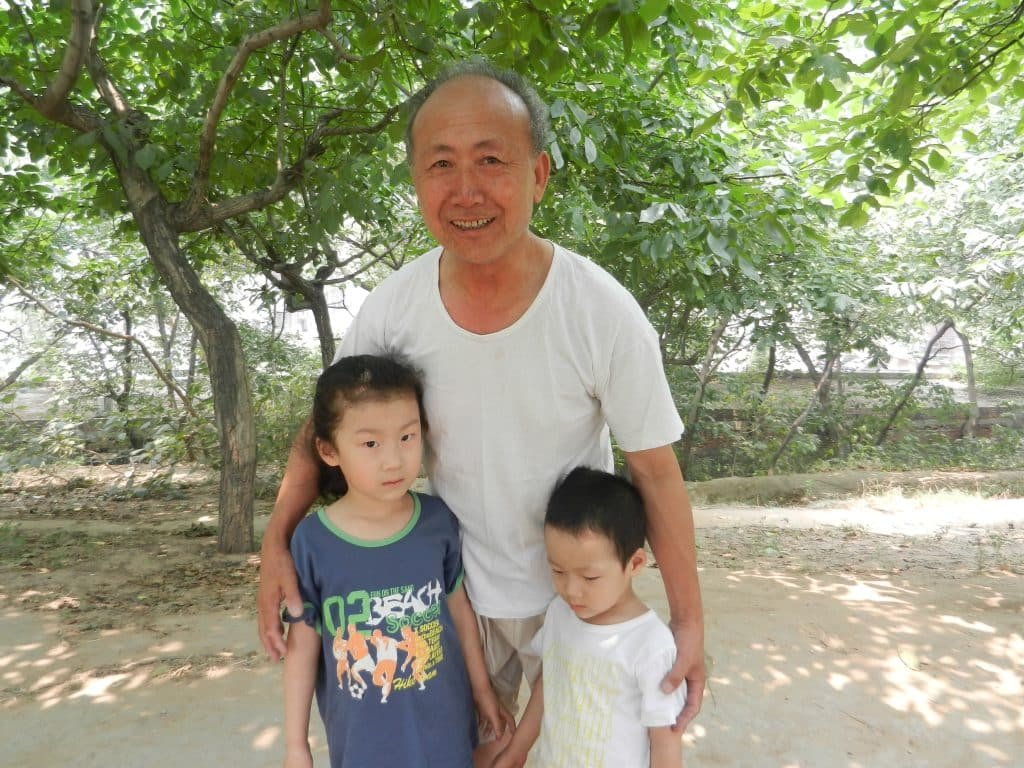
From dad-
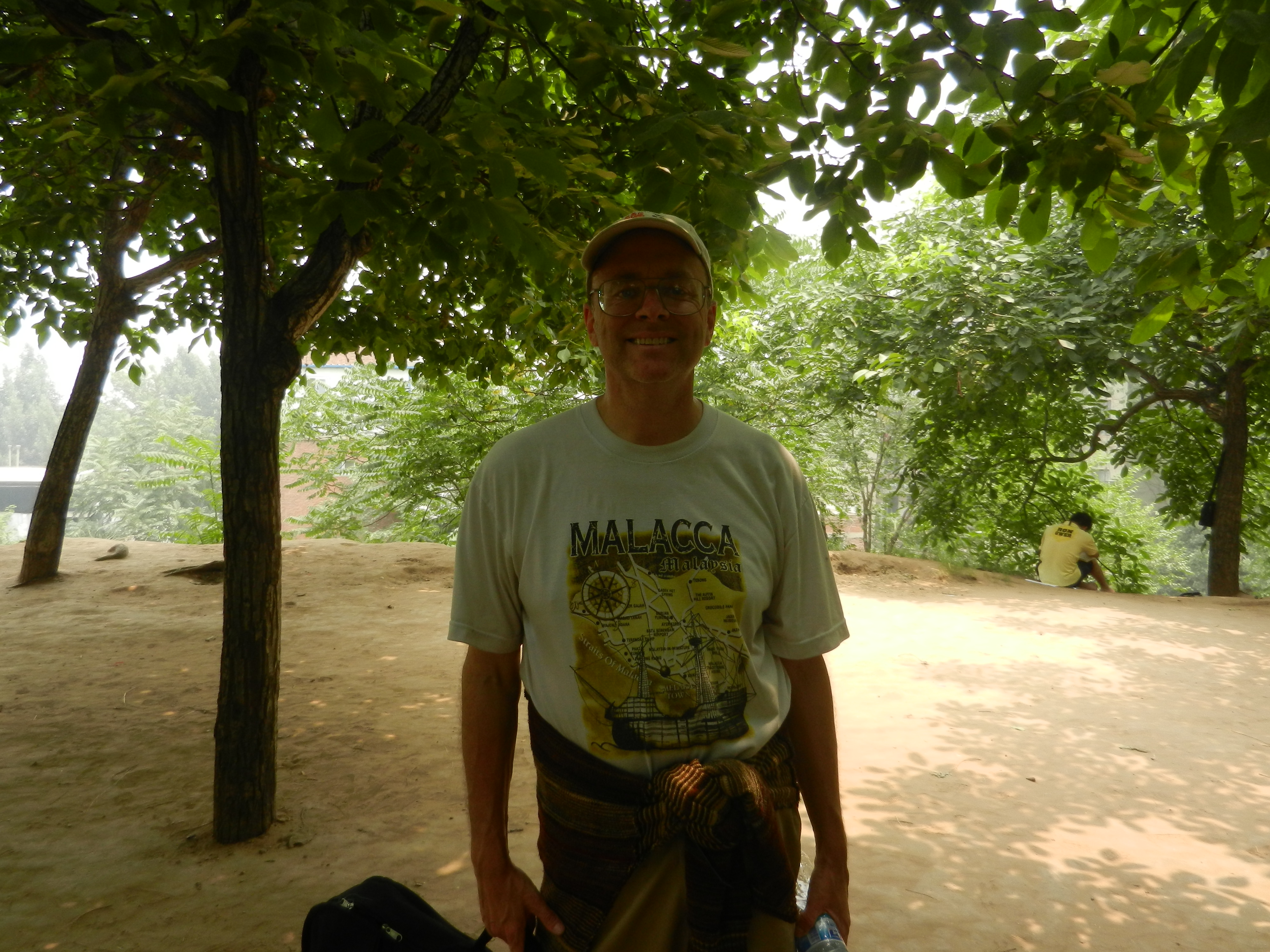
to dude, everyone on Zhengzhou’s walls was mellow on that sultry summer day. But the ancient kings seem to have run the city in an orderly way. It would have hummed with artisans, guards, farmers, royal messengers, and untold numbers of builders.
Here’s a shot of the area around a gate.

Eleven openings have been found in Zhengzhou’s walls. People lugged goods from these gates to many surrounding states. Zhengzhou’s artisans were developing key trends in perspective, and their works spread through much of what became modern China. So we’ll explore some of Chinese culture’s ancient roots.
Ancient Zhengzhou greatly increased the amount of bronze making in China. Its metal industries at that time used casting. Clay mold sections were fitted around a clay core, decorations were cut into the molds, and they shaped molten bronze that was poured between them. The bronze pieces were then cooled, hardened, and assembled into finished vessels. This way of making bronzes needed a lot of manpower and centralized control. Large-scale mining, transportation, and fuel procurement required extensive management. So did the groups of artisans. All these components of vessel making were specialized, and they needed to be coordinated. No other ancient society invested so many human and material resources into metal making. Farmers continued to use stone, wood, and bone for agricultural tools until they widely adopted iron in the late first millennium BCE. Shang aristocrats were thus unique in the ancient world by emphasizing large bronze ritual vessels to unify the realm. Their ceremonies to honor ancestors were major links between social and cosmic domains. The Shang Dynasty unified the world with costly ritual bronzes, ties between the royal family and its ancestors, formal ceremonies, and royal palaces and other elites’ homes with hangtu foundations, where ritualized ceremonies were staged.
People in the Shang Dynasty ordered their world into four cardinal directions and four seasons. David Keightley, in The Ancestral Landscape; Time, Space, and Community in Late Shang China, said that several key concepts, including fang (foreign lands bordering Shang territories), wu (powers that Shang kings sacrificed to), and feng (winds), were often conceived according to the four directions.
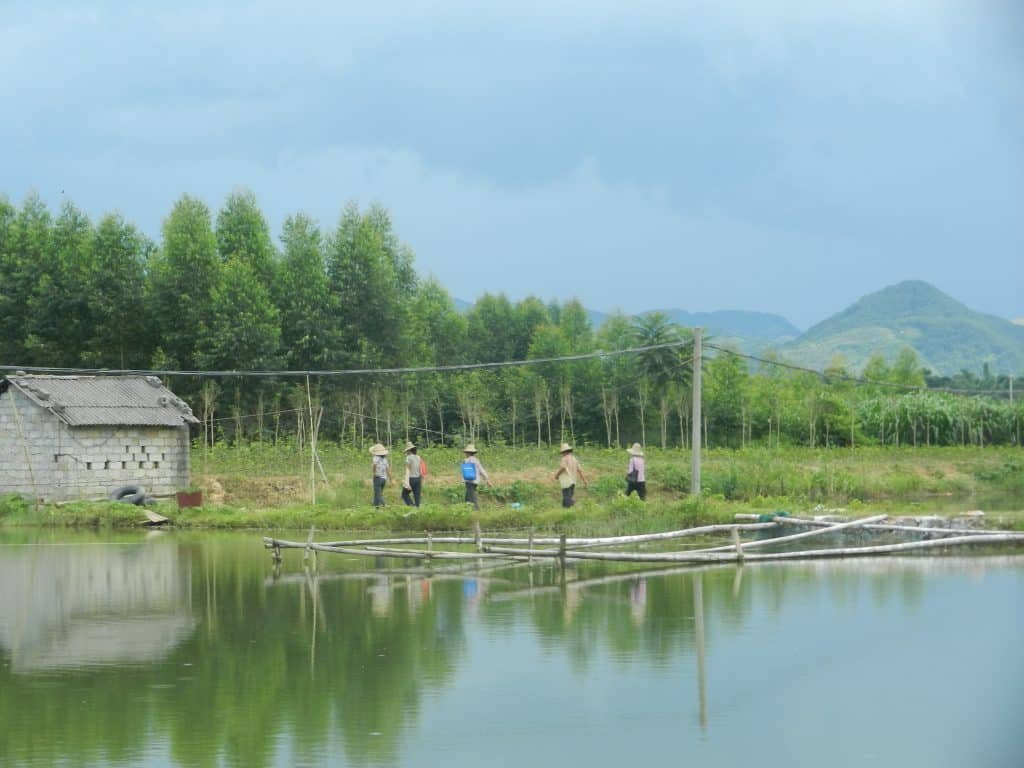
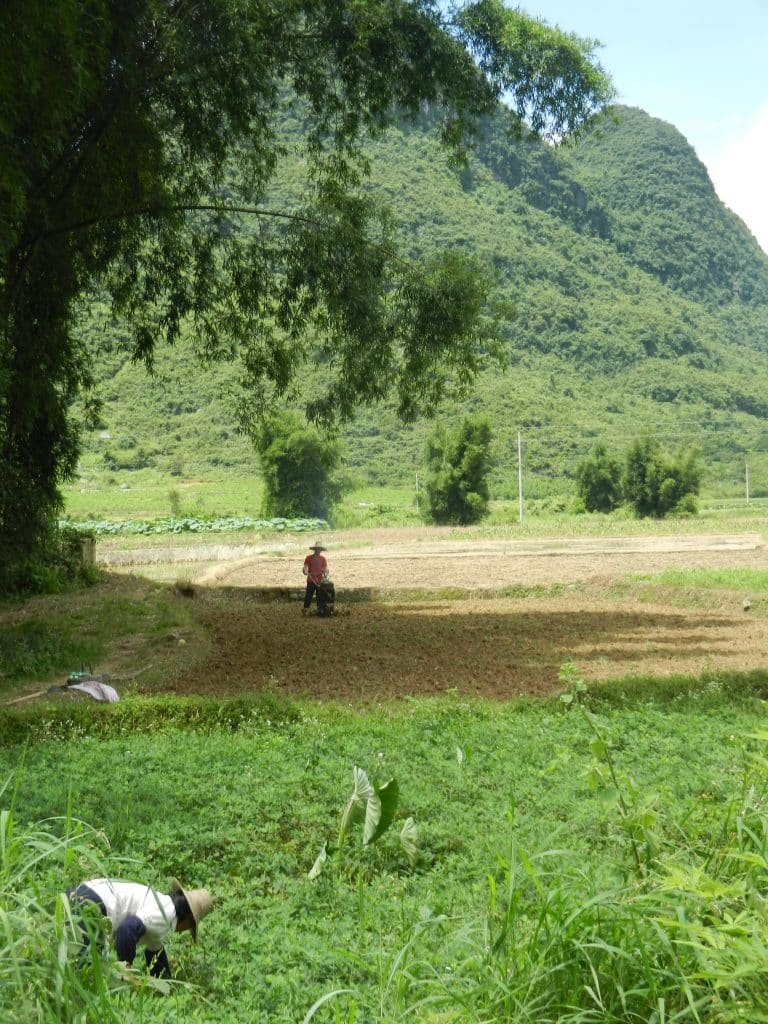
He wrote that the Shang Dynasty ruled a dangerous land. Every harvest was threatened by flood, drought, insects, disease, powerful winds, and invading enemies. The king was often on the move, inspecting his realms and displaying his power. Keightley felt that for Shang leaders, a beautiful land was a controlled one, with fields of millet ripe for harvest. Those fields were cleared of trees and brush, tilled by obedient laborers, frequently visited by friendly spirits, and ordered into the four directions.
Mark Edward Lewis, in The Construction of Space in Early China, said that the Shang state was a network of walled settlements that shared kinship ties. K.C. Chang noted that towns were often constructed as a new seat of power for the political lineage, whereas many ancient Greek towns were more spontaneous and haphazard accumulations of people from many families, which had gradually grown over several generations. Chang wrote that thousands of towns dotted the landscape during the Shang Dynasty, that they were linked in hierarchies according to political prestige and wealth, and that these levels largely coincided with hierarchies of lineages and clans.
Keightley noted that the land was abundant as well as dangerous. People had enough resources to live, so trading networks that were independent from the royal clan did not develop as much as they did in ancient Greece and Mesopotamia. Instead, kings and their personal networks held monopolies over resources (including copper and tin for bronze-making) by constructing outposts in key junctions on transportation routes, moving people to them, and exchanging resources with other societies, which held land around the Shang core area and its outposts. The state ruled the towns in its regions in a top-down system with a relative lack of independent networks of merchants and markets which could have provided alternative meanings. Resources were distributed within a political system with a well-defined central authority. People must have become used to thinking that the power of one unified political center was a necessary source of well-being. Survival during the Shang Dynasty depended on manipulating nature, working cohesively under a single authority, harmonizing with supernatural powers, and using divination to interpret them.
This convergence of ideas and experiences fertilized a friendly cultural landscape for the concepts that emerged much later in the late first millennium BCE, including systemizations of yin-yang patterns, correlations between elemental processes (wu xing) and the cardinal directions, Confucian authority, and the resonance of Confucian virtues. All expressed a single holistic field of connections which is highly resonant. Things are defined according to their places in this system.

One thousand years later, Confucians were able to use terms like li (politeness and ritual correctness), ren (benevolence), cheng (sincerity), yi (propriety), de (virtue and circulating power), and xiao (filial piety) to strengthen old assumptions about the universe as a highly resonant unity. They were able to do so because assumptions about a unified and resonant cosmos had been ingrained since the Shang Dynasty and possibly long before, in Yangshao times.
Keightley wrote that Confucian statements like, “When the family is well-run, the state will be in harmony, and when the state is harmonious, there will be peace throughout the world” resemble Shang inscriptions on oracle bones (If we do A then B will happen—”If we send out an army three days from now, it will be victorious,” or “If the king hunts on that day, the harvest will be good”). In both times, people could assume that automatic connections existed between events. People in both eras assumed that connections between different places and between different times were close.
These assumptions were well-established during the Shang Dynasty, and they have characterized thought and aesthetics in China ever since. We’ll explore some of the aesthetics in the next article. The mighty Shang kings’ influence has extended farther than even they probably imagined.