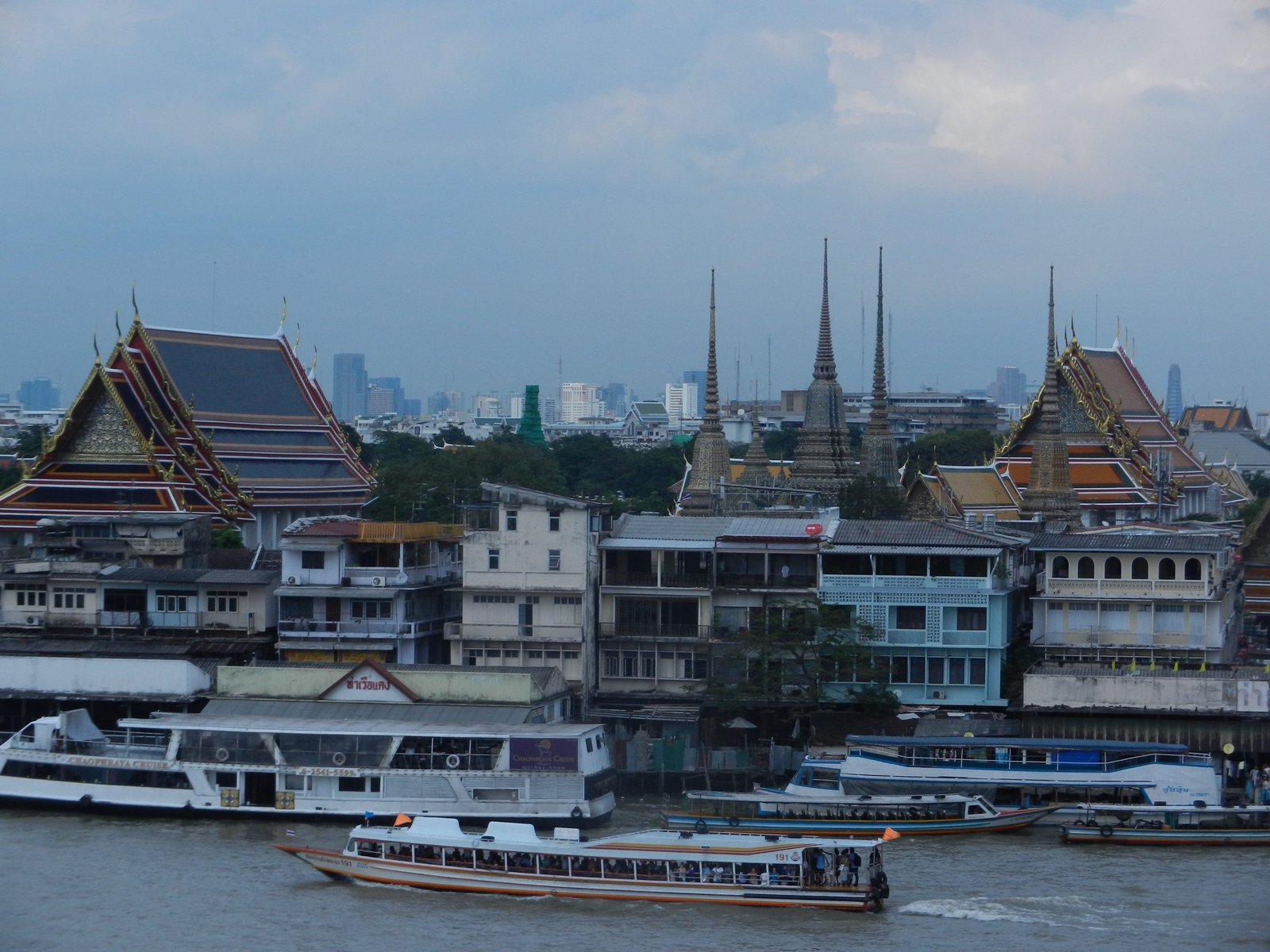
Thais needed to rebuild their world after Burmese armies traumatized them by sacking Ayutthaya, the capital of their largest kingdom, in 1767. The first king of the new Chakri Dynasty, Rama I, reconstructed Wat Pho on the site of an earlier temple. It’s just south of the palace and across the Chao Phraya River from Wat Arun. The above photo is of Wat Pho from Wat Arun. People boated between all three of these monuments, and they composed a key center of Thai Identity in the new city as it grew.
Wat Pho has the most Buddha images in Thailand. The first Chakri kings brought Buddha statues from from all over the land, including the great earlier kingdoms of Sukhothai and Lanna.
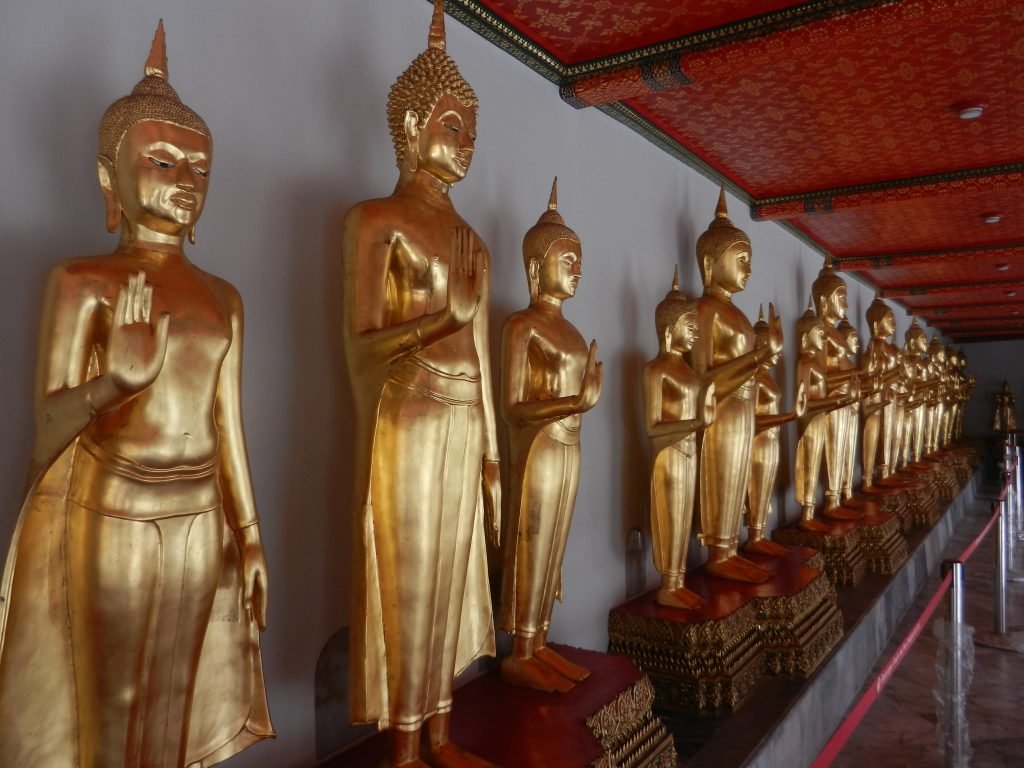
All the diverse images together represent many regional traditions in Thailand while combining into a field of grace that blesses the kingdom.
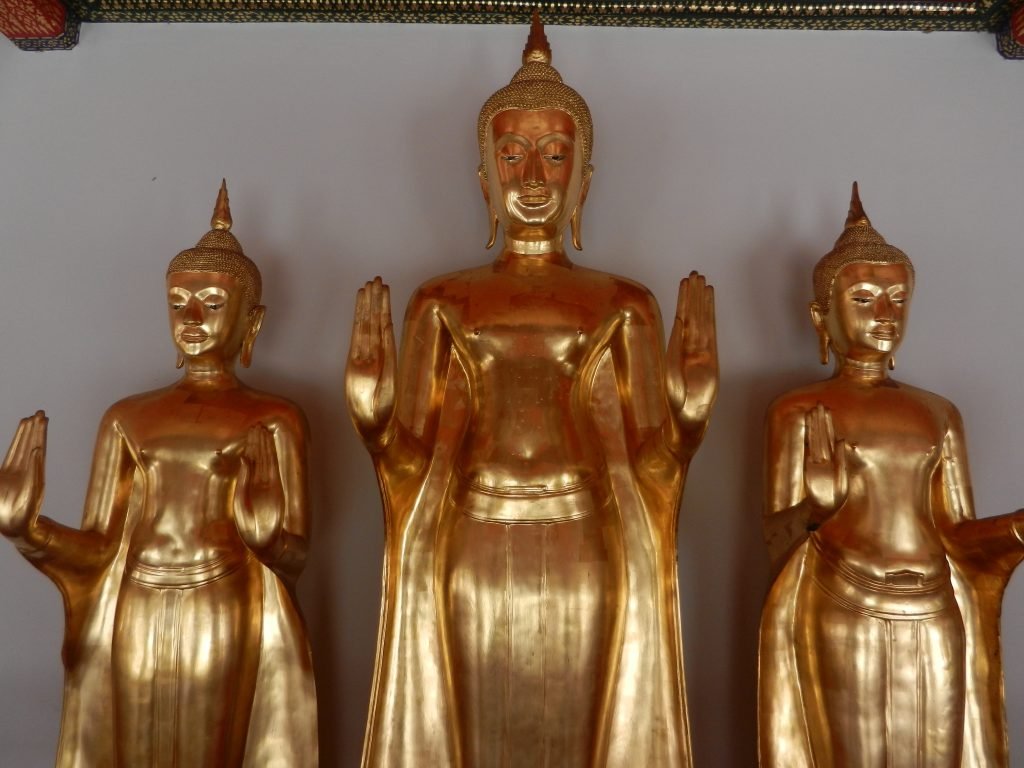
The wat houses the largest reclining Buddha in Thailand, and the main Buddha statue in the public assembly hall presides below.

Ceramic inlay on some of the buildings adds levity to the wat’s atmosphere.
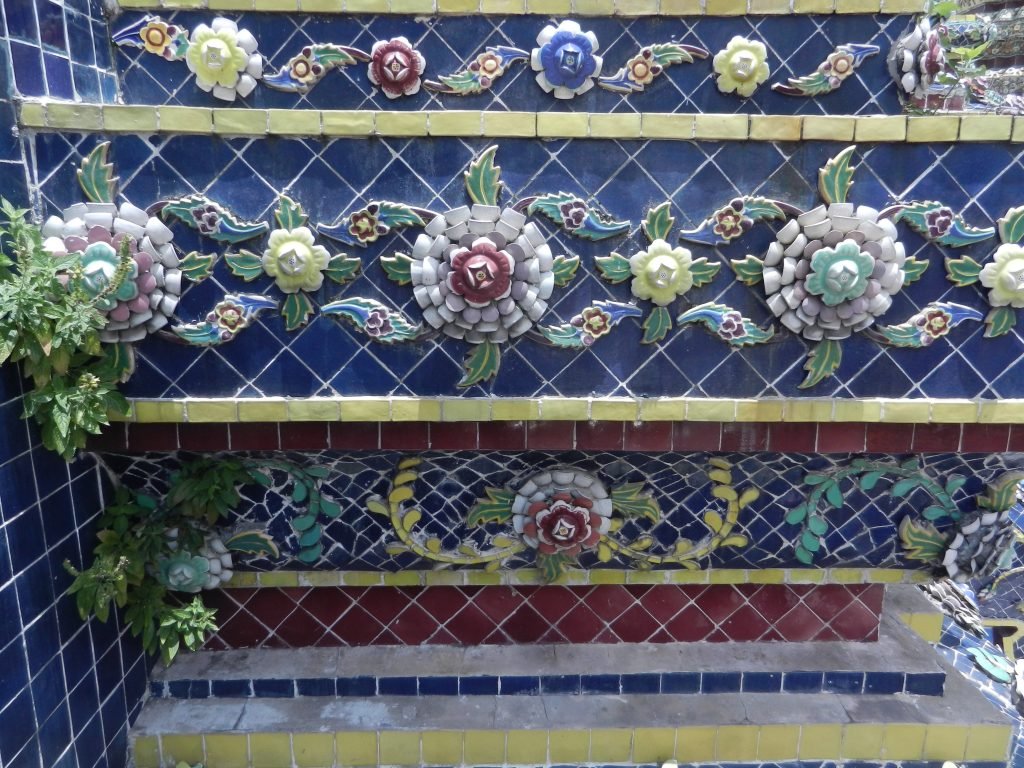
The sky was cloudy when I took these photos, since it was monsoon season, but the ceramics glimmer on sunny days.

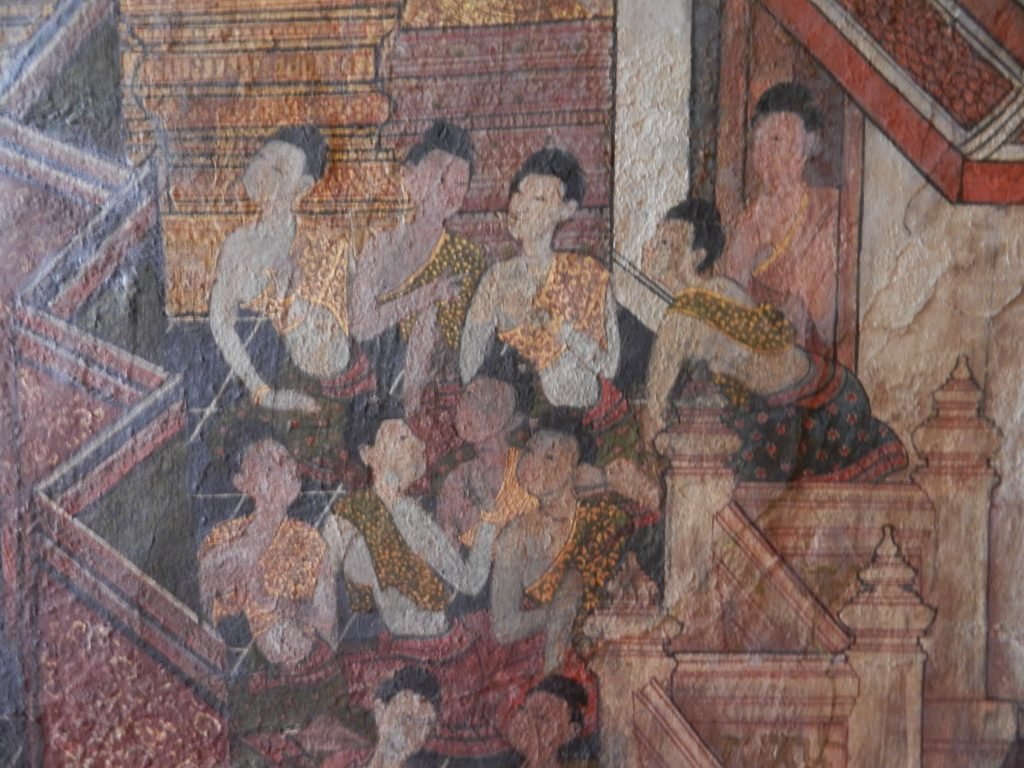
Humanistic touches were also added to some of the wat’s murals.
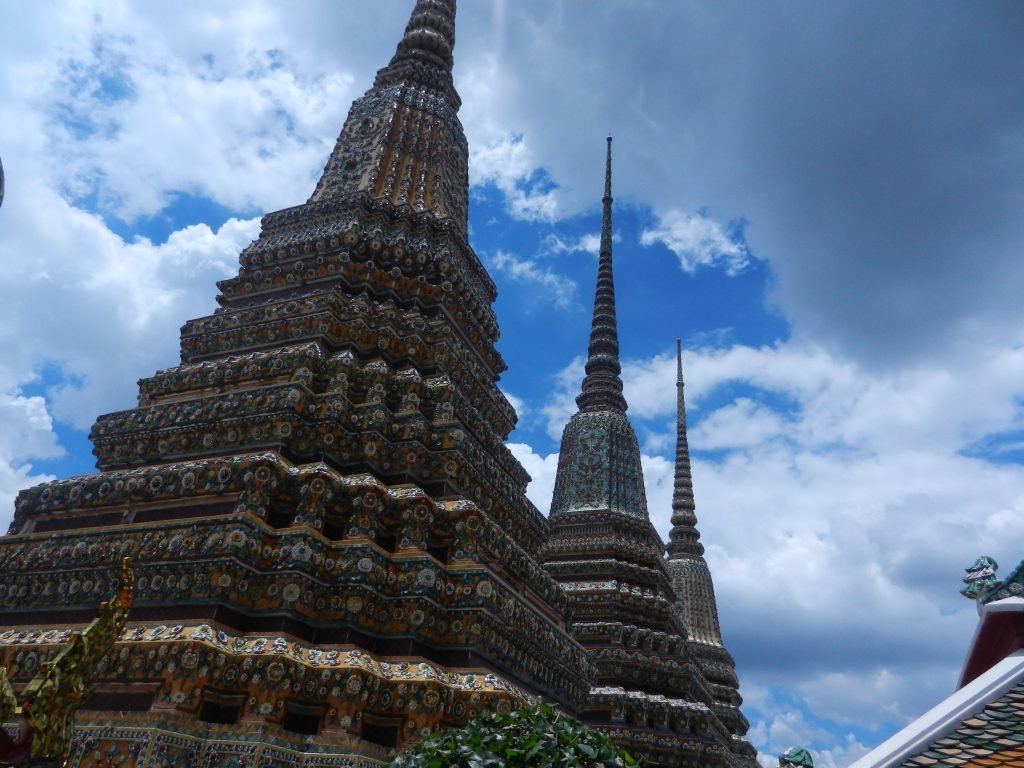
Tapering stupas honor the first three Chakri kings.
King Rama III worried that traditional Thai medicine was being forgotten, so he established Wat Pho as a center of medical education.
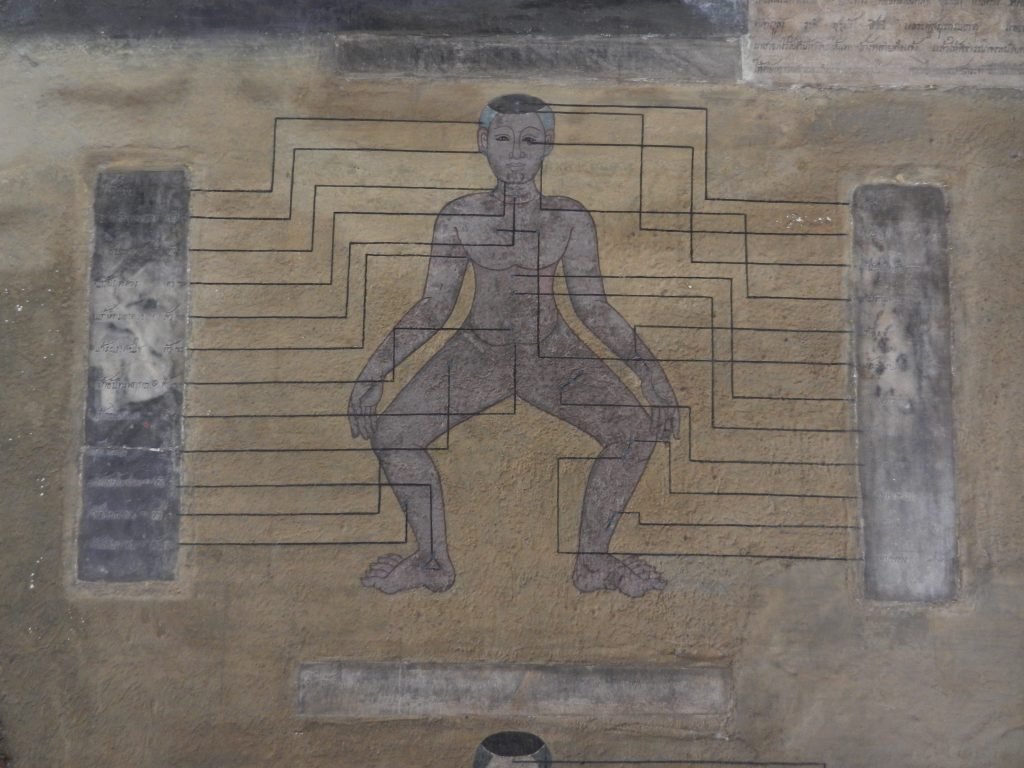
Stone images that show centers of energy for massaging line one of the compounds.
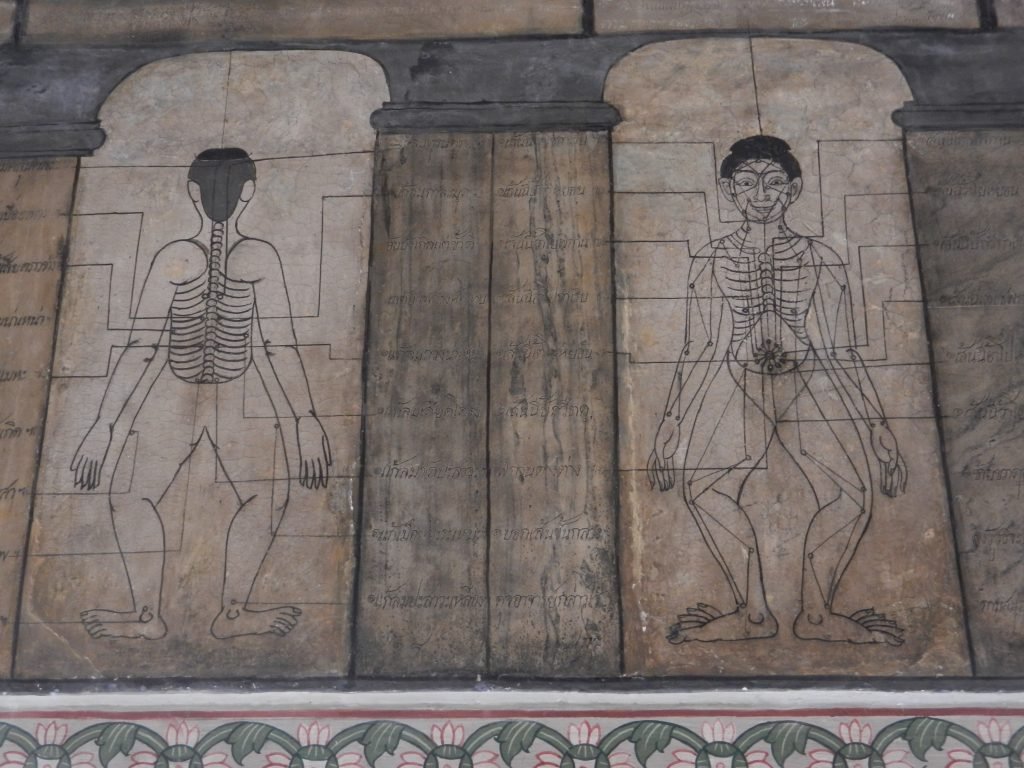
Wat Pho became the national center for teaching traditional Thai massage.
But Bangkok was diverse, as this Chinese visage at the wat indicates.
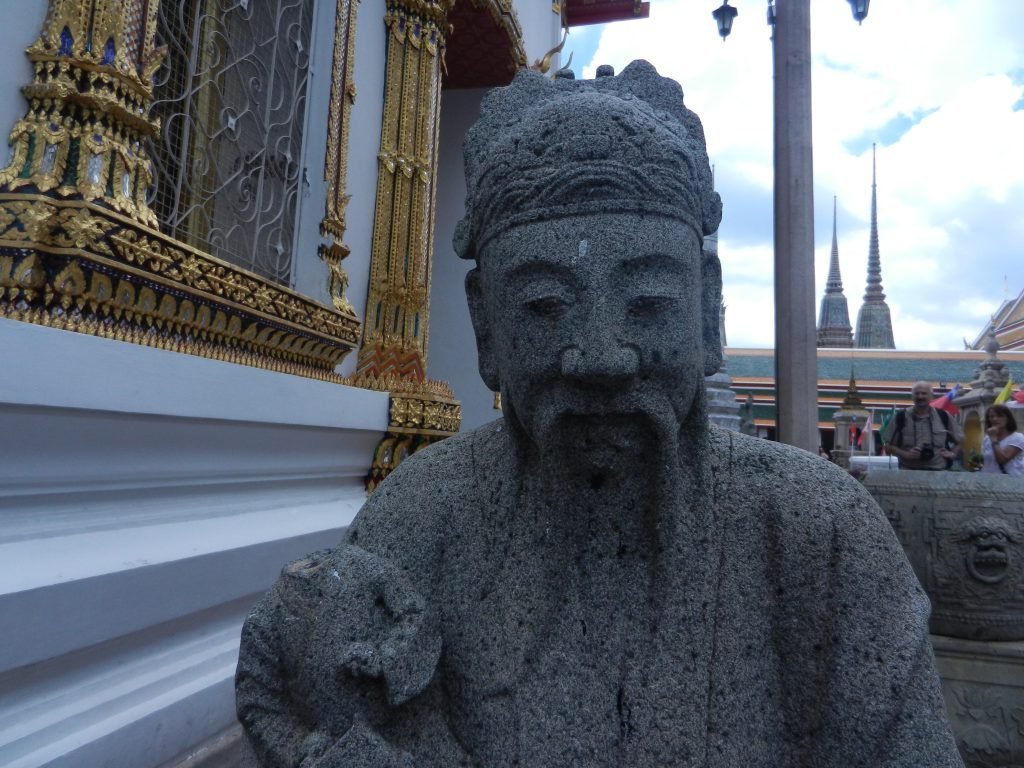
Several Chinese-influenced pagodas also grace Wat Pho.
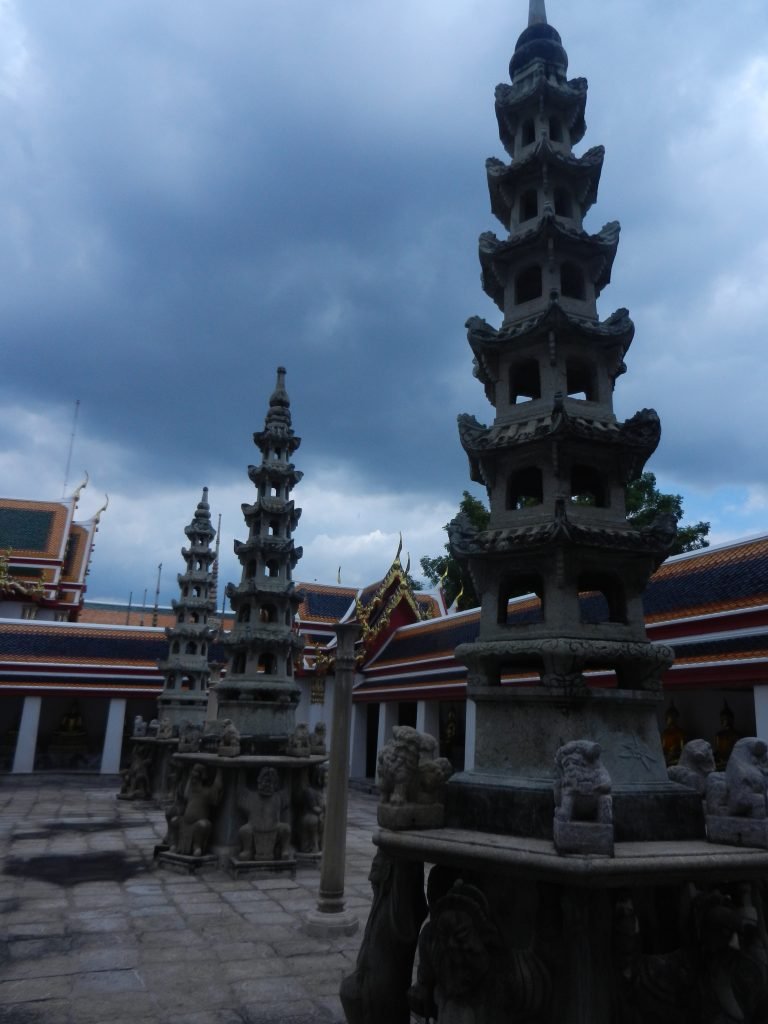
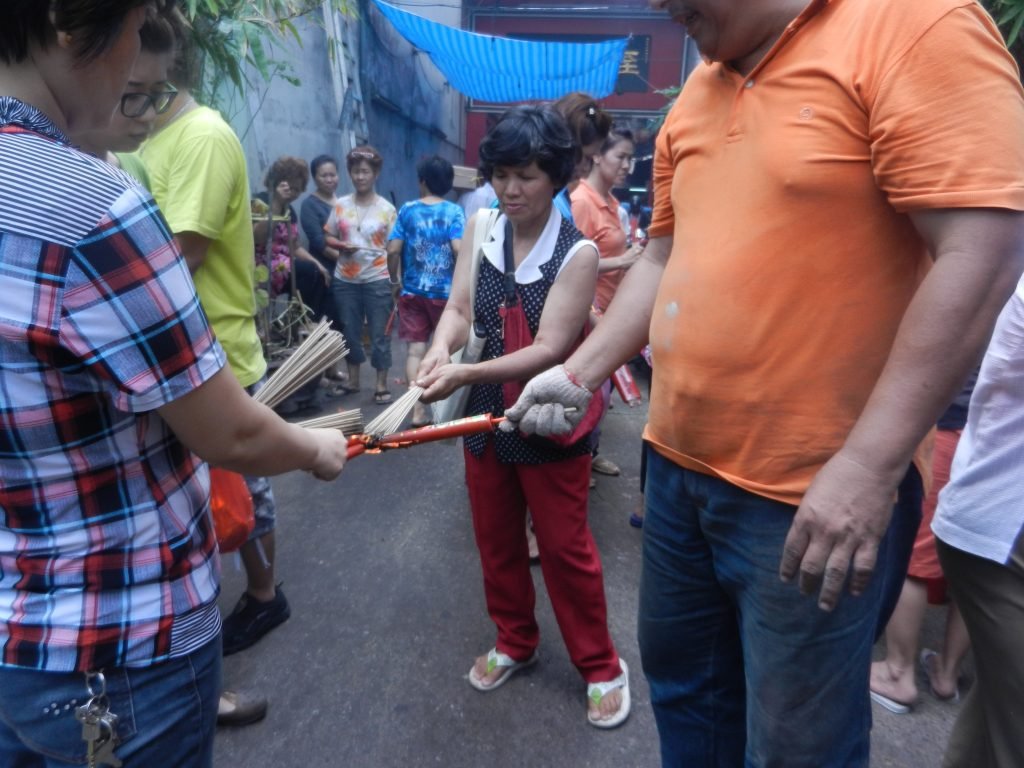
Wat Pho became a repository of Thai traditions, but it also points beyond them. The number of Chinese immigrants steadily rose in Bangkok and other Thai towns throughout the 19th century. They were especially prominent in Bangkok, and some worked for the royal court as shippers, traders, and tax farmers.
The area around and south of Bangkok was originally marshy, but its land was now being filled and developed for agriculture. By mid-century, the country was exporting 15 million tons of rice and 12 million tons of sugar. Rice exports quadrupled in the next decade. Sugar mills appeared in towns by the lower reaches of rivers. Entrepreneurship grew, and a large Chinatown emerged south of the Wat Pho/royal palace/Wat Arun area.
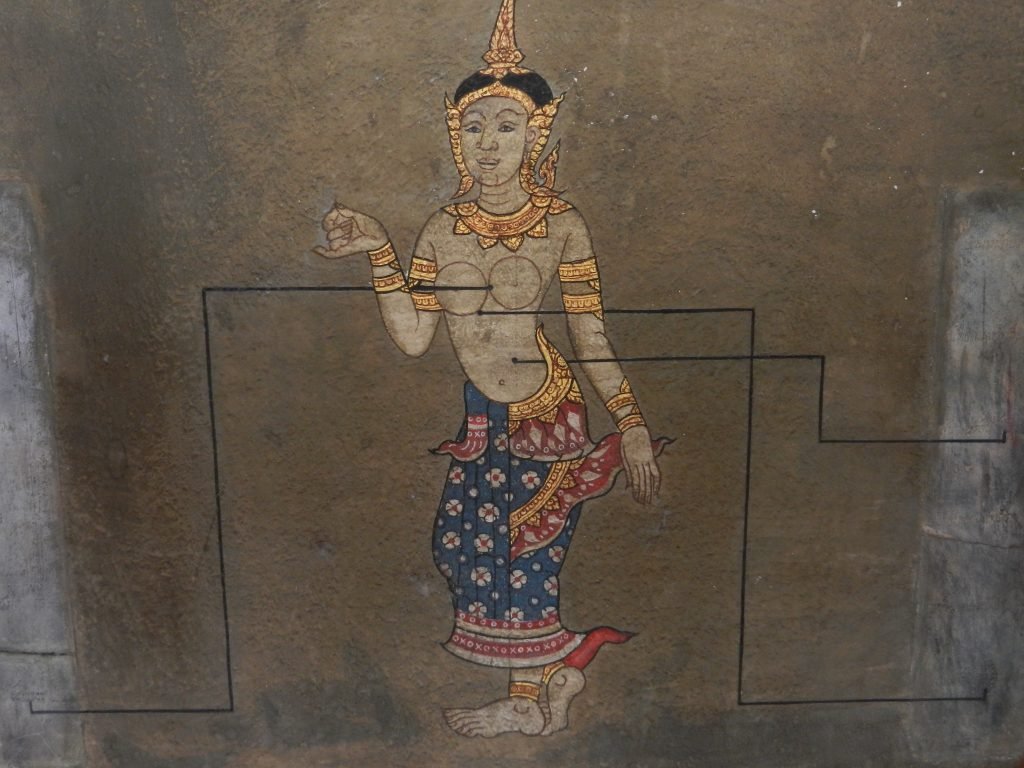
Wat Pho already looked in multiple directions while reaffirming the past. This woman on a physiological diagram stone is dressed like devatas on Angkor Wat’s walls. Khmers represented devatas in this style long before they built that great temple, at Preah Ko. They were influenced by India and earlier Mekong cultures. Thais were heavily influenced by Cambodian and Indian art, and they blended them with their own traditions.
Wat Pho also looked ahead by incorporating Chinese influences. The next article will show how culture in Bangkok went in new directions.
The field of meanings at Wat Pho is very rich. It’s an excellent place for looking At/With/Beyond to gain ever more perspectives of our world. It preserves Thai traditions and looks beyond them in multiple directions.