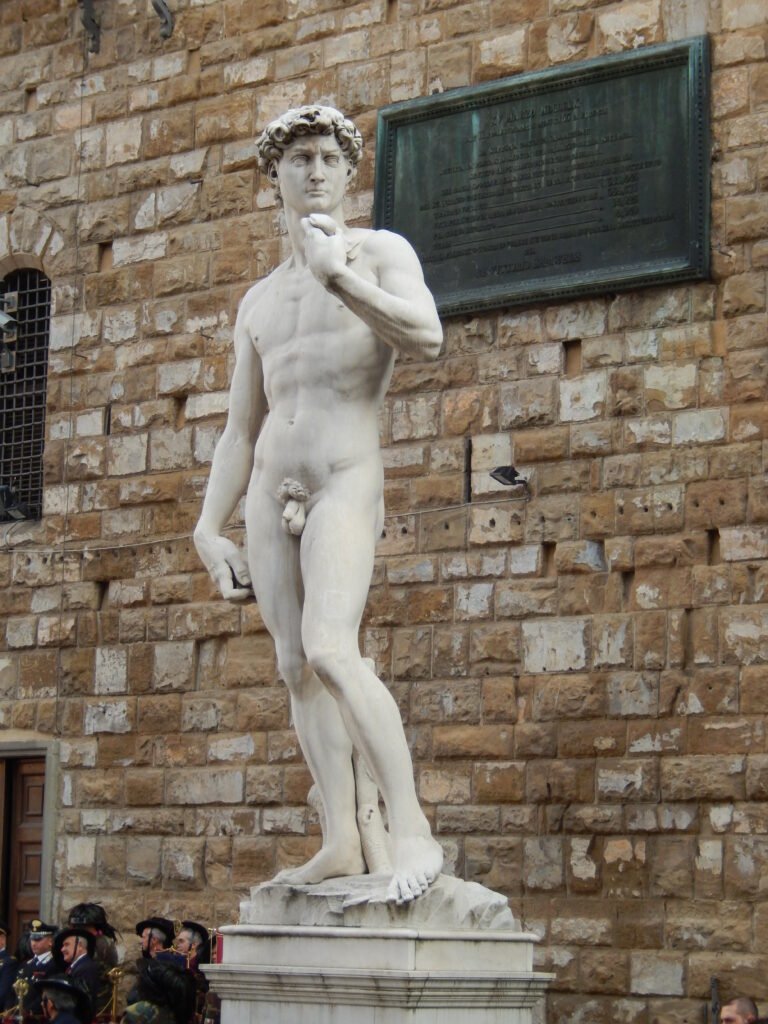
Looking At/With/Beyond combines three ways to perceive and think about the world. The first is looking At. This is conventional knowledge. You look At something according to the perspectives you’re accustomed to. A Westerner can linger over the details of Michelangelo’s David and examine every limb, muscle, facial feature, and hair curl. He can then walk around and see them from many angles. As a person continues to look At, he learns more details according to the network of ideas that his culture most commonly uses.
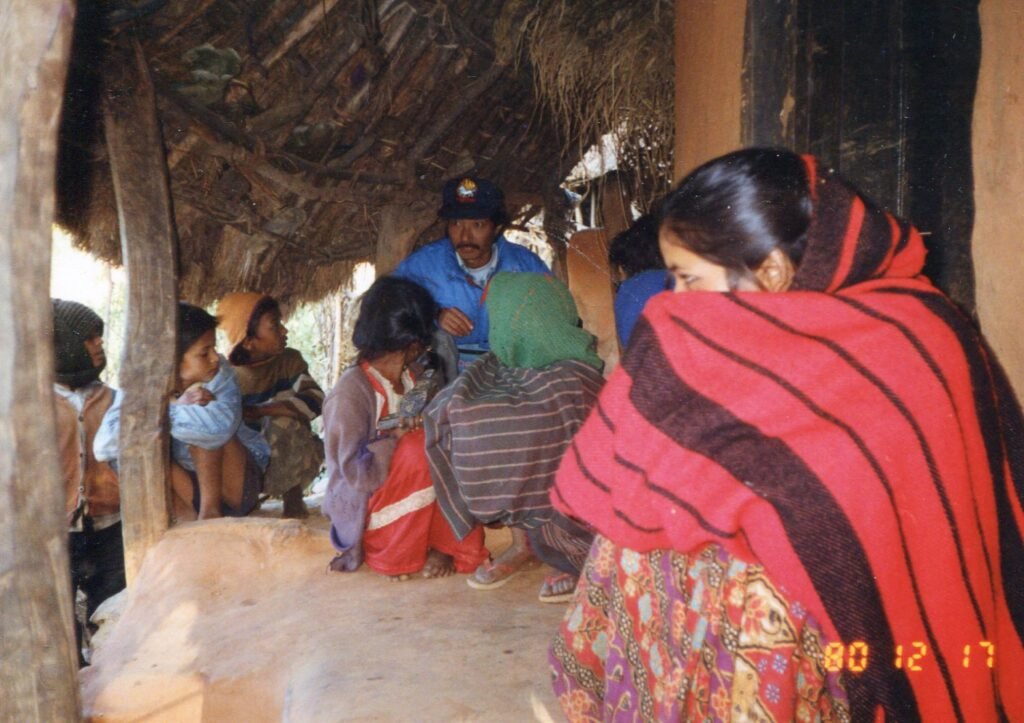
If you’re multicultural (if your parents are from different cultures, or if you have lived in more than one culture, or feel deep affinity with more than one) you probably combine those cultures’ ways of thinking. If so, this is your way of looking At—you are following the conventions you’re most accustomed to.
Academia usually looks At by adhering to its own conventions, and they have become common where the world has modernized. It focuses on facts and techniques for analyzing them, and it’s partitioned into different fields, each with its own specialized terms and techniques. But most of these conventions don’t encourage people to appreciate humanity’s full cultural diversity. Though it’s necessary to keep knowledge communicable within conventions so that everyone can share it and build on it, binding all reality to them narrows our perspectives of the world and of ourselves.
However, we can have the best of both worlds. We can use our conventions and thereby be confident that we’re standing on firm ground, and we can also be free enough from them to appreciate other experiences and ways of thinking. We can then return to our conventions, express other cultures in our own society’s terms, and see our own backgrounds from new perspectives.
The second type of perceiving is looking With. This is examining your own culture’s conventions. As you explore its historical and natural environment, you can appreciate the abundant landscape that your own ways of thinking developed in. As you look With, you can see limitless creativity and beauty in the ways in which you have conventionally perceived and thought (looking At).
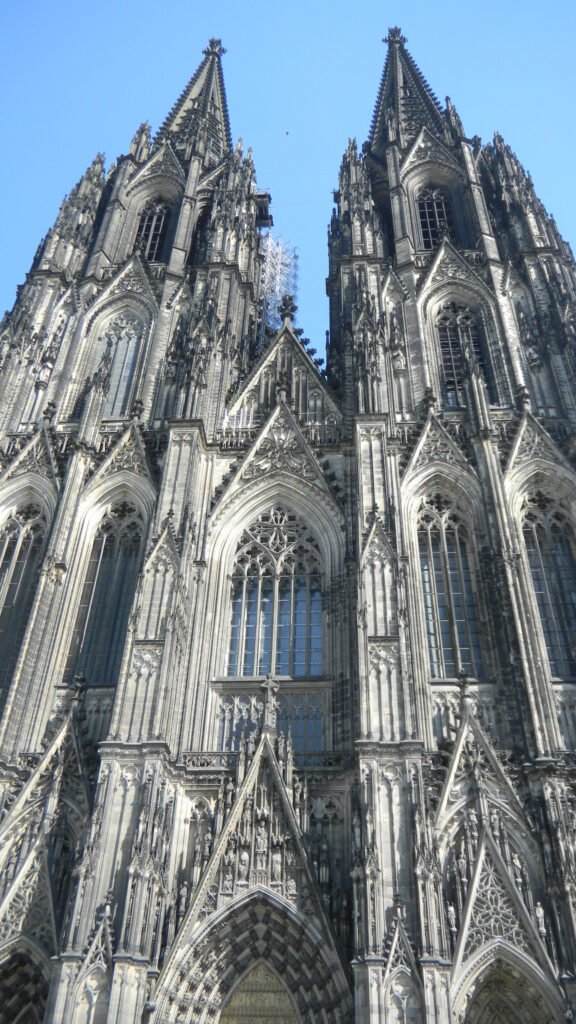
This is similar to forms of meditation in which people examine their own thoughts. In Vipassana traditions, they learn to think about why they are thinking certain things and why they’re feeling in certain ways. They thereby see themselves more objectively, and they’re more able to control negative emotions, like fear and anger. Looking With broadens self-examination to the culture that you live in. Westerners can see more ways in which the Italian Renaissance, northern Europe, the medieval heritage, and antiquity converged, and how they have shaped their ideas of the world.
As you keep discovering more of the infinite beauty within your own thinking, your emotions can become more positive. You can enjoy the riches in your own perceptions, thoughts, and identity so that what formerly seemed ordinary become sources of awe and wonderment.
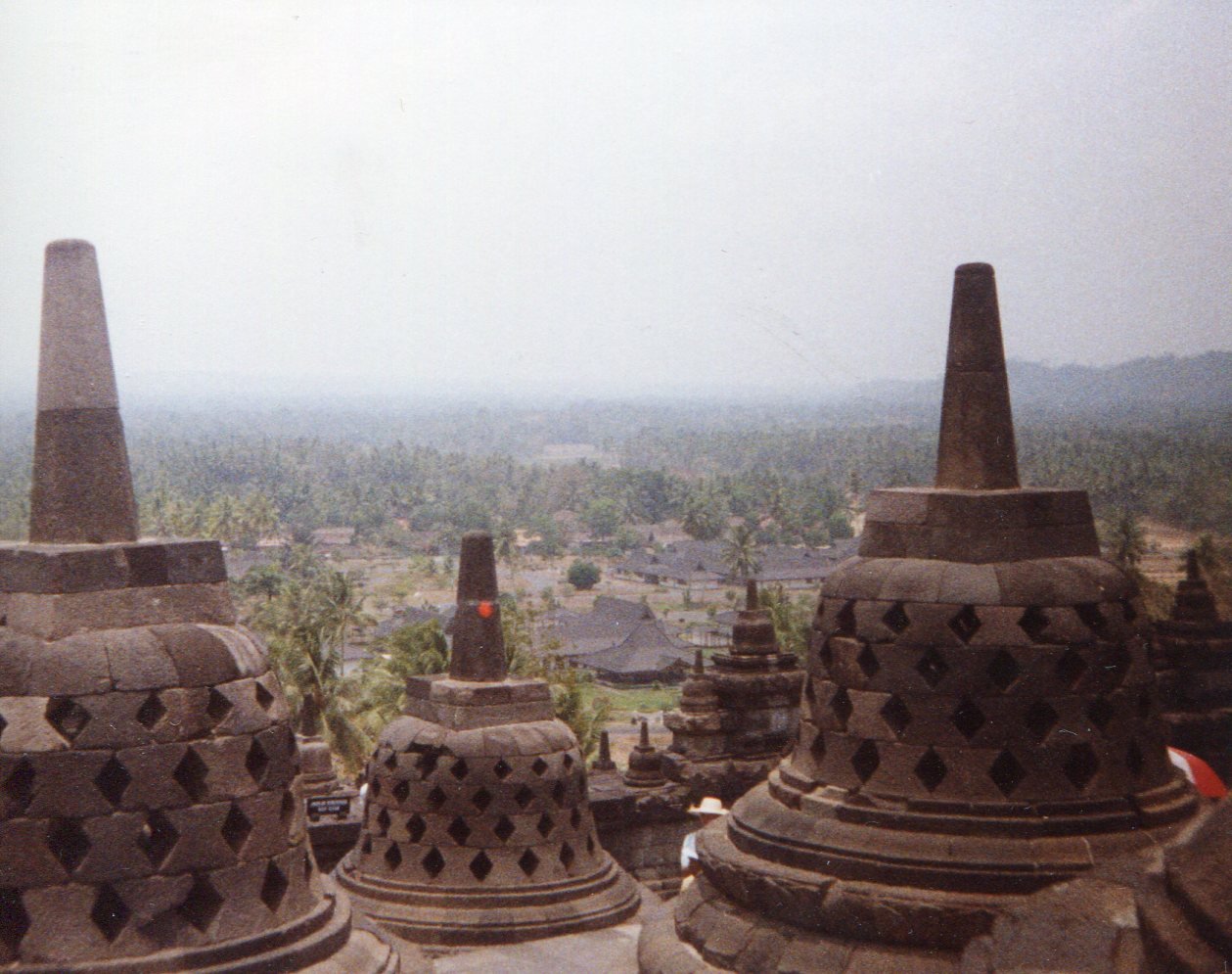
The third way of perceiving is looking Beyond. By doing this, you appreciate the ways in which people in another culture perceive and think. If you’re not Thai you can realize that Thai ways of perceiving and thinking emerged in an infinitely prolific landscape. You can thereby see limitless riches in another society, use them to highlight your own, and then inspire other people in your society to expand their horizons into a wider range of ideas.
So you can approach At/With/Beyond as a circle: Look At anything you find meaningful and view it in the ways in which you’re used to perceiving and thinking. You can then study some of your own culture’s heritage (looking With) and see more riches in your own ways of looking At. Then explore another society (looking Beyond). You can then look At again and see your own culture in new ways. If you keep journeying through this circle, your perceptions and ideas can become more inspiring and enjoyable. Places can become related more on the basis of mutual reflection than rigid boundaries.
You can also journey in the other direction. You can look At, then Beyond, and then With. In other words, you can venture into another culture and then look more deeply into your own history. You can also look Beyond multiple times in a succession by exploring several societies, and then delve into your own heritage.
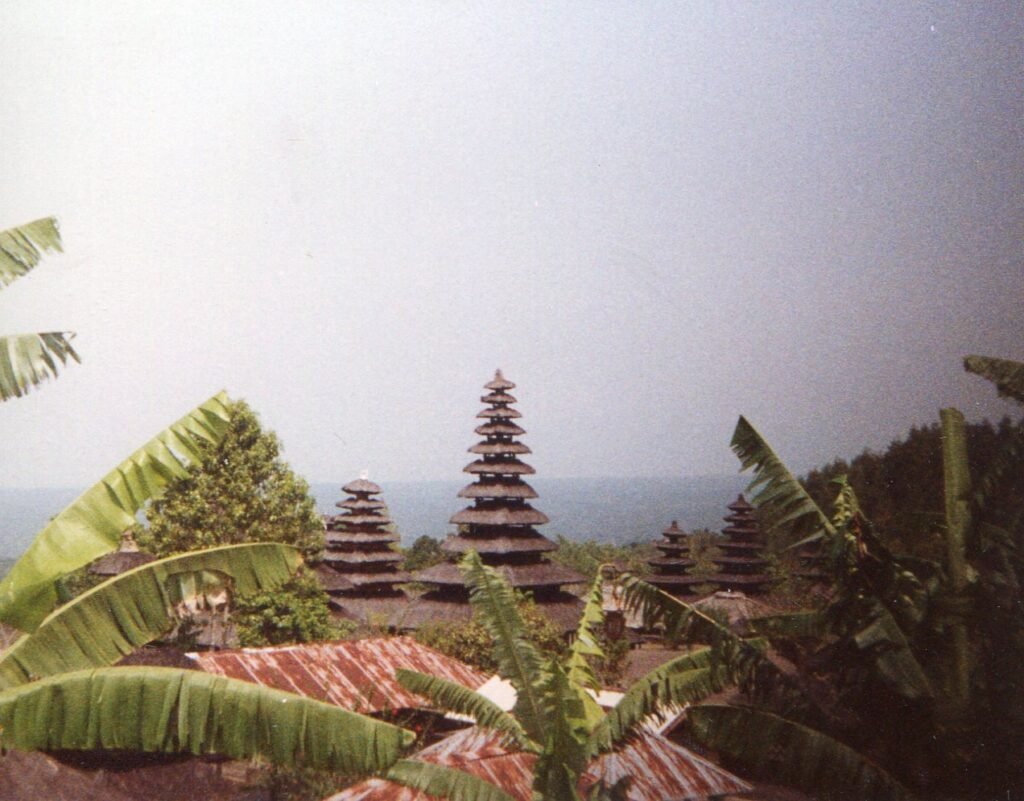
Traveling in Southeast Asia, East Africa, and the Middle East in one year and than exploring the West’s heritage in the next followed this pattern.
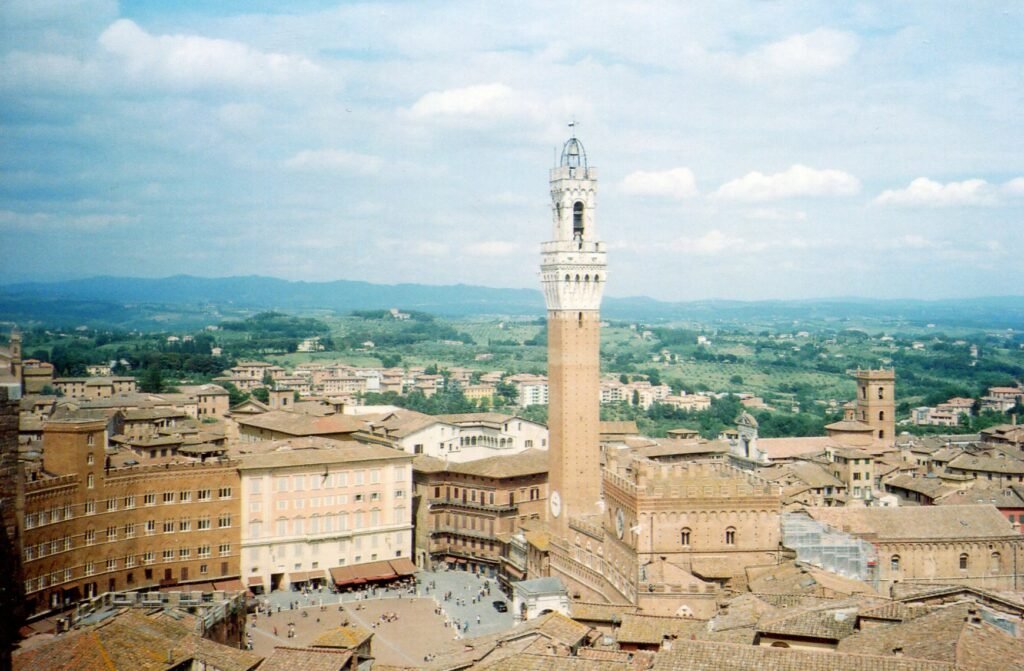
All these types of sequences will keep expanding your horizons as long as you mix looking At, With, and Beyond in some way.
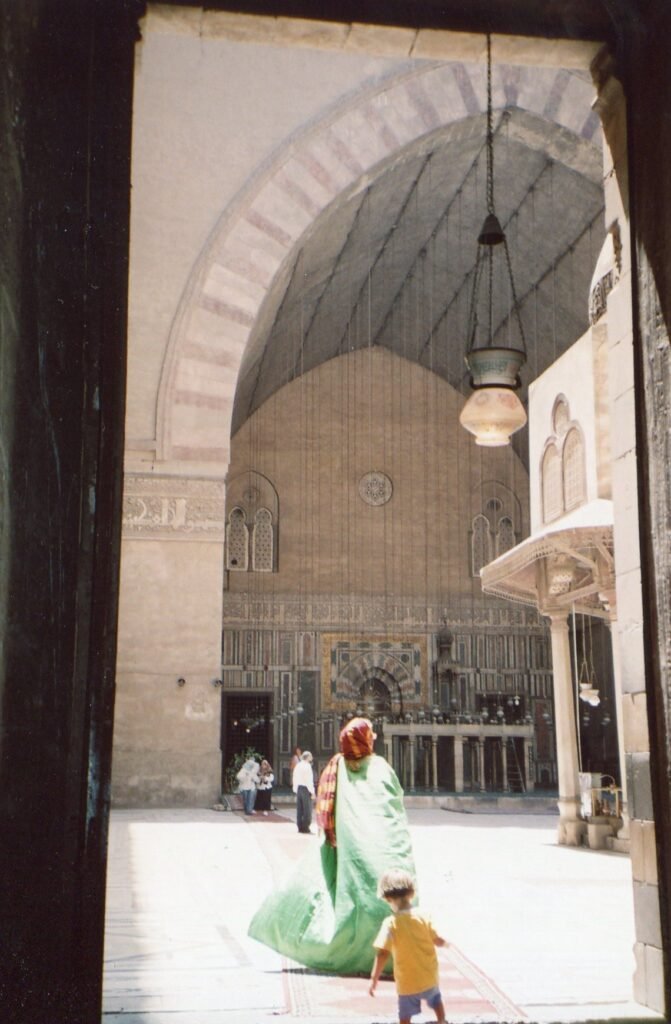
You don’t need to time looking At, With, and Beyond with a stopwatch (though you can if you’re most comfortable with that approach). I never do them in that way; I like to allow enough time to savor each experience for as long as I want, and that often varies. Sometimes I favor a certain way of perceiving on a certain day. But I alternate them often enough to avoid getting stuck in one. The key thing is to alternate so that your perspective always expands and becomes more inclusive.
All three types of perceiving & thinking continue to enhance each other as you do them in a circle:
You can look At the world according to your conventions after you’ve looked With or Beyond and find more inspiration and beauty in them.

I found more meaning in the Parthenon and Renaissance European art because I could compare them with other cultures.
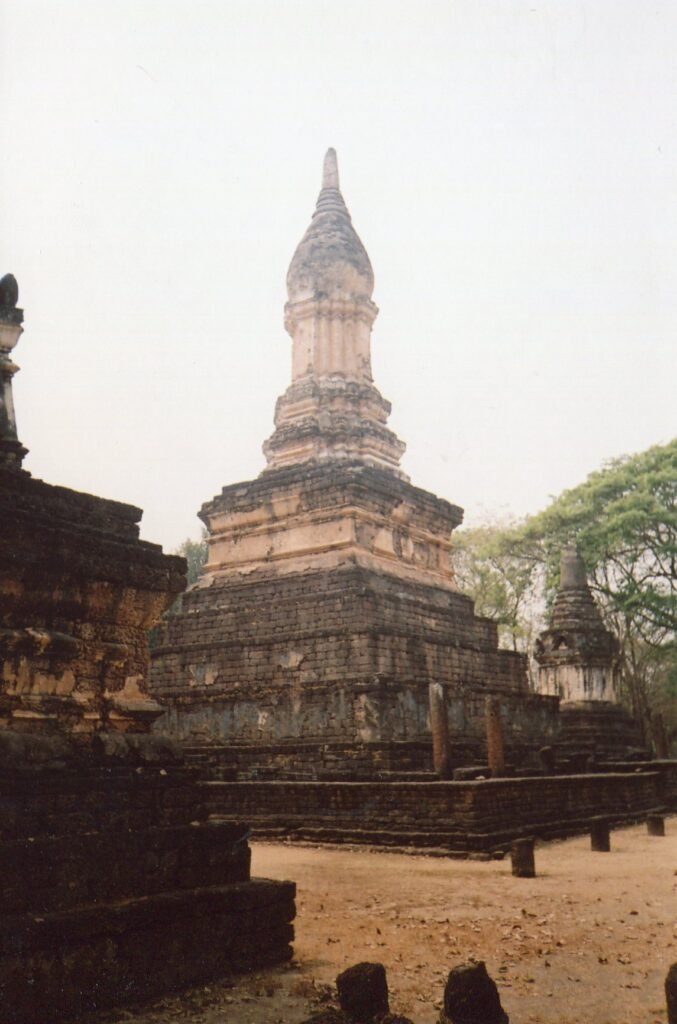
You gain more ways to look With. You can see your own culture from more perspectives as you look Beyond and compare it with ideas and art from other societies. I enjoyed seeing how three-dimensional perspective developed in the great 15th century Italian painters’ works even more by comparing their world with Thailand, which developed a different way of thinking and perceiving.
You gain more skills in looking Beyond. As you explore more cultures and increase your range of ideas and perceptions, you become more mentally flexible and thus able to appreciate new societies more deeply. You can also mix all these cultures’ traditions and ideas in new ways.
So looking At/With/Beyond is a self-reinforcing process which enables your perspectives and thoughts to gain ever more facets. People’s perspectives can become less mechanical and more conducive to enchantment.