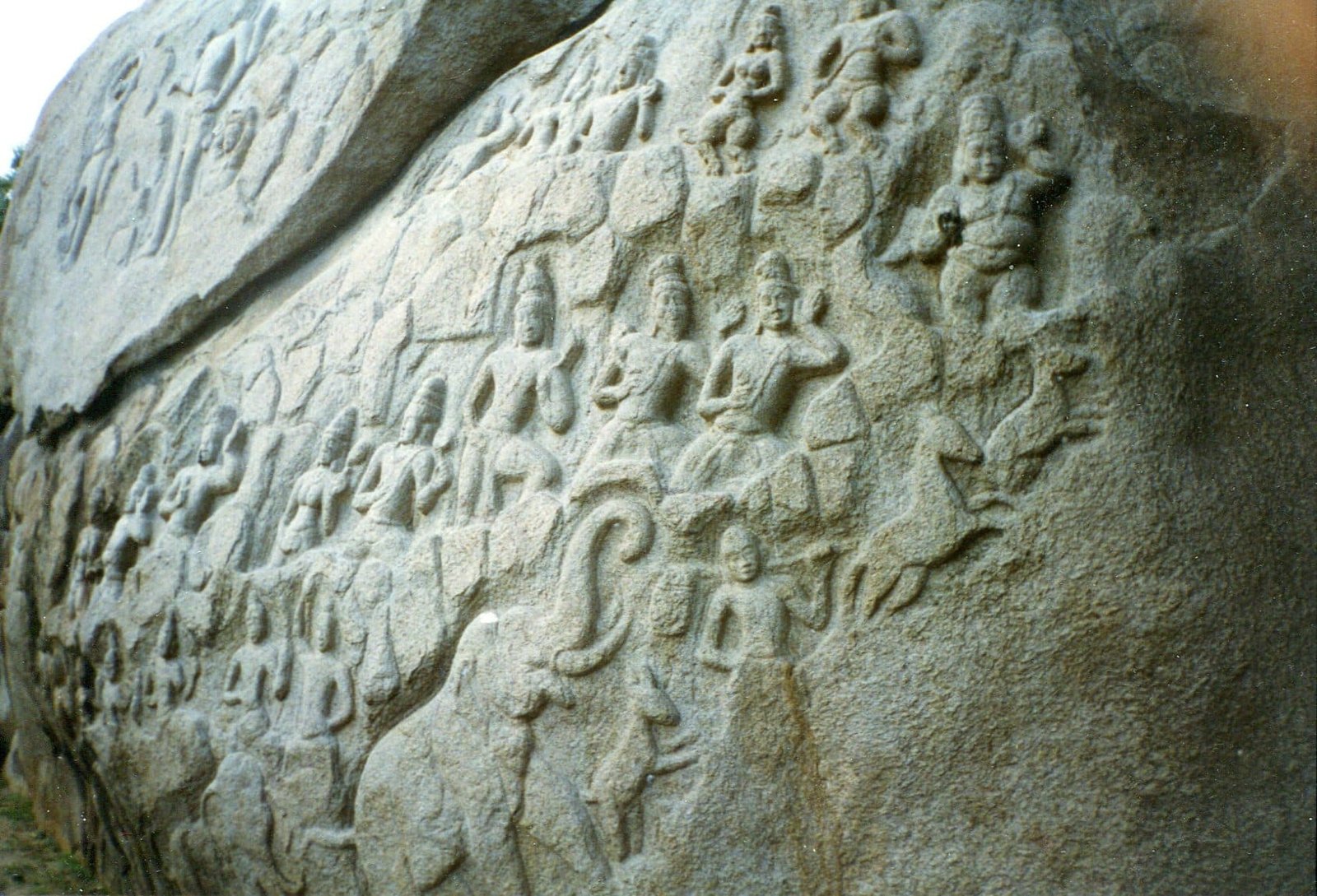
Many ancient Indians believed that clouds are elephants’ celestial relatives. They actually called an elephant “Cloud” (Megha) when they honored it.
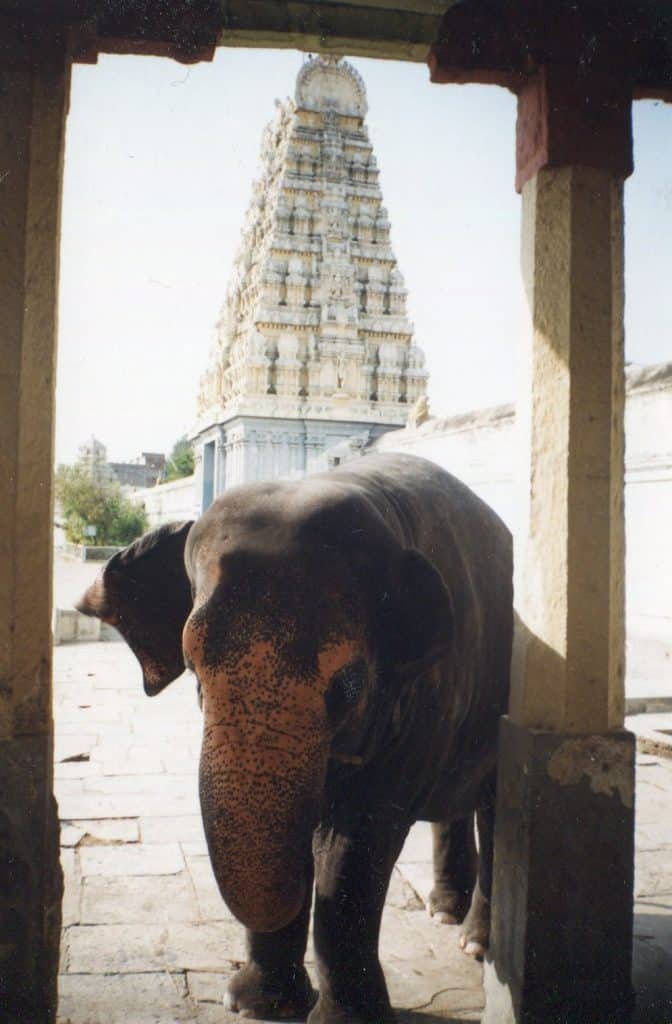
According to Heinrich Zimmer, Indians saw the elephant as a raincloud walking on earth. Its presence attracts its winged fellow clouds. Honor it and its relatives are gratified and they bless the land with rain.
Blending ideas of clouds and the largest land animal expresses the , the unity of opposites. Yes, Disney’s Dumbo flies too, but Indians turned the flying elephant into an object of religious veneration that the cosmic order depends on. The unity of opposites has been emphasized more in India.
And India has dramatic opposites, from the Himalayas–
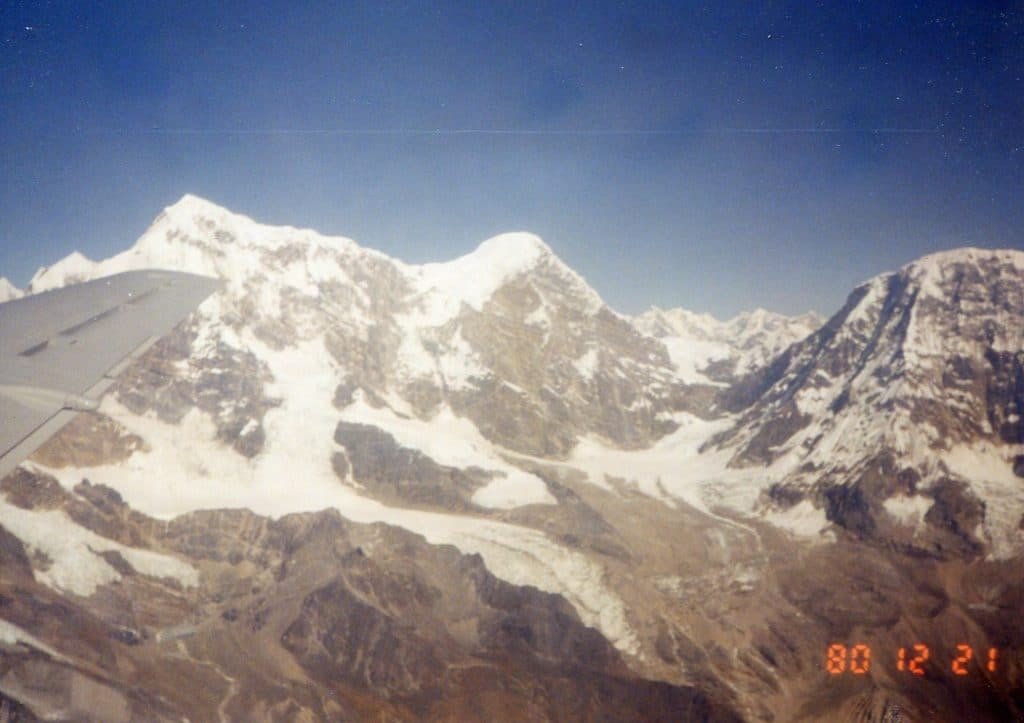
to torrid lowlands.

Indians have had other creative ideas about elephants. Ganesha is a popular god with an elephant’s head and human body. His father, Shiva, cut off his human head without knowing who he was. The first creature Shiva saw was an elephant, so he joined its head to his son’s body.
Alain Danielou wrote that Ganesha unifies the biggest and the small (the human, the rat, and the mouse–Indians have imagined the latter two as his mount; together). He brings opposites together.
Danielou also saw subtler meanings in Ganesha. The more common Sanskrit word for elephant is gaja. Ga means goal and ja means origin. So gaja unifies the beginning of life with the goal of existence. A person can meditate on Ganesha and become absorbed in the unity of life, thereby reaching samadhi.
Ganesha is worshipped as the remover of obstacles. This idea can apply to your spiritual path, but in India ideas have many levels. It also can apply to material obstacles. Businesspeople thus honor him before beginning ventures.
Ganesha sculptures are popular today. His trunk is bent, and this represents going around blockages. It ends in a candy dish from which he feeds his raincloud-sized paunch. Metaphysical or physical, he represents abundance for all mentalities.
Indians have expanded ideas to encompass the universe’s abundance in many other ways, including narrative, architecture, and music.