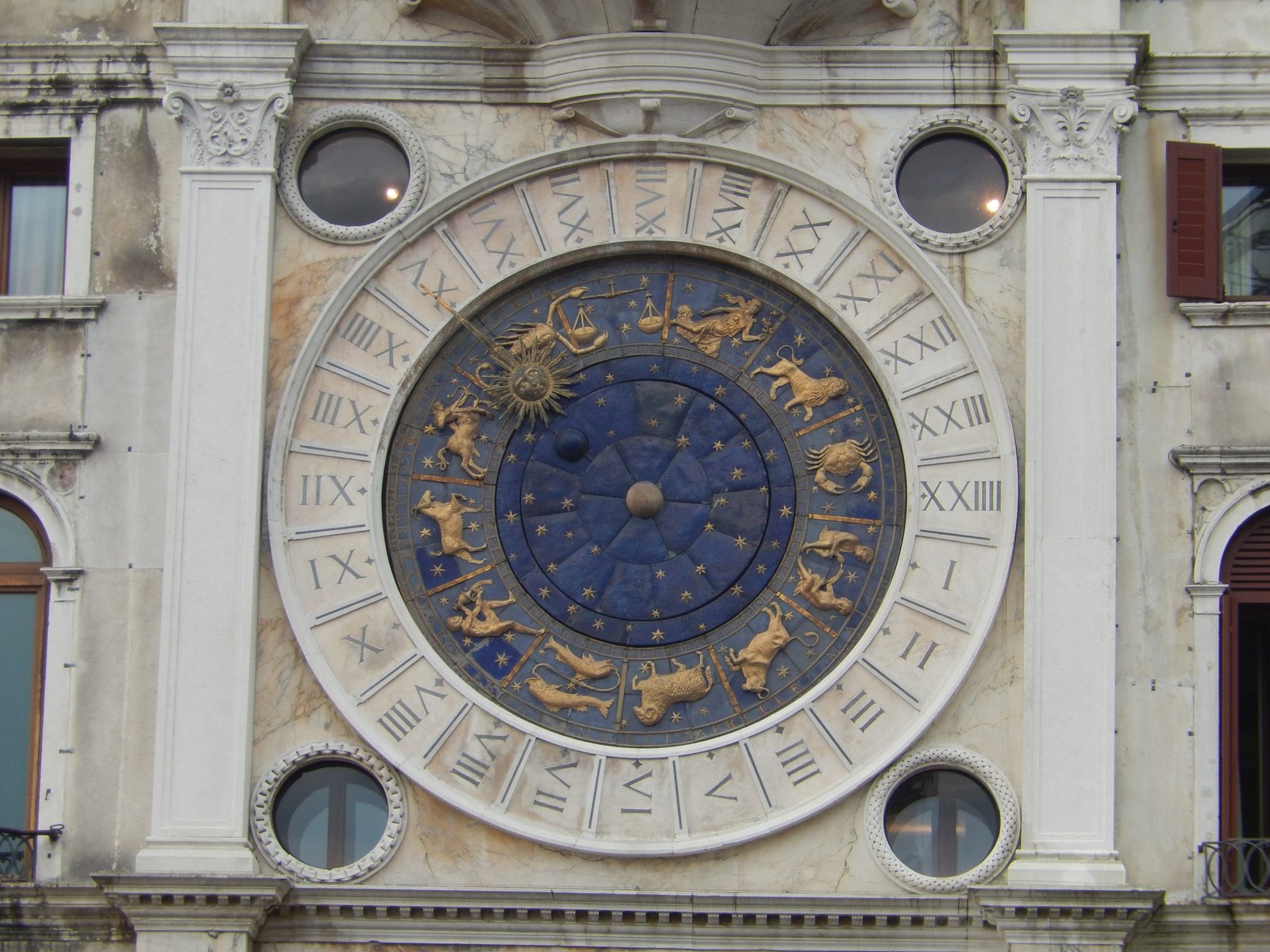
Just after the beginning of the 20th century, the French philosopher Henri Bergson defined two kinds of time. One is objectively measured. We identify a precise number of seconds or other intervals and measure events and temporal periods according to that number. Newtonian physics was a model for this; we measure the distance an object has traveled within a certain timespan. Bergson called the second kind of time dureé. This is how we experience time. I don’t count seconds when I raise an arm. People do not usually experience time as precisely sliced up moments that are distinguished from each other and measured, but as a holistic process. Dureé is the inner feeling of events rather than external and abstract measurements of them.
These experiences are largely constructed by culture. An African in a traditional community often experiences raising an arm as moving according to a rhythm or making a gesture to other members rather than an activity that’s done alone. But Bergson introduced the concept dureé by describing a person raising his arm as an isolated act with no social context. Most traditional Africans feel that the most exemplary actions are done with other people.
A traditional Chinese person practicing tai chi would be more inclined to experience raising an arm as promoting a harmonious circulation of yin and yang energies throughout the body.
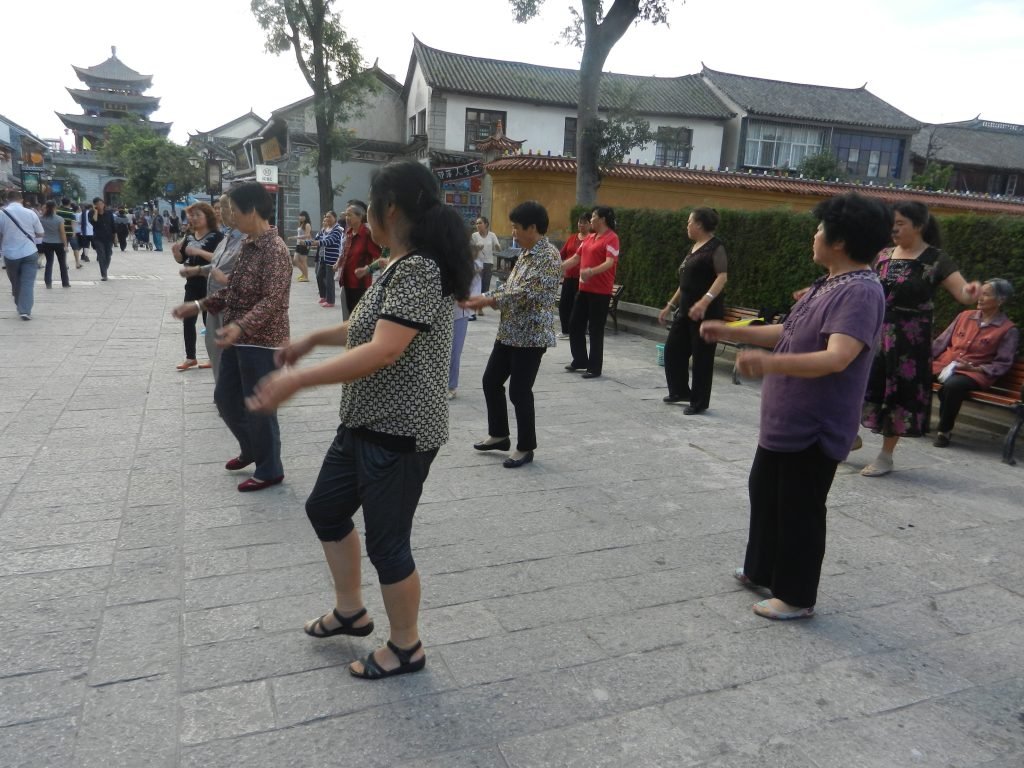
Many ancient Indians saw time in terms of cycles within incredibly long processes. Chinese ideas of yin-yang and the five elemental processes (wu xing) encouraged cyclic concepts of time that were correlated with elements, musical notes, seasons, and colors. Many African cultures have conceptualized time socially, in terms of groups of people of roughly the same age who experience life’s main milestones together.
Concepts of time are interwoven with ancestors in a lot of cultures. Chief Seattle’s speech, which he made to Isaac Stevens (the new governor and commissioner of Indian affairs for the Washington territories) in 1854, detailed his Suquamish tribe’s intimate experience of time, “The ashes of our ancestors are sacred and their final resting place is hallowed ground, while you wander away from the tombs. . . . Your dead cease to love you and the homes of their nativity as soon as they pass the portals of the tomb. They wander far off beyond the stars, are soon forgotten, and never return. Our dead never forget the beautiful world that gave them being. They still love its winding rivers, its great mountains, and its sequestered valleys.”
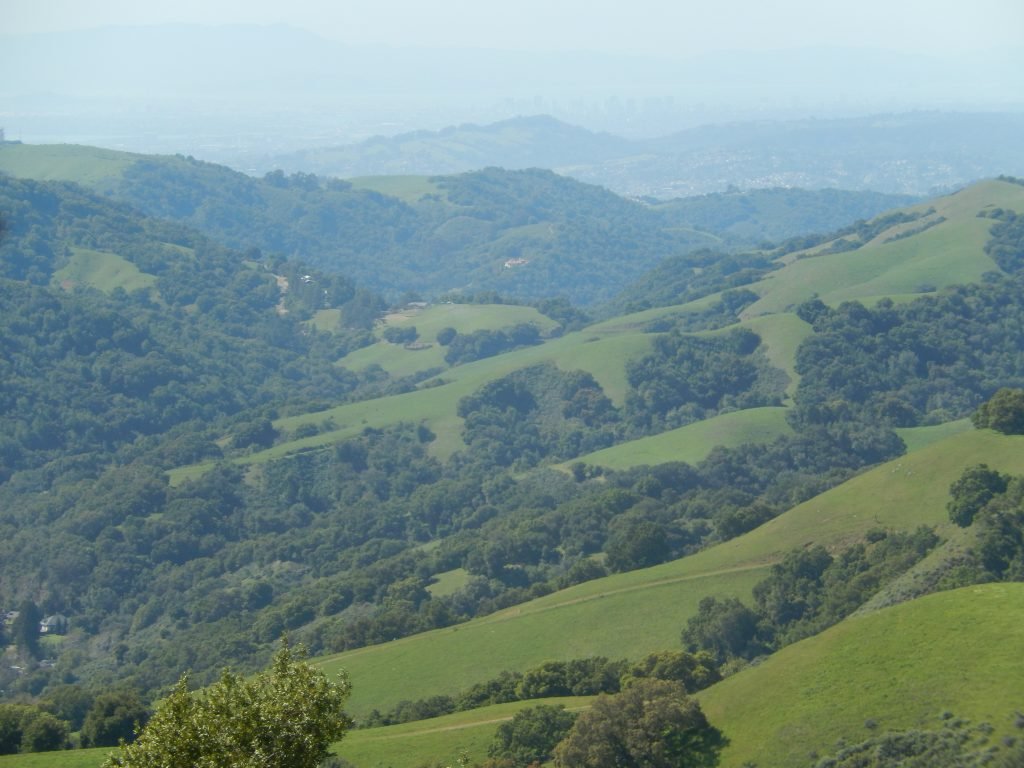
He continued with this eloquent statement, “The very dust under your feet responds more lovingly to our footsteps than to yours, because it is the ashes of our ancestors, and our bare feet are conscious of the sympathetic touch, for the soil is rich with the life of our kindred.”
Experiences of time thus don’t occur along only one universal continuum; there are many ways in which cultures have ordered flows of events and structured ways of interrelating the past, present, and future. There are also many kinds of experiences that ideas of time structure. How I experience raising an arm, listening to music, or eating a meal is highly conditioned by the culture I grew up in. Eating spicy curries in India while surrounded by a large extended family, with many women in swirling multi-colored saris, reflects a culture that has emphasized abundant flows of energy since ancient times. While living in this abundant field, it’s easy to project temporal flows far into the past and future and consider reincarnation and karma as basic aspects of life.
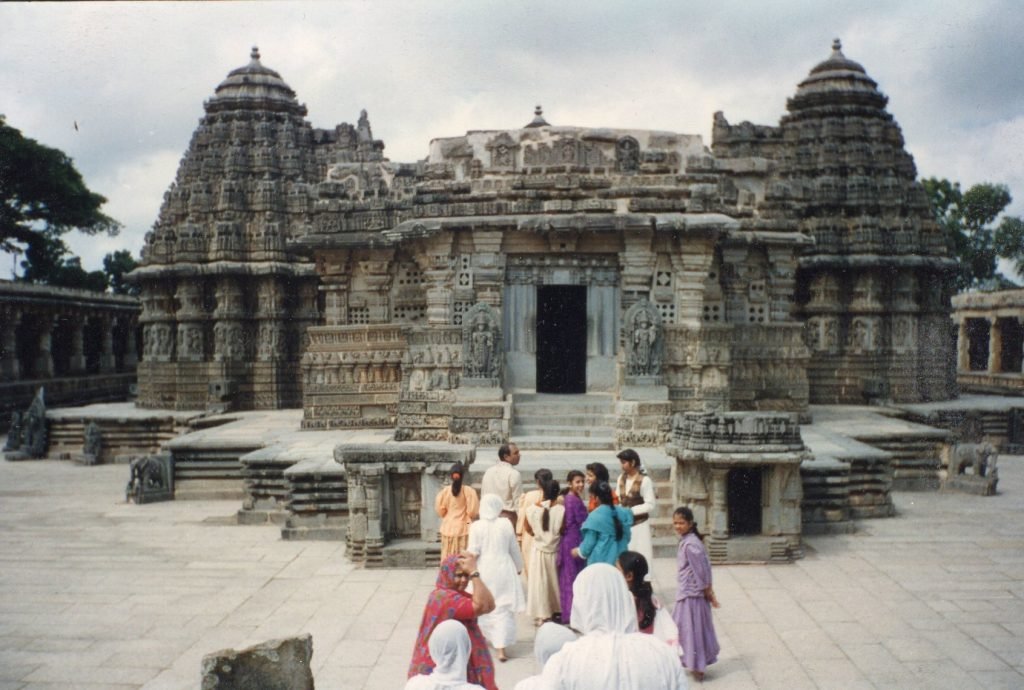
Cultures’ ways of structuring time differ according to their historical patterns, natural environments, and convergences of people’s most commonly shared experiences. Each moment is thus influenced by many times and places.
So thought and experience can evolve from bondage to past temporal patterns and historical events that one culture emphasizes to boundless creativity—to appreciating experiences from many cultures (present and past), and thus to an unlimited number of times and places. We can synthesize them into an ever greater range of experiences and ideas. Our views of time can expand from a one-dimensional continuum with a past and a future to an infinitely fertile now, which can give us insights about all cultures’ pasts, presents, and possible futures. Each moment is full of gateways to new perspectives and possibilities for seeing the world anew.