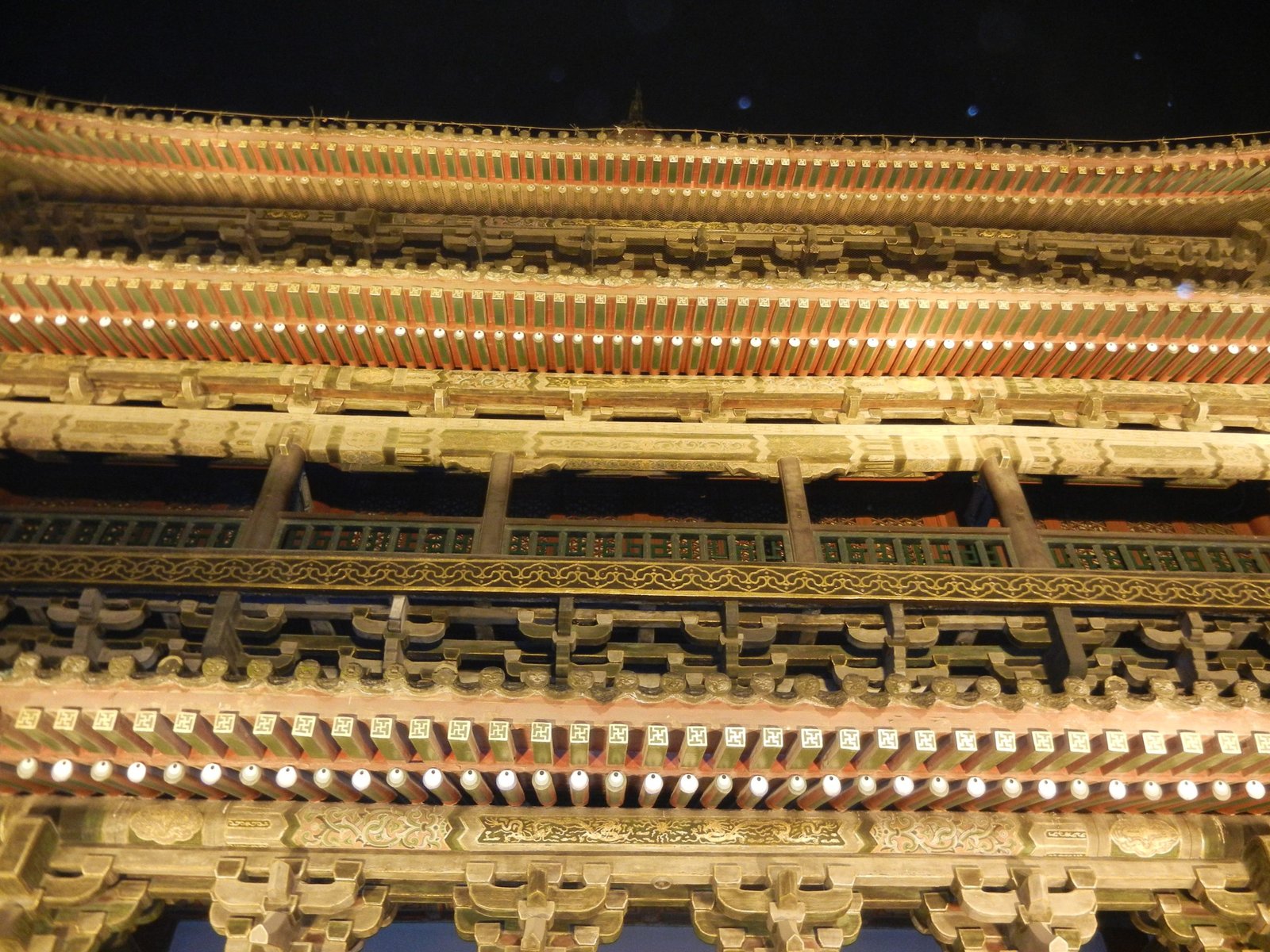
I had read about guys like this in books on Chinese art, but I was surprised that there were so many of them when I first visited China.
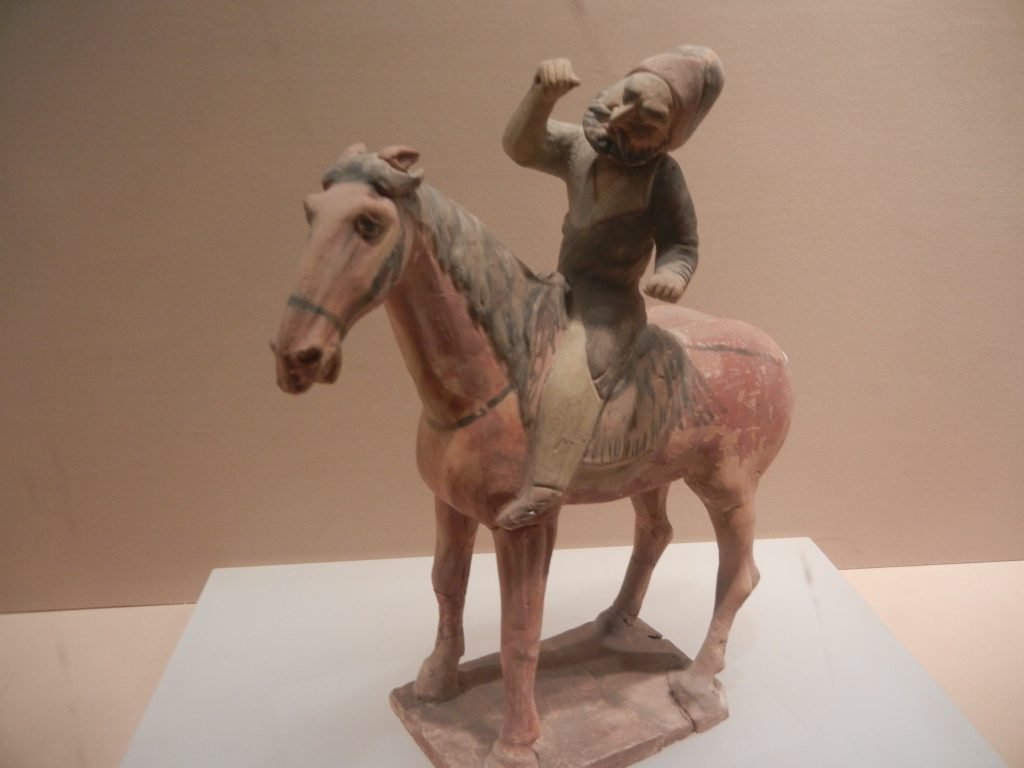
They were created during the Tang Dynasty (618-907). Trade grew along the Silk Road in the early Tang and through southeastern port cities (especially in the later Tang). Merchants, political envoys, Buddhist pilgrims, and vagabonds from Central Asia, Southeast Asia, Korea, and Japan went to China to live, and the Tang became the most cosmopolitan dynasty in China’s history. But this guy on the horse isn’t portrayed in a very dignified way. Why is he so animated without any SUV drivers to yell at? His sub-Mandarin bearing suggests mixed feelings about the new diversity.
The capital city, Chang’an, housed China’s largest number of foreigners. Merchants brought furs, exotic animals, rare plants, tropical wood, perfume, drugs, exotic food, textiles, jewels, metals, and slaves from all over the known world.
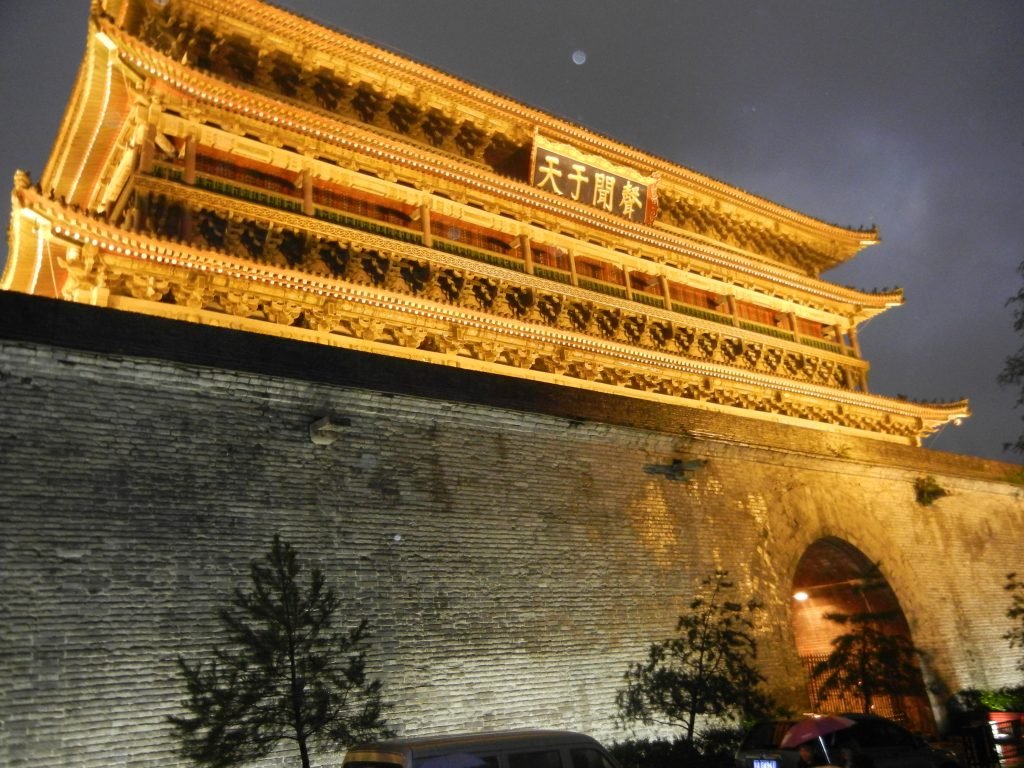
Chang’an was meant to awe all comers. In the late sixth century, the new Sui Dynasty had unified China for the first time since the Eastern Han Dynasty fell in 220. Many kingdoms had been battling each other, and the new emperor built his capital there to signify order. It was laid out along the cardinal directions, and each wall stretched for over five miles. The imperial city presided in the northern central part. The other elites lived in the northeast. Commoners lived in the west, and to some extent, the south. There was an east market and a west market. All domains were in order.
And the emperor imposed even more order. Twelve main east-west and nine main north-south roads divided Chang’an into wards. The number 3 corresponded to the 3 powers in nature: Heaven, Earth, and Man. 9 represented the 9 provinces of the legendary Emperor Da Yu, and 12 corresponded to the 12 months. The city was thus harmonized with the whole universe.
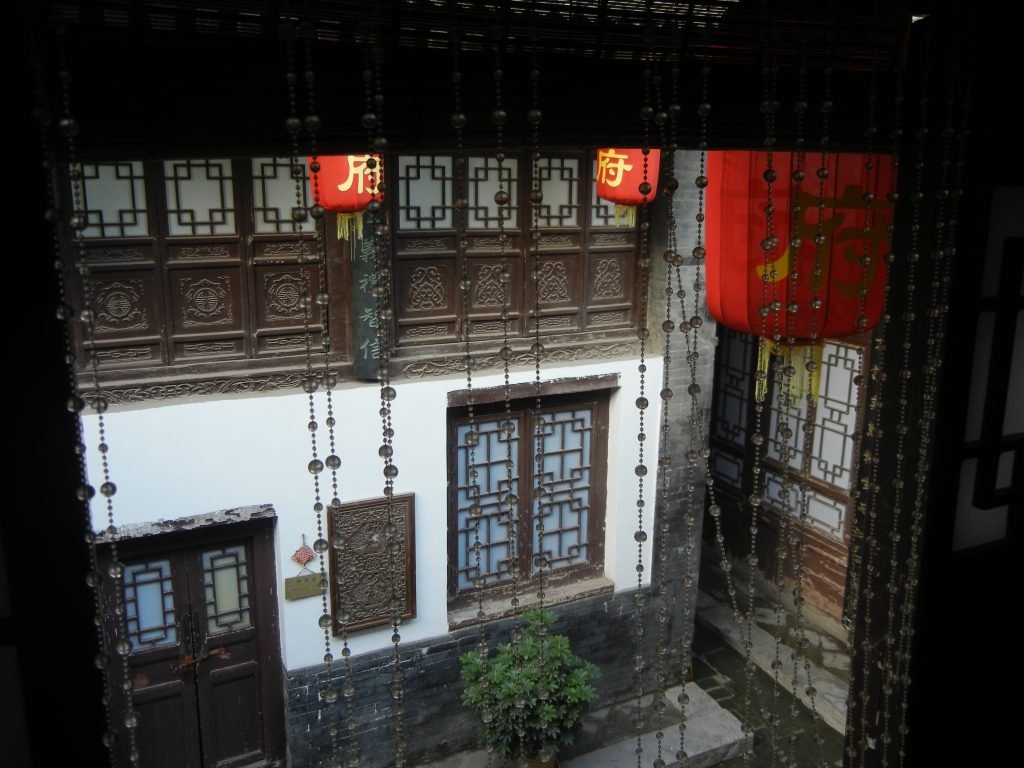
The wards were walled, and people living in them were under curfew. Drums in towers were pounded when the gates opened in the mornings and closed in the evenings. The wealthier enjoyed more freedom and luxury, like the home in the above picture.
But like the growing towns in medieval Europe, this order imposed from the top created tensions that would threaten it. Ever more diverse people and customs were becoming common features of the capital. Dynamics between them and the imperial order would make Chang’an arguably the world’s most exciting city at that time.
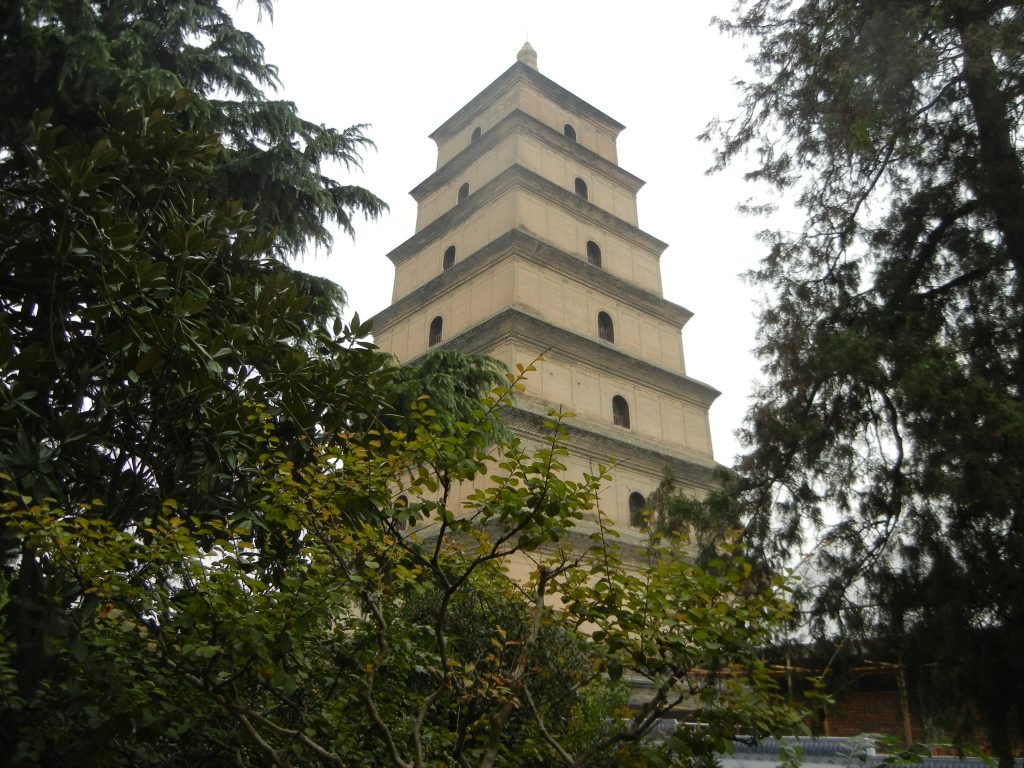
Big Goose Pagoda (pictured above) was finished in 652 to commemorate Xuan Zang’s journey to India and to house Buddhist scriptures. Chang’an was a crossroads of cultures from India and Central Asia to Japan. All converged there and created some of the greatest glories in China’s cultural history.
The founders of Chang’an tried to create a society that was controlled from the top, with the different classes living in their own quarters. But the great city attracted so many different people that the diversity and new pleasures threatened to overturn this order.
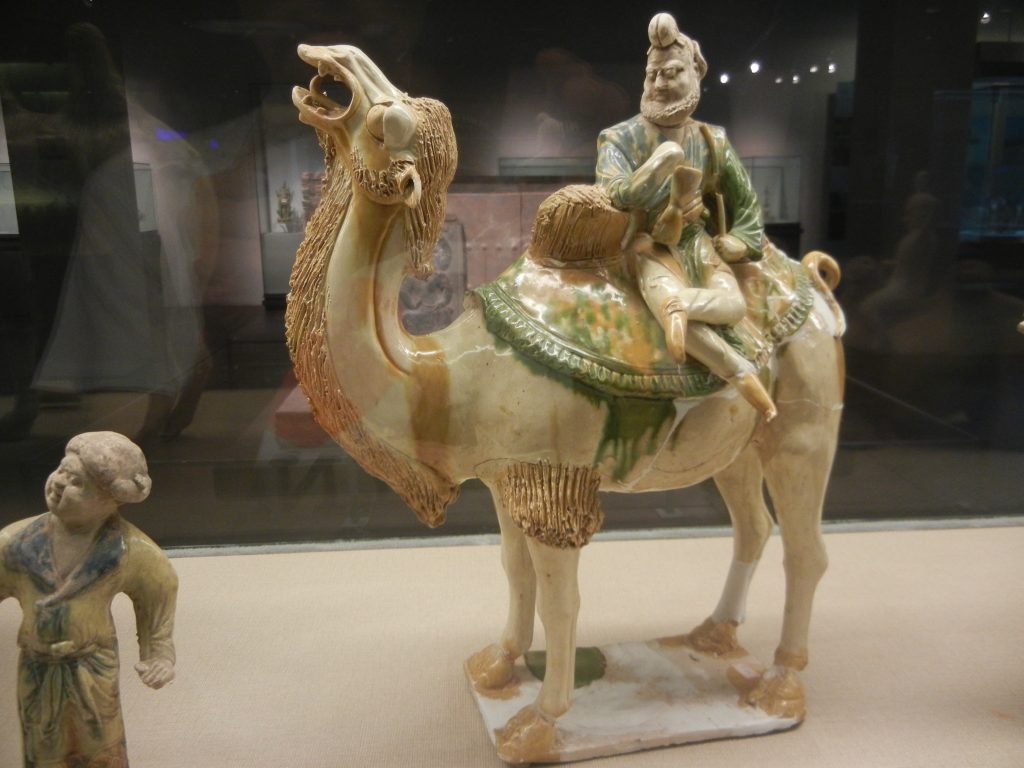
Merchants from Central Asia, with their bushy beards, hawk noses, and sacks of exotic goods on the backs of camels protesting with weird groans that no other beast emits, were common sights in town. There were many other novelties.
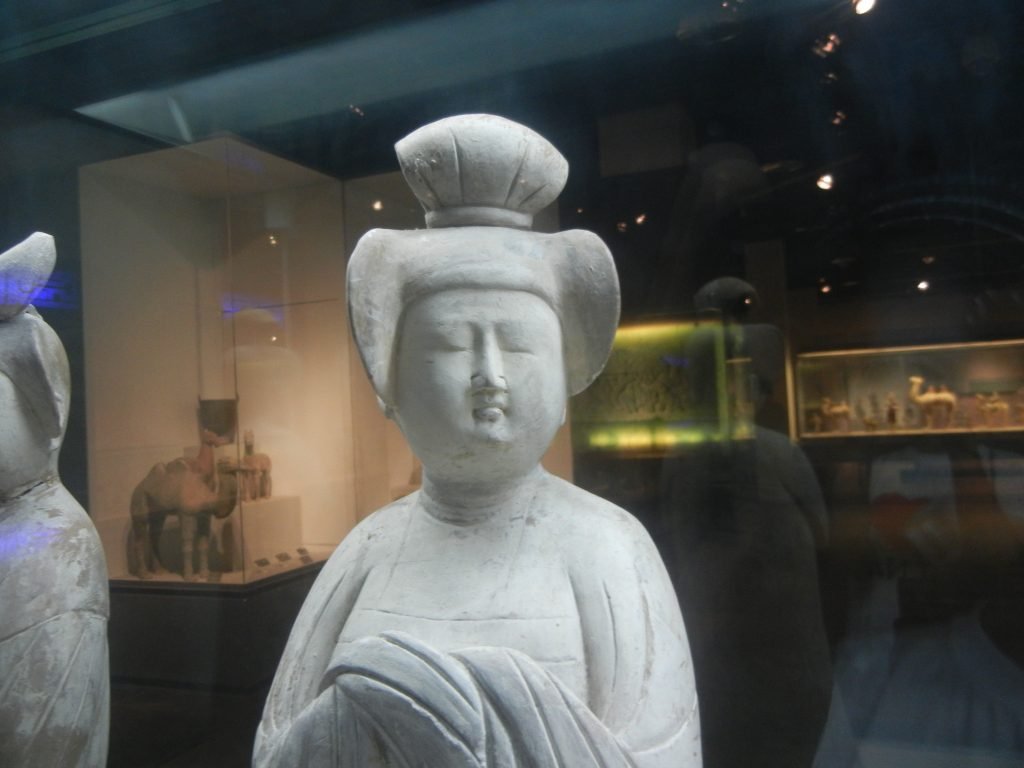
And the rich knew how to enjoy them. Many works of Tang sculpture are known for plump faces, elaborate hairdos, and flowing gowns. These figures populate Shaanxi museums as much as the foreign traders do. The wealthy made both for their tombs to help ensure an equally privileged afterlife. You can almost imagine the woman above pinching her nose if one of those men were to pass by.

Aristocrats were passionate about horses. Fast Arabian breeds were their sports cars. The Chinese imported polo from Iran. The government bred horses systematically, and they were key strategic weapons in the Tang Dynasty’s political offensives. Figures like the above one abound in museums too–elites were determined to enjoy the afterlife in style.
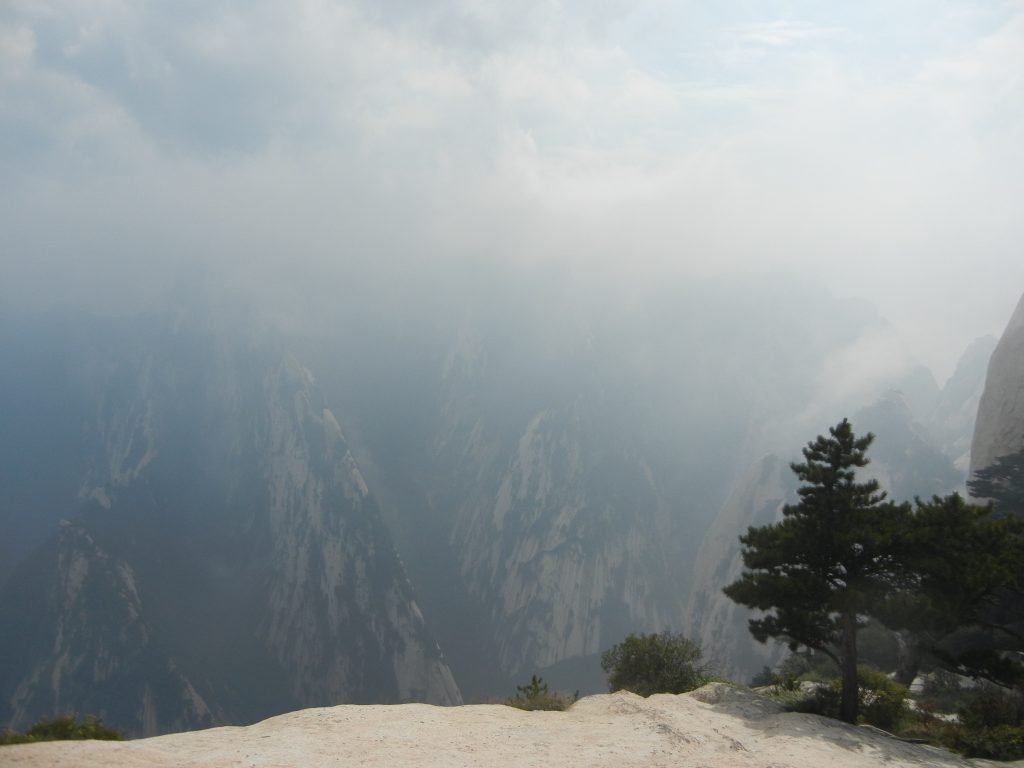
Poetry reached new levels of sophistication. Li Bai (701-762, also known as Li Bo and Li Po) was a dreamer, and he wrote about beautiful natural landscapes. He was an outsider–from Central Asia and then Sichuan, and possibly from a Turkish family. His frequent references to moonlight were influenced by Turkish culture. He often got drunk, which was a state that Daoists identified with the spontaneity that they aspired for. But it was also considered a barbarian trait. Li Bai thus represented the exotic and emotionally immediate.
Du Fu (712-770) was born near Chang’an, and was more sober. He had to be. He failed the imperial examinations that would have been a gateway to a successful career and the pleasures of elite life. Du Fu had to struggle to live, and his family sometimes starved–so badly that one of his children died. His poetry is known for compassion. The Tang Dynasty was wrenched by a military rebellion in 755-763 that it never fully recovered from. Du Fu’s humanity resonated with all too many people who either lost their Arabian horses and elegant clothes or aspired for them and failed.
Both poets conveyed the full range of human experience as the Tang Dynasty waxed and waned. But we’ve only looked at the pleasures of the upper classes and the disillusionment of those who couldn’t live so well. In the next article on the Tang Dynasty, we’ll meet a broader range of people who made Chang’an bustle. We’ll peer into their daily lives and see what made the capital so exciting.