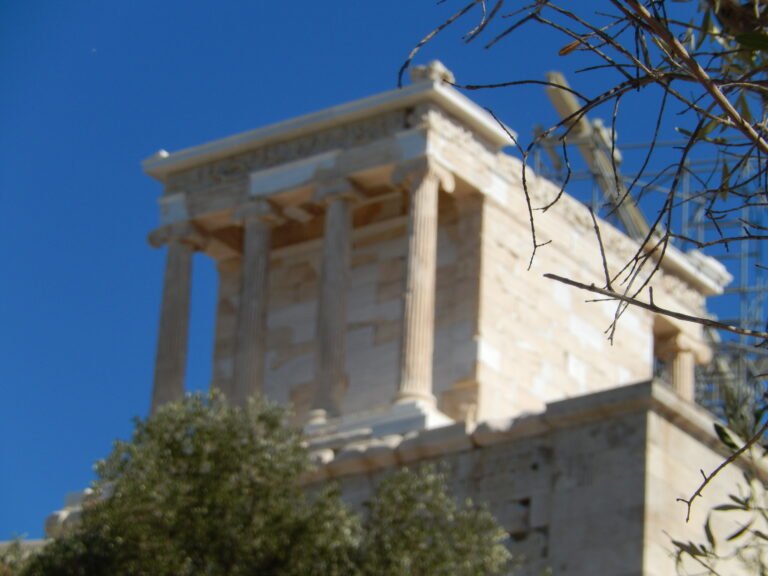
Today’s Potential for a New Axial Age
Some historians of thought have called it humanity’s most influential period. The philosopher Carl Jaspers called the time between 800 BCE and 300 BCE the
Some historians of thought have called it humanity’s most influential period. The philosopher Carl Jaspers called the time between 800 BCE and 300 BCE the
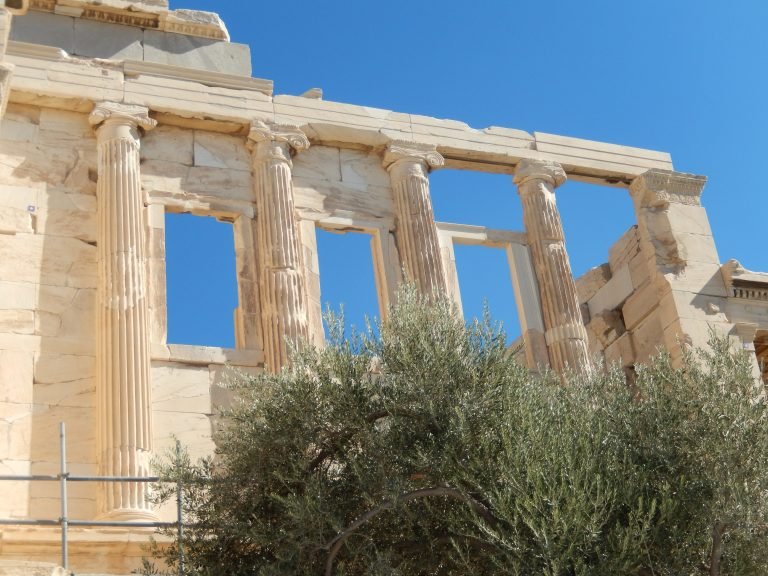
A recent article here began to explore ways that ideas of truth can vary in different cultures. A common theme I’ve found has been constancy.

What is truth? A common theme in different definitions of it has been constancy. For example the Middle English (spoken from about 1150 to around

The biologist Mae-Wan-Ho, in The Rainbow and the Worm; The Physics of Organisms, wrote that biology has a long tradition of seeing organisms in atomistic

Maps can distort our views of the world. Thongchai Winichakul, in Siam Mapped, wrote that the map of Thailand became a metasign—it acquired meanings that
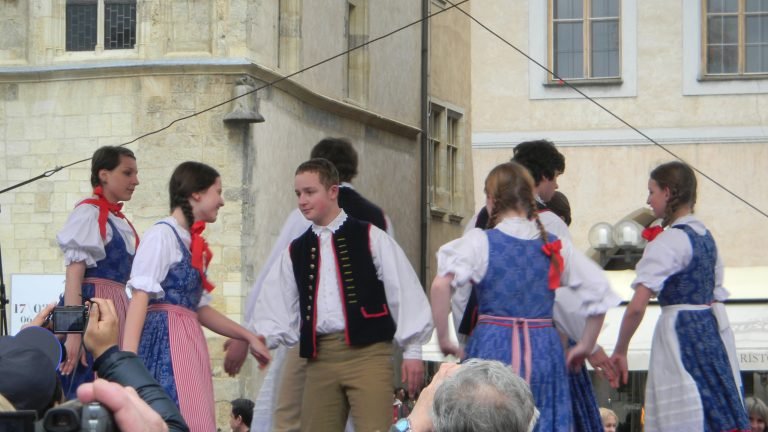
Many of AI’s leaders are concerned about aligning AI’s goals with what will benefit humanity, but its LLMs have a narrow view of us. Humanity’s

Western scientists in the 16th and 17th centuries increasingly conceived space as a void that objects move around in. At the same time, architects were
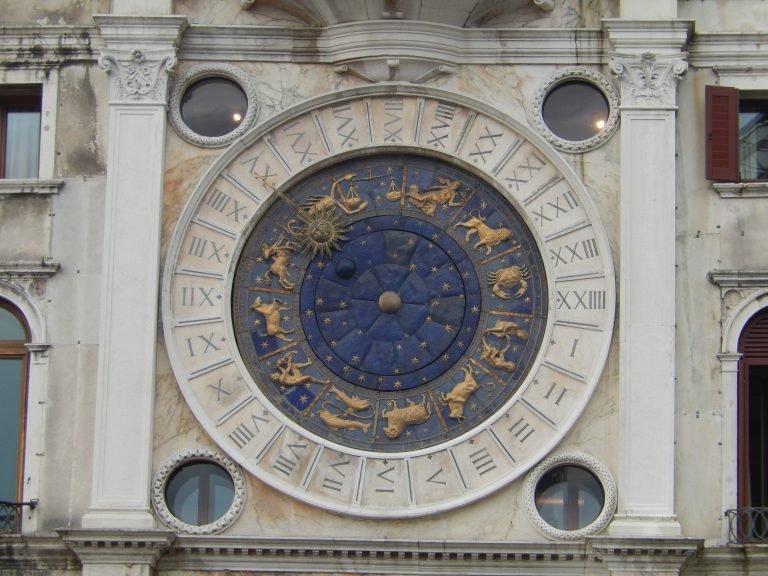
Just after the beginning of the 20th century, the French philosopher Henri Bergson defined two kinds of time. One is objectively measured. We identify a
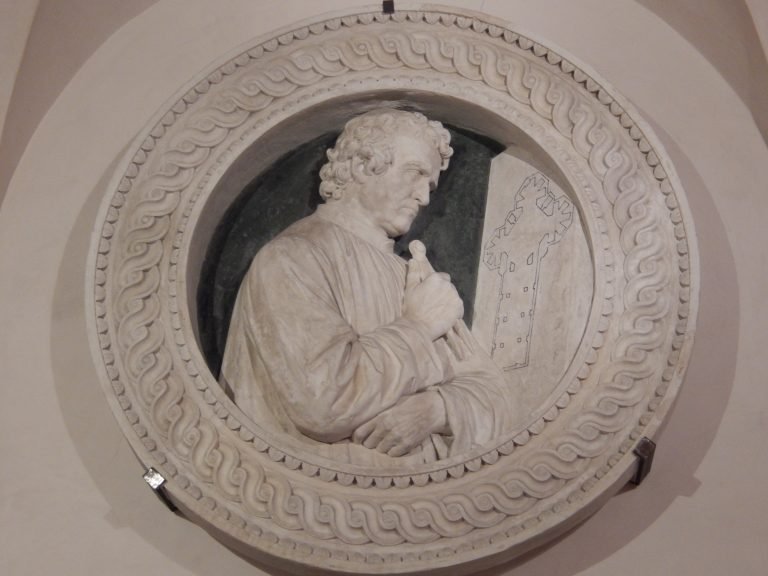
What is a circle? Many Westerners have been trained to think of it as an abstract geometric shape with a circumference of 2πr and the

Some technologists say that human cultures are increasingly being uploaded into the digital world, and they justify this claim by stating that the information in