Many Worlds on Bangkok’s Streets
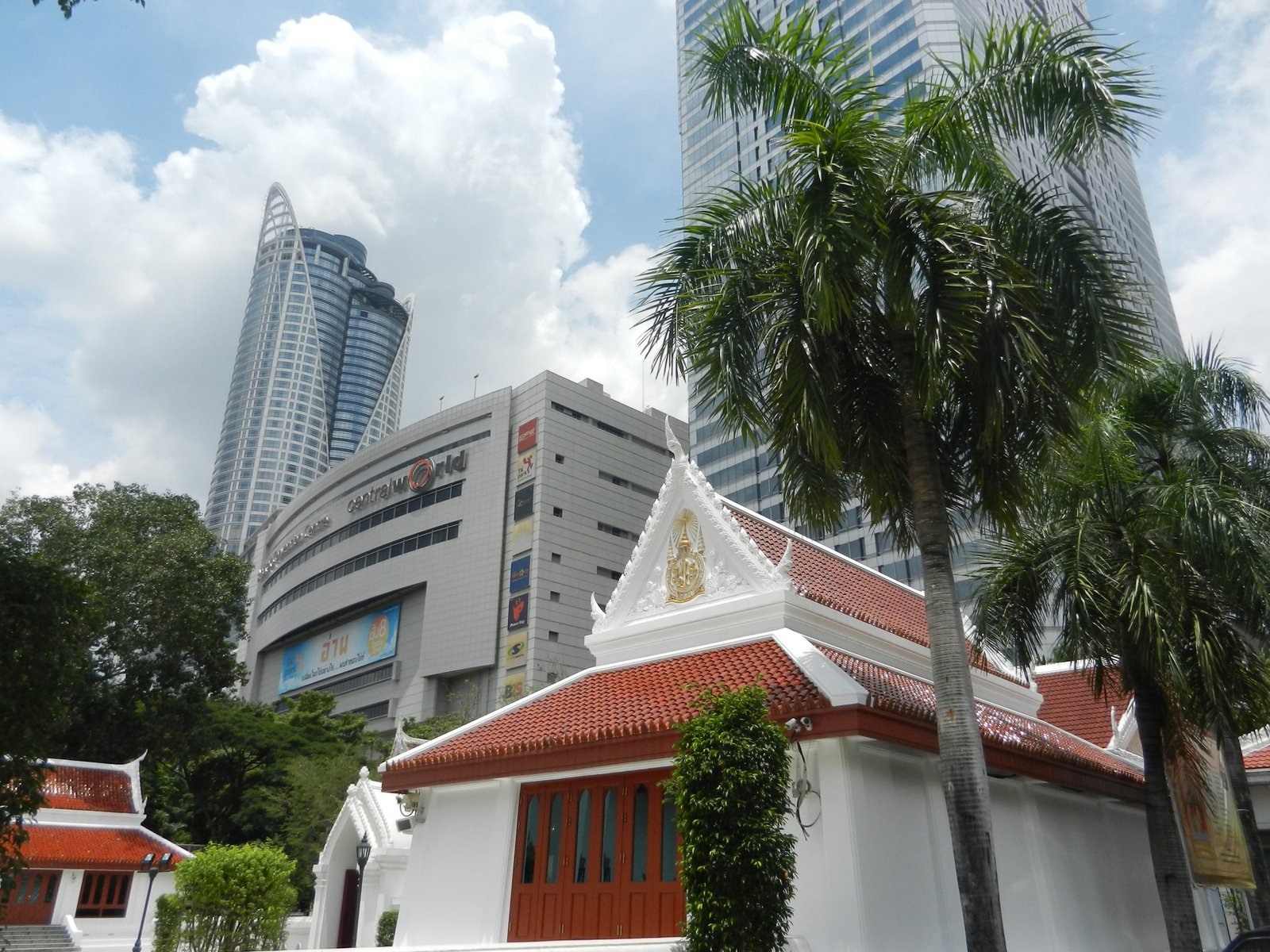
The first kings in Thailand’s new Chakri Dynasty grounded Bangkok
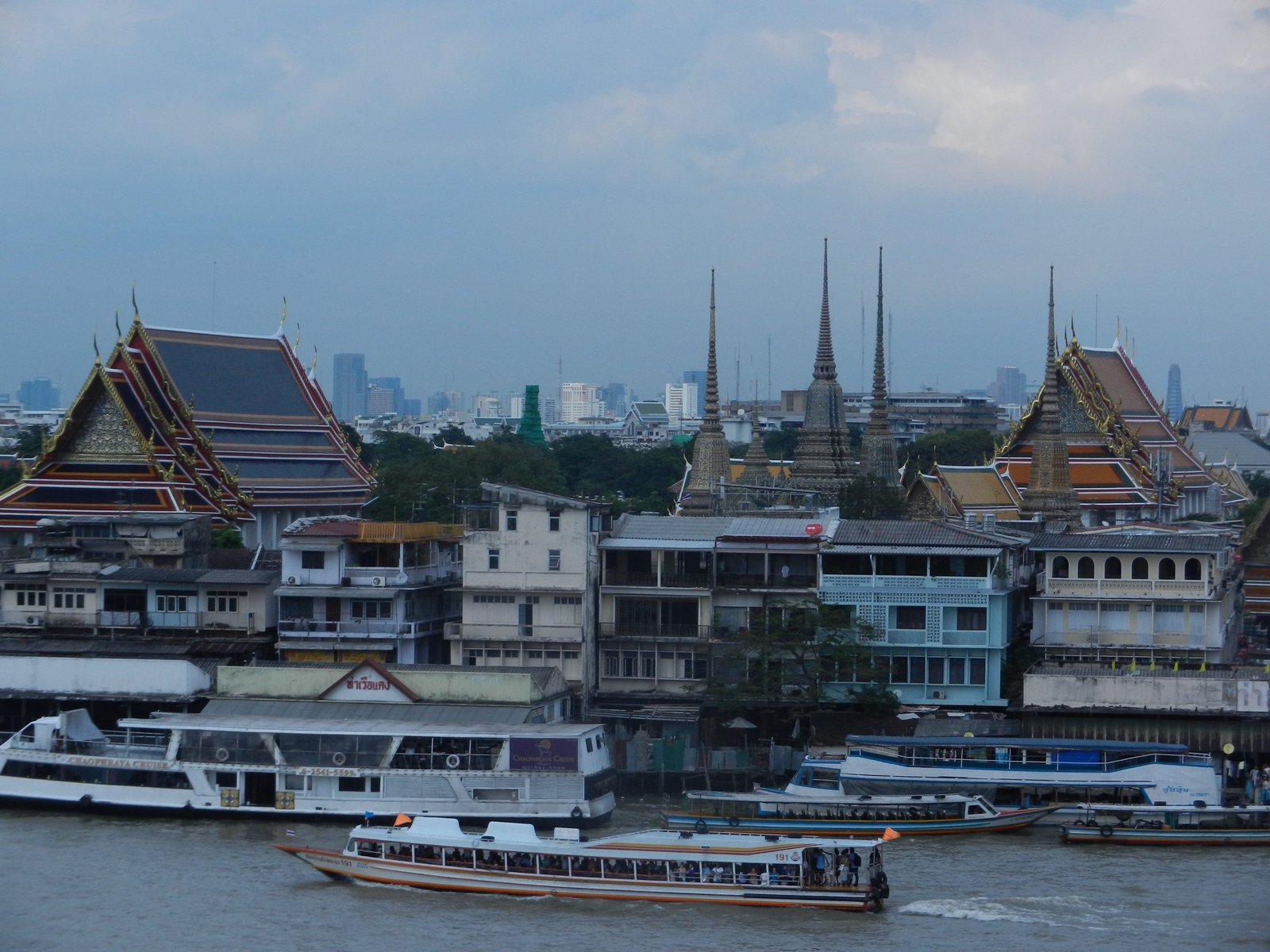
Many Worlds in a Place at Bangkok’s Wat Pho
Thais needed to rebuild their world after Burmese armies traumatized
Revolutionizing Perspective by Expanding from Looking At to Looking At/With/Beyond
During the Axial Age, in the mid-first millennium BCE, some
Today’s Potential for a New Axial Age
Some historians of thought have called it humanity’s most influential
From Truth to Expansion; Updating Basic Ideas
A recent article here began to explore ways that ideas
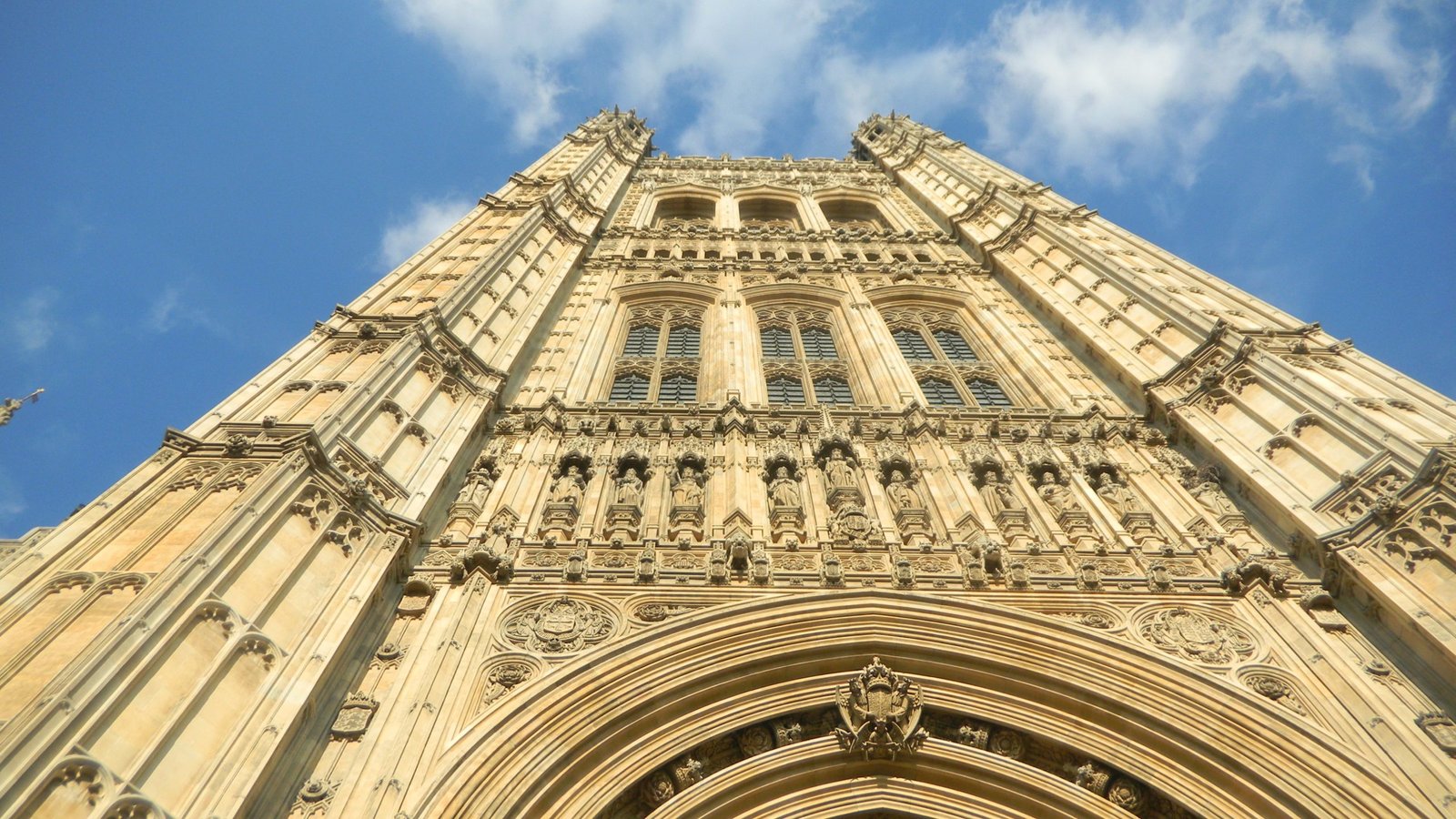
Truth and Culture; Updating Ideas of Truth
What is truth? A common theme in different definitions of
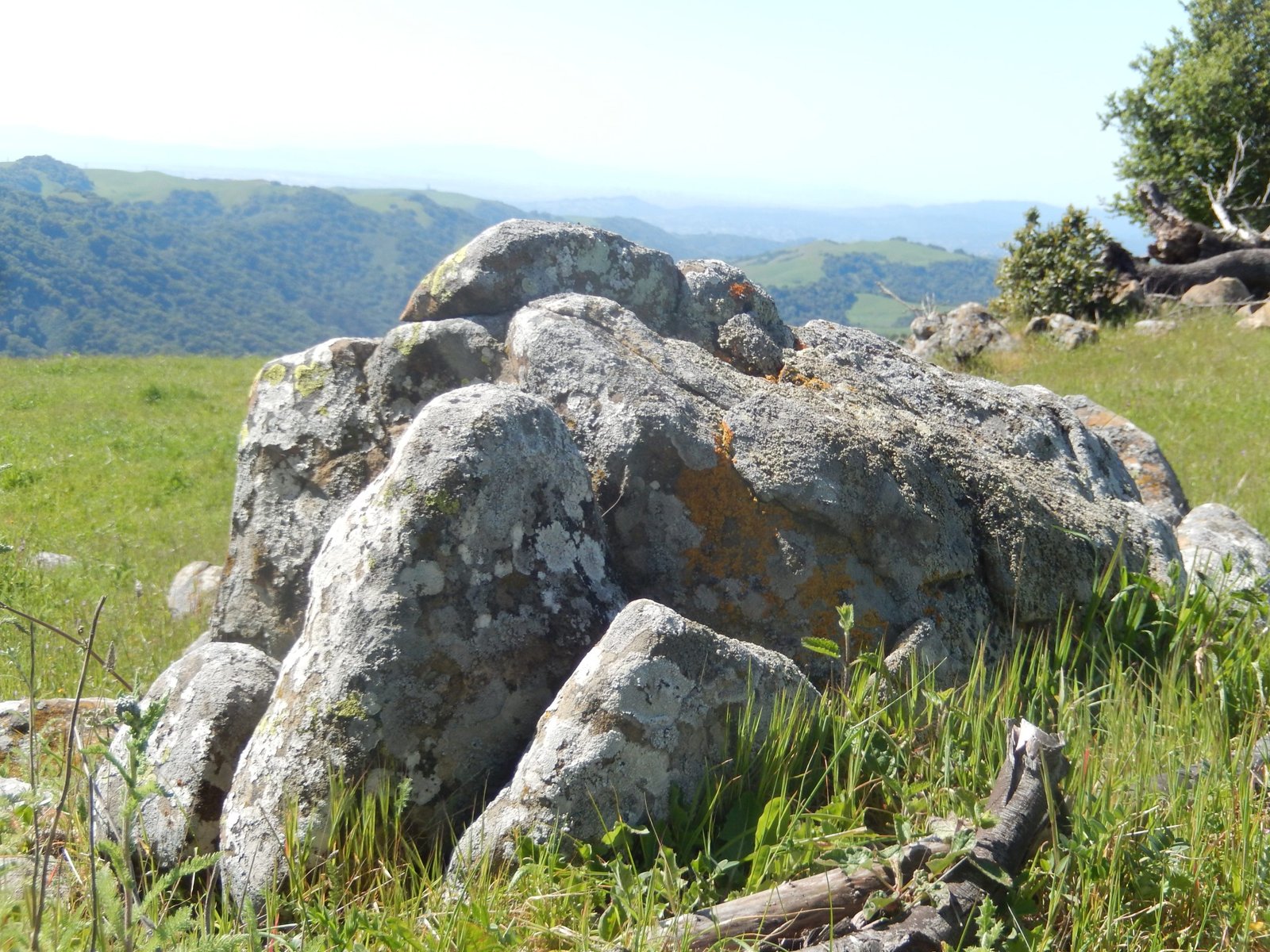
Stones and Abundance in Native American Cultures in California
The archaeologist Paul MacKendrick wrote a book about ancient Italy
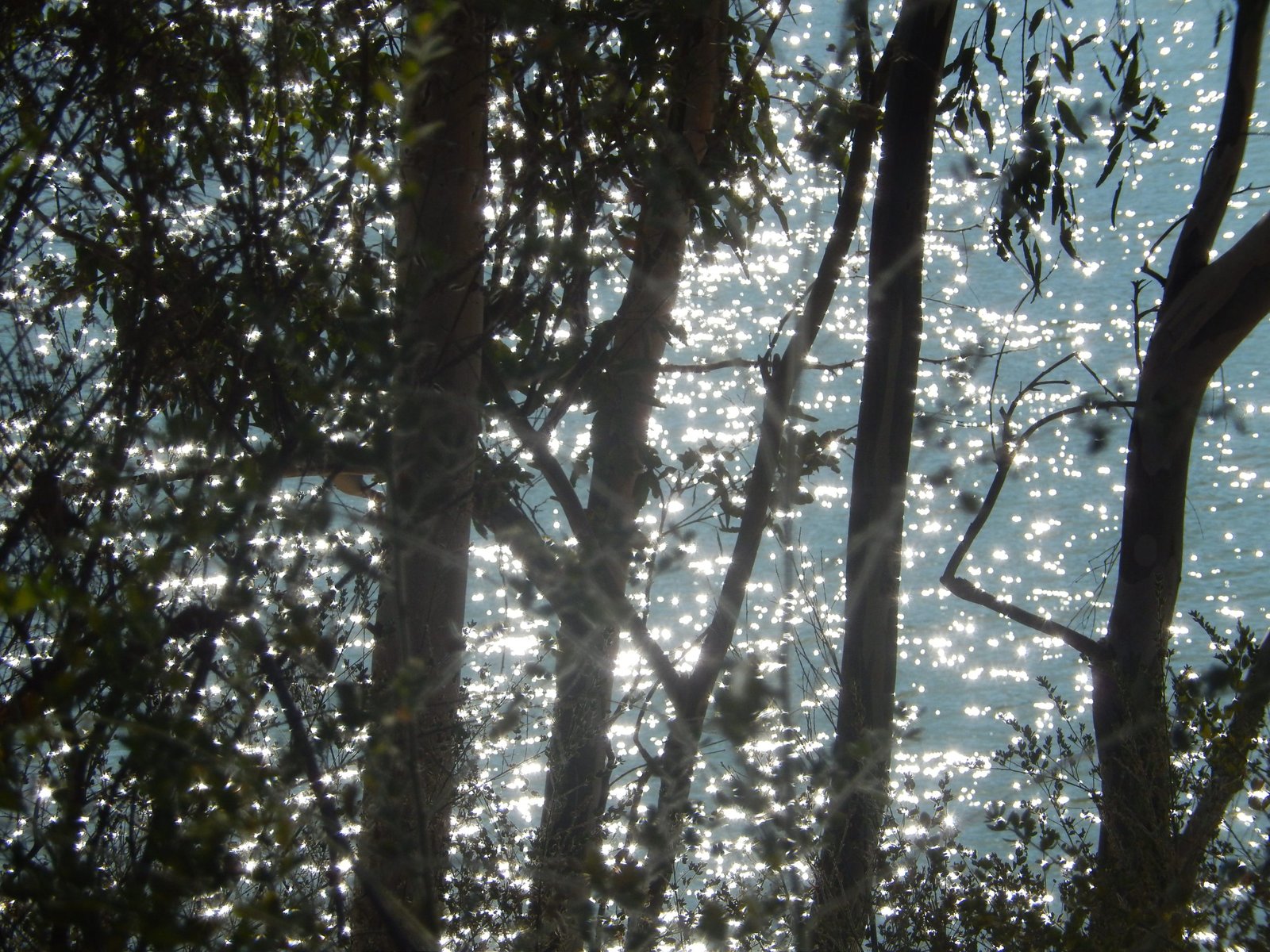
In Navajo Light; Different Cultures’ Concepts of Light and Creation
Different cultures develop fascinatingly diverse ideas about light. Some of
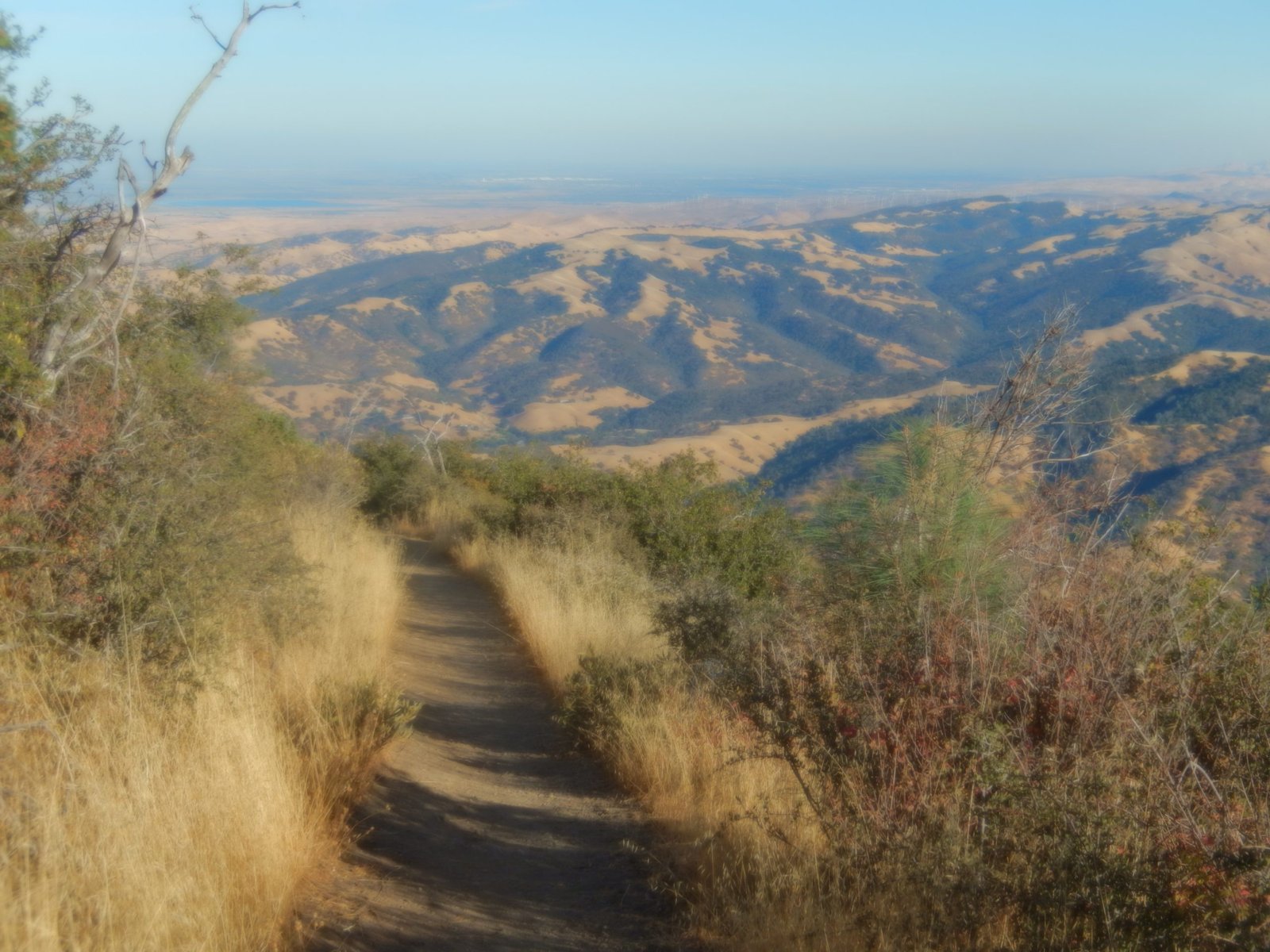
Hiking to the Heavens; Approaching Creation from Ohlone and Miwok Points of View
After exploring the Ohlone and Miwok worlds on Mt. Diablo’s
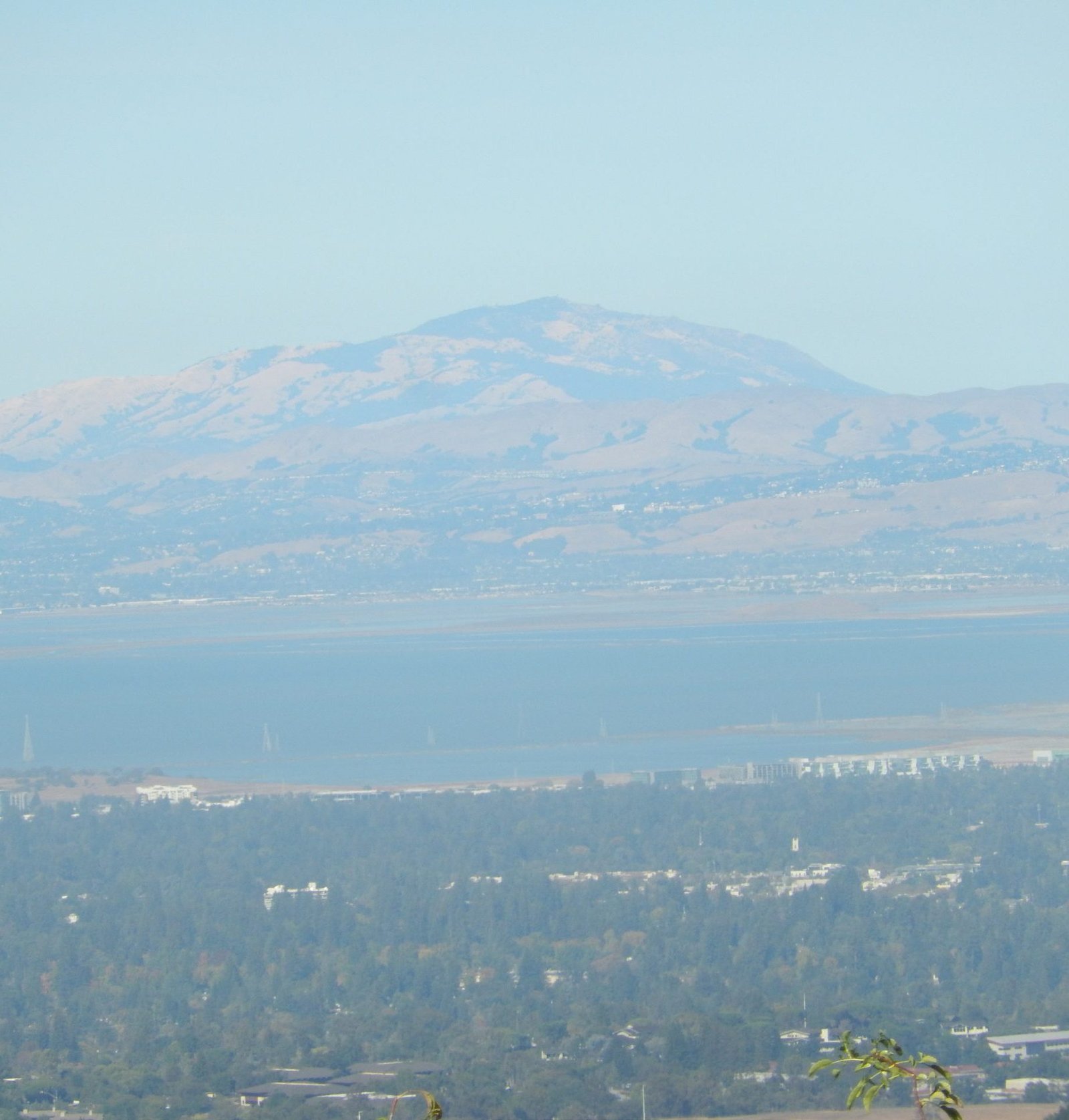
Hiking to the Center of the World; Ohlone and Miwok Indians in the San Francisco Bay Area
I hiked to Mt. Diablo’s summit two weeks ago, and
A Way to Overcome Biases in AI and Maintain Our Humanity
Salman Khan, in Brave New Words; How AI Will Revolutionize
From Information to Joy; Expanding Ideas of the Basis of Knowledge
Some technologists say that human cultures are increasingly being uploaded
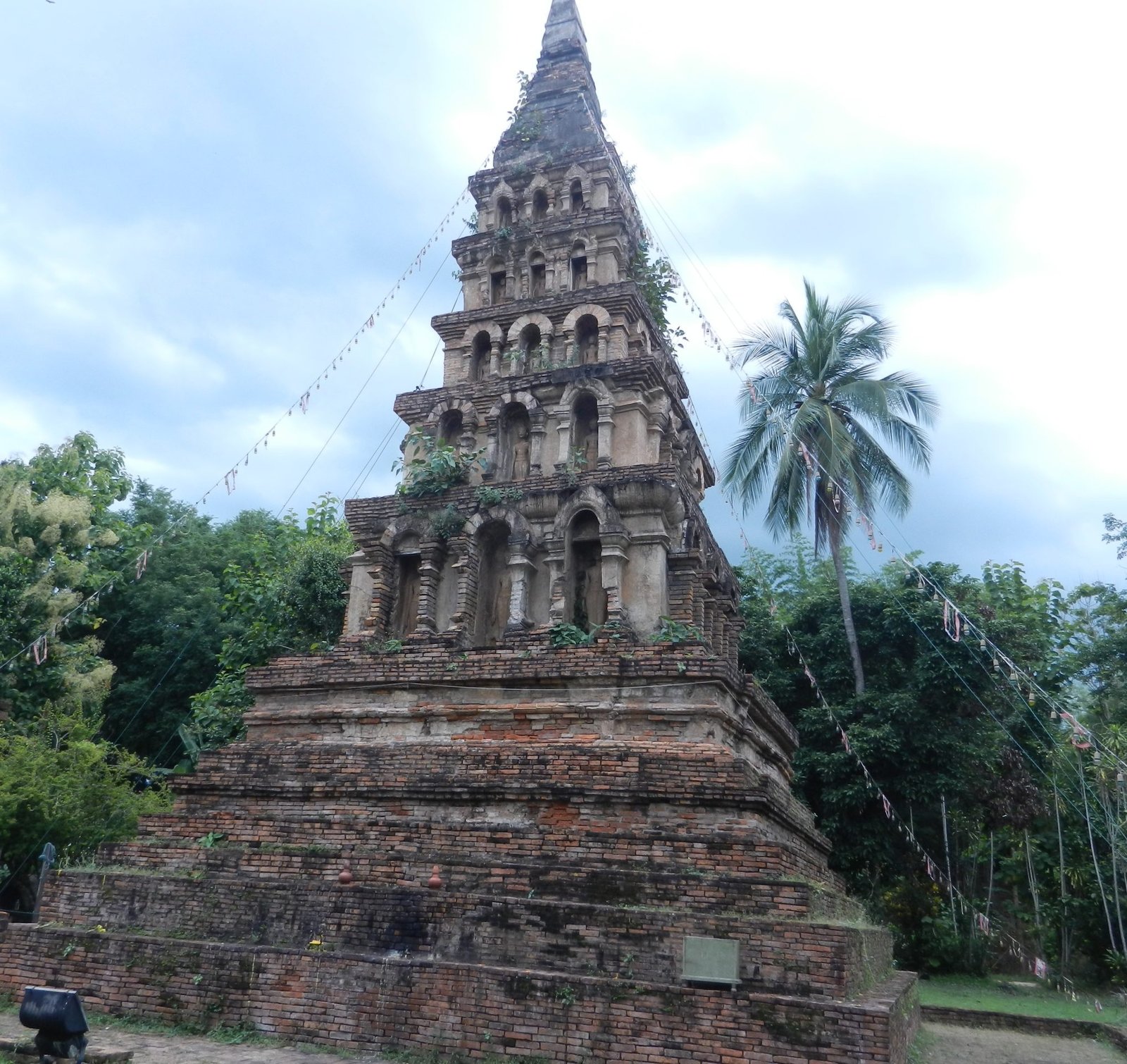
Why AI Doesn’t Reveal the Magic in Thai Temples
While artists in Florence developed three-dimensional perspective and France’s
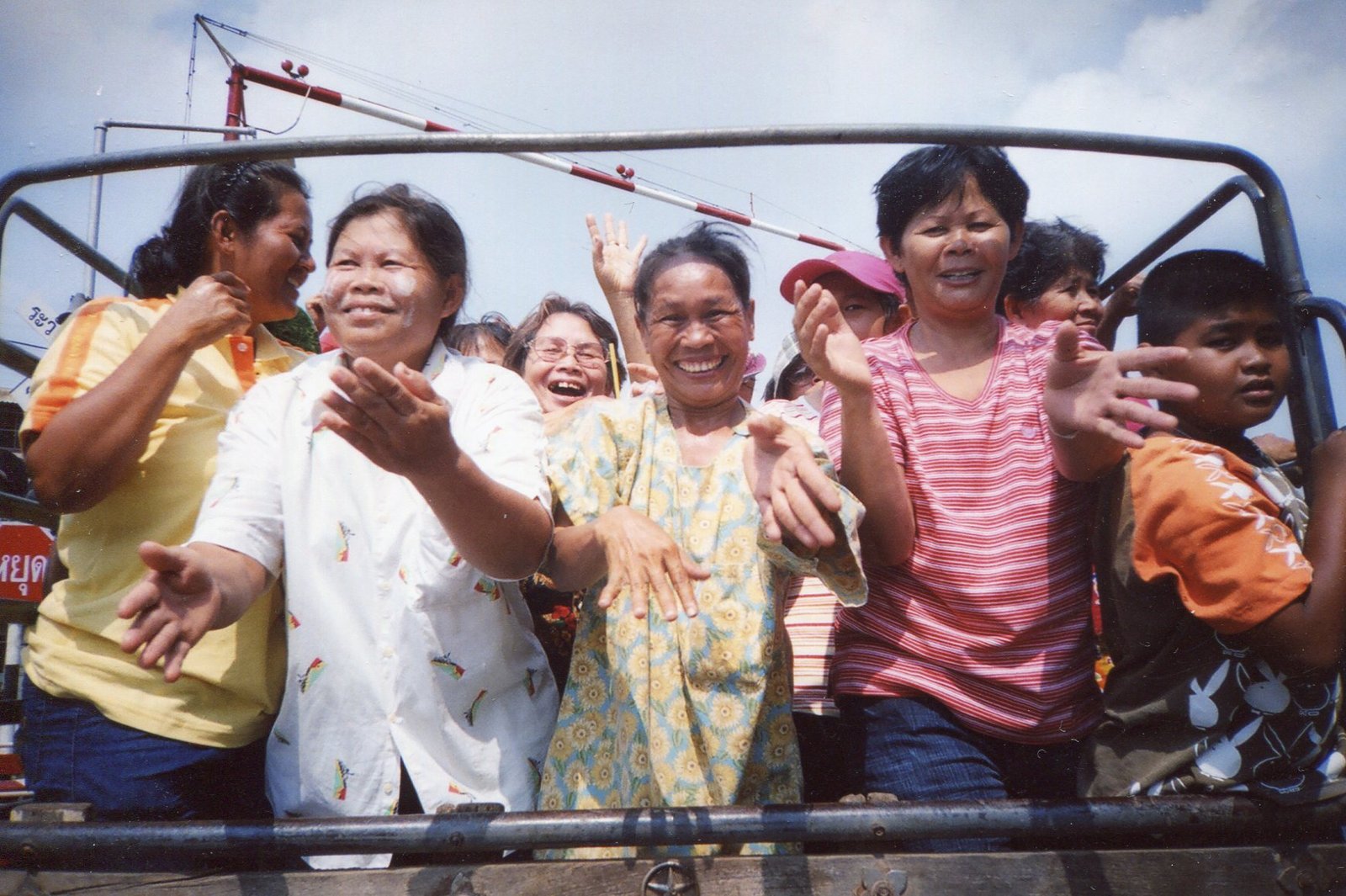
Looking At/With/Beyond to Have Peak Experiences
The psychologist Abraham Maslow made peak experiences his business, and
A Way to Overcome Biases in AI and Maintain Our Humanity
Salman Khan, in Brave New Words; How AI Will Revolutionize
Hiking to the Heavens; Approaching Creation from Ohlone and Miwok Points of View
After exploring the Ohlone and Miwok worlds on Mt. Diablo’s
Hiking to the Center of the World; Ohlone and Miwok Indians in the San Francisco Bay Area
I hiked to Mt. Diablo’s summit two weeks ago, and